


Press Fit Tool: Revolutionizing the Precision Engineering Process
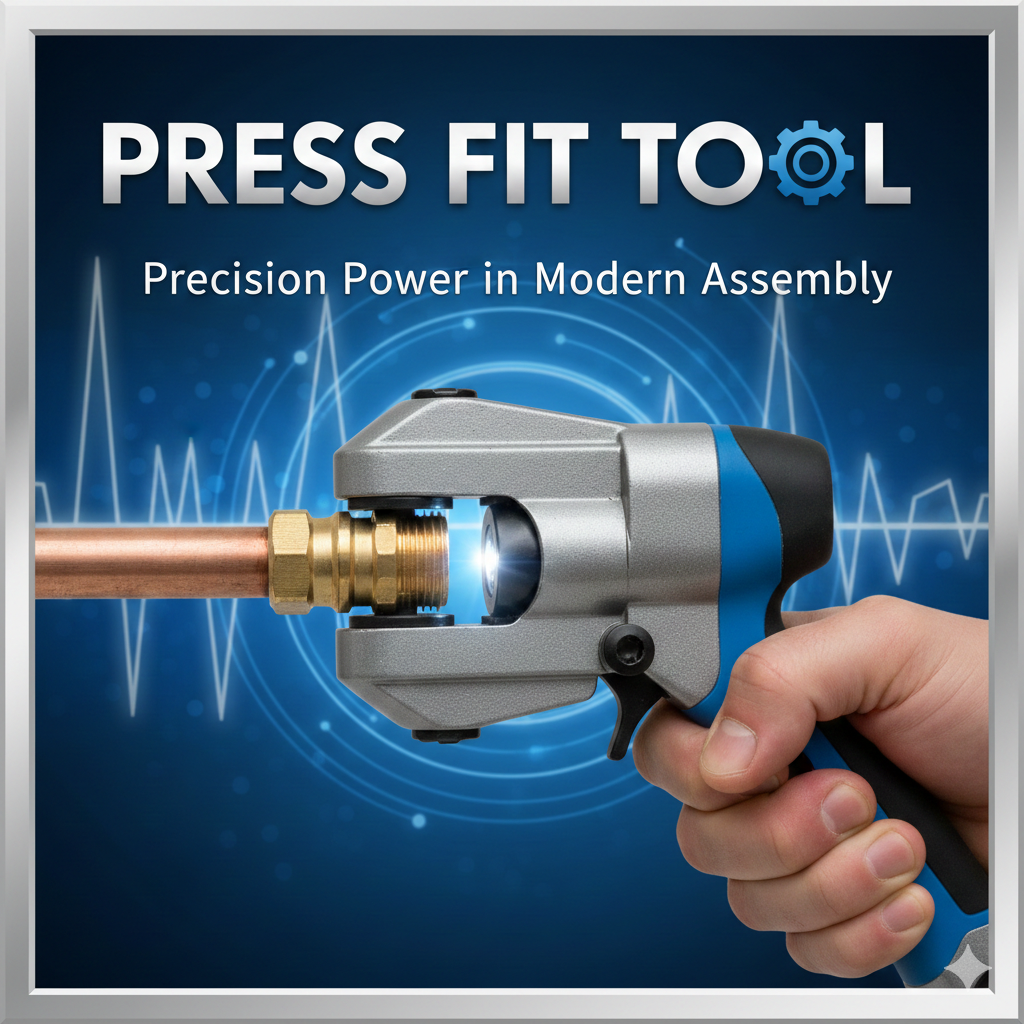
In the world of modern manufacturing and precision engineering, the ability to assemble components quickly, efficiently, and with a high degree of accuracy is essential. One tool that has become a vital part of this process is the press fit tool. This tool, often used in industries such as automotive, electronics, and construction, ensures that parts are securely joined without the need for additional fasteners like bolts or screws. The press fit process allows for tight, durable connections, enhancing product longevity and functionality. Let's dive into the key aspects of a press fit tool, how it works, and why it's so crucial in various industries.
What is a Press Fit Tool?
A press fit tool is a specialized piece of equipment designed to facilitate the press fit process, a method of joining two parts by using force to press one component into a slightly smaller hole in another component. The resulting interference fit provides a strong bond between the two parts, which remains secure without the need for adhesives, welding, or screws. Press fitting is often used for assembling parts like bearings, bushings, shafts, and gears, particularly where precision and tight tolerances are required.
The press fit tool typically involves a press machine that applies consistent, controlled pressure to insert the part into the other component. It might also include fixtures, dies, or tooling designed to accommodate specific parts and ensure alignment during the process.
How Does the Press Fit Process Work?
The press fit process involves several key steps:
-
Component Preparation: Both components to be joined (e.g., a bearing and its housing) are carefully prepared to ensure they are clean and free from any contaminants that might affect the fit. The parts are typically designed with slightly different diameters to create an interference fit, where the inner part is slightly larger than the hole in the outer component.
-
Positioning the Parts: The parts are placed into the press machine. The inner component is positioned to be inserted into the hole of the outer component. The press fit tool ensures the alignment is precise and that the parts will be pressed together without causing any damage or misalignment.
-
Applying Pressure: The press tool applies a controlled amount of pressure to insert the inner component into the outer component. This pressure forces the components to bond securely, creating a tight fit without the need for additional fasteners.
-
Final Check: Once the press fitting process is complete, the assembly is inspected to ensure the parts are securely joined and meet the required specifications for strength and tolerance.
Types of Press Fit Tools
There are several different types of press fit tools, each designed to accommodate specific applications and parts. Some of the most common types include:
-
Manual Press Fit Tools: These are operated by hand and are suitable for small-scale production or repairs. Manual press tools are simple, cost-effective solutions for press fitting tasks that do not require heavy automation.
-
Hydraulic Press Fit Tools: Hydraulic presses use fluid pressure to generate a powerful force for press fitting. These are ideal for high-volume or high-force applications, as they can apply much greater pressure than manual tools. Hydraulic press tools are commonly used in industries like automotive and aerospace.
-
Pneumatic Press Fit Tools: Pneumatic tools use compressed air to create the pressure required for press fitting. They are typically faster than hydraulic presses and are suitable for medium to high-volume production.
-
Electric Press Fit Tools: Electric press tools combine the speed of pneumatic presses with the precision and control of electric motors. These tools are often used in automated systems and provide consistent and reliable force application.
-
Rotary Press Fit Tools: For certain applications, a rotary motion is necessary to press parts together. Rotary press tools are used in processes where the parts need to be rotated while being pressed into place, such as in the assembly of gears and shafts.
Benefits of Using a Press Fit Tool
-
Precision and Accuracy: Press fit tools are designed to apply uniform pressure to ensure that parts are assembled with a high degree of accuracy. This helps maintain tight tolerances and ensures that parts fit together properly, reducing the risk of defects.
-
No Need for Additional Fasteners: Unlike traditional methods that rely on screws, bolts, or adhesives, press fitting provides a strong, durable bond without the need for additional materials. This not only simplifies the assembly process but also reduces the potential for failure over time.
-
Time and Cost Efficiency: The press fit process is often faster than other assembly methods, such as welding or fastening, which require additional steps and materials. By streamlining the assembly process, manufacturers can reduce production times and costs.
-
Strong and Secure Connections: Press fits provide a reliable, strong connection that is resistant to vibrations, shocks, and thermal expansion. This makes press fit joints ideal for high-performance applications where stability and durability are critical.
-
Minimal Damage to Components: Since the press fit process is controlled and the parts are carefully aligned, the risk of damaging the components during assembly is minimized. This is particularly important when working with delicate or high-precision parts, such as bearings or electrical components.
Applications of Press Fit Tools
Press fit tools are widely used across various industries, including:
-
Automotive Industry: In automotive manufacturing, press fit tools are used to assemble components like bearings, bushings, and gears, ensuring that critical parts are securely joined and can withstand the stresses of engine operation.
-
Electronics: Press fit connectors are commonly used in the electronics industry, where they provide a reliable and efficient way to connect components like circuit boards and connectors without the need for soldering.
-
Aerospace: The aerospace industry relies on press fit tools for assembling precision components such as turbine blades, bearings, and housings. The high-performance demands of this industry require joints that can handle extreme conditions, and press fitting provides a strong solution.
-
Construction and Heavy Machinery: Press fit tools are also used in construction and heavy machinery to assemble parts like gears, bushings, and shafts. These components must be securely joined to ensure the machinery operates smoothly and reliably under demanding conditions.
-
Medical Devices: In medical device manufacturing, press fit tools are used to assemble components that need to be sterile, secure, and precise. This is particularly important in devices like implants or surgical tools.
Challenges and Considerations
While the press fit process offers numerous benefits, it also comes with certain challenges that must be addressed. One of the key concerns is ensuring that the right amount of pressure is applied during the fitting process. Too much pressure can damage the components, while too little pressure may result in a weak connection. It is essential to use the appropriate press fit tool for the specific materials and components being used.
Additionally, the press fit process may require specialized tooling for certain applications. This means that manufacturers may need to invest in custom dies, fixtures, or press tools to handle unique components or high-precision parts.
Conclusion
Press fit tools have revolutionized the way many industries approach assembly processes, offering a cost-effective, efficient, and reliable method for joining components without the need for fasteners or adhesives. By ensuring strong, precise, and durable connections, these tools play a crucial role in fields ranging from automotive and electronics to aerospace and medical device manufacturing. As technology continues to advance, the capabilities of press fit tools will only improve, offering even greater efficiency and precision in the assembly process.

