


How Much Space Between a Kitchen Island and the Counter: Expert Advice from The Kitchen Consultants
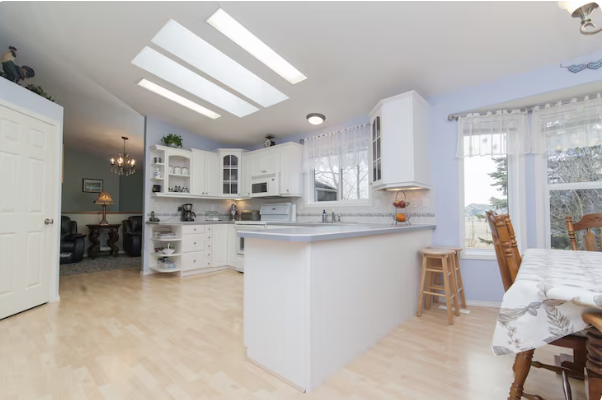
Designing a kitchen involves balancing style, functionality, and safety. One of the most critical aspects of kitchen layout is determining the appropriate space between a kitchen island and the surrounding counters. Too little space can make movement difficult, while too much space may break the kitchen’s workflow. Homeowners often ask, “How much space between a kitchen island and the counter is ideal?” To answer this question comprehensively, The Kitchen Consultants offer professional guidance that blends practical experience with design expertise.
Understanding the Importance of Space in Kitchen Layouts
A kitchen island can be a centerpiece, providing additional counter space, storage, and sometimes seating. However, its placement requires careful planning. The gap between the island and counters affects not only movement but also the kitchen’s efficiency. Without sufficient space, simple tasks like cooking, washing, and cleaning can become cumbersome. On the other hand, an overly spacious gap may make the kitchen feel disconnected and reduce the utility of the island.
According to The Kitchen Consultants, the ideal spacing depends on the kitchen’s size, layout, and how the space will be used. For example, in a kitchen with heavy foot traffic or multiple cooks, a larger gap ensures smooth movement and reduces congestion. Conversely, in smaller kitchens, space may need to be more limited, but still functional.
Recommended Space Guidelines
The standard recommendation from design experts, including The Kitchen Consultants, is to maintain 36 to 48 inches of clearance between a kitchen island and the surrounding counters. This range accommodates most kitchens and ensures comfortable movement for one or two people working simultaneously. Here’s a breakdown of spacing considerations:
- Single-Cook Kitchens: For kitchens primarily used by one person at a time, a clearance of 36 inches is usually sufficient. This provides enough room to open cabinets, appliances, and move freely without feeling cramped.
- Multiple-Cook Kitchens: In households where two or more people cook at the same time, a wider clearance of 42 to 48 inches is recommended. This allows individuals to pass behind or around each other safely and ensures that all kitchen tasks can be performed efficiently.
- Kitchen with Seating: If your island includes seating, additional space is needed to allow chairs or stools to be pulled out without obstructing movement. The Kitchen Consultants advise an extra 12 to 18 inches beyond the standard clearance to accommodate dining space comfortably.
Functional Benefits of Proper Spacing
Proper space between a kitchen island and the counters offers several functional benefits:
- Improved Workflow: Adequate spacing allows for efficient movement between the sink, stove, and refrigerator—commonly referred to as the “kitchen work triangle.”
- Enhanced Safety: Wider gaps reduce the risk of accidents, such as bumping into corners or appliances, particularly when handling hot items or sharp utensils.
- Ease of Cleaning: Proper clearance ensures that floors around the island and counters can be cleaned easily, maintaining hygiene in a high-use area.
- Flexibility: Adequate space provides flexibility for temporary tasks like placing a large tray, adding a portable prep table, or accommodating guests.
Design Tips from The Kitchen Consultants
While spacing is crucial, design elements also play a significant role in creating a functional and visually appealing kitchen. The Kitchen Consultants provide the following tips:
- Measure Twice, Plan Once: Before installing an island, measure the total kitchen area and consider appliance swing, cabinet doors, and seating space. Use mock-ups or tape to visualize the gap.
- Consider the Island Shape: Rectangular islands generally require more clearance on the longer sides. Square or circular islands may need less, but the workflow should remain central.
- Integrate Storage and Appliances: Some islands include cabinets, drawers, or appliances like a dishwasher or microwave. Ensure that doors can open fully without interfering with the surrounding counters.
- Lighting and Visual Space: Sufficient space enhances the sense of openness. Combine functional spacing with proper lighting to create a bright, inviting kitchen.
Customizing Space for Your Lifestyle
Every kitchen is unique, and spacing should be tailored to your household’s specific needs. The Kitchen Consultants emphasize the importance of considering how you use your kitchen:
- Family Kitchens: If multiple family members cook or gather in the kitchen, prioritize wider spacing to avoid congestion.
- Entertaining Spaces: For kitchens that double as social hubs, wider aisles allow guests to move freely while keeping the cooking area functional.
- Compact Kitchens: Even in smaller kitchens, aim for at least 36 inches of clearance to maintain safety and workflow efficiency.
Avoiding Common Mistakes
Many homeowners underestimate the impact of spacing. Common mistakes include:
- Too Narrow Gaps: Installing an island with less than 36 inches of clearance can lead to cramped workspaces, difficulty opening cabinet doors, and restricted movement.
- Ignoring Appliance Clearance: Always account for appliances such as ovens, refrigerators, and dishwashers. Doors need space to open fully without hitting the island.
- Neglecting Seating Needs: When adding bar stools or seating, failing to plan extra clearance can make the area uncomfortable for diners.
The Kitchen Consultants note that these mistakes can often be avoided with careful planning, mock layouts, and considering future needs.
The Role of Professional Guidance
While guidelines provide a helpful starting point, consulting with a professional can ensure optimal results. The Kitchen Consultants specialize in creating custom kitchen layouts that maximize space, efficiency, and aesthetics. They analyze traffic flow, appliance placement, and household habits to recommend the perfect gap between the kitchen island and counters. This tailored approach prevents costly mistakes and ensures a kitchen that functions seamlessly for years to come.
Conclusion
Determining how much space between a kitchen island and the counter is essential for functionality, safety, and overall kitchen design. Following standard recommendations of 36 to 48 inches, considering appliance and seating needs, and consulting with experts like The Kitchen Consultants can transform your kitchen into an efficient, comfortable, and stylish space. Proper planning ensures that your kitchen island enhances both the workflow and the aesthetic appeal of the room, creating a welcoming environment for cooking, dining, and socializing.
When in doubt, professional guidance is invaluable. The Kitchen Consultants combine experience with personalized solutions to help homeowners design kitchens that meet their specific needs, ensuring that your island is both beautiful and practical. By carefully considering spacing, layout, and lifestyle requirements, you can create a kitchen that truly becomes the heart of your home.

