


Why Your Next Pair of Sneakers Should Be On Cloud Shoes
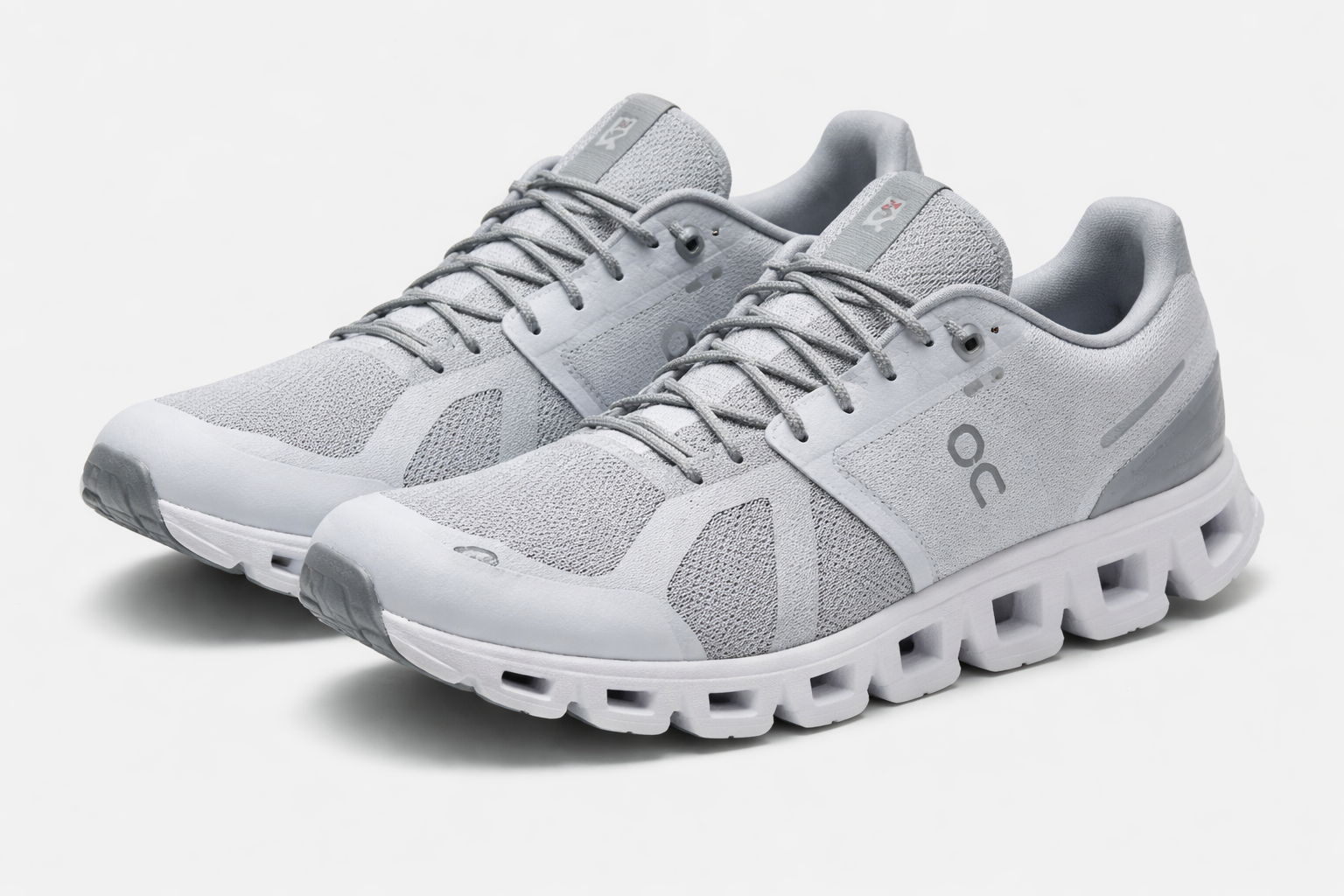
You’ve seen them at the airport. You’ve spotted them at the gym. You’ve probably even noticed a few people wearing them to brunch or while walking their dogs. They are the Swiss-engineered sneakers that look less like traditional running shoes and more like the treads of a tiny tank.
I am talking, of course, about on cloud shoes.
For a long time, I was skeptical. I figured the strange, segmented sole was just a gimmick to get people to look down at their feet. But after logging over 200 miles in a pair of the Cloudstratus 3s, I finally get it. This isn’t just marketing hype. There is a genuine reason why these specific sneakers have developed a cult following, and why the term on clouds is now used in the same breath as comfort legends like Nike Air or Adidas Ultraboost.
Let’s break down the science, the feel, and the reality of living in these sneakers every single day.
The “Holes” Actually Work (Here’s How)
At first glance, the design looks fragile. The sole is made up of a series of hollowed-out pods that look like they would collect every pebble on the sidewalk. But this is actually the genius of the design.
The technology is called "CloudTec." When your heel strikes the ground, those individual pods collapse horizontally, absorbing the impact of your step. This gives you a soft landing. But here is the kicker—when you push off to take the next step, those same pods snap back into their original shape, turning that stored energy into forward momentum.
Most running shoes force you to choose between soft (which feels mushy) or firm (which feels fast). On cloud shoes are trying to give you both. You get the sensation of walking on a forgiving surface—yes, like on clouds—but without the feeling that you are sinking into quicksand.
Are On Clouds Actually Good for Standing All Day?
If you work on your feet—nurses, teachers, retail workers, I’m looking at you—you need to know if these hold up for a 10-hour shift.
The short answer is yes, but with a caveat.
Because of the firm rebound I mentioned earlier, onclouds provide a level of support that soft foam shoes (like Hoka or ultra-squishy Nikes) sometimes lack. When you stand on soft foam for eight hours, your stabilizer muscles get tired because they are constantly fighting to keep you upright on an unstable surface. The CloudTec pods are firm enough to give you a solid platform.
However, not all on Cloud models are created equal. If you are shopping specifically for standing or walking, avoid the "Cloudswift" if you have wide feet (they run narrow). Instead, look for the "Cloudmonster" or "Cloudstratus." These offer a wider base and more cushioning under the heel. Once you break them in, you will notice less fatigue in your lower back compared to cheaper sneakers.
The “Zero Gravity” Step vs. Reality
Let’s manage expectations. On Cloud marketing often uses phrases like "running on clouds" or "zero gravity." Is it actually that magical?
Honestly? Almost.
The first time you put them on, you will notice one thing immediately: weight. Or rather, the lack of it. These are some of the lightest performance shoes on the market. You forget you are wearing them. The "cloud" feeling comes mostly from how easy it is to transition from heel to toe. There is no clunky heel drag.
But they are not pillows. If you love the sensation of walking on a memory foam mattress, you might find on clouds a little firm out of the box. They need about 15 to 20 miles of walking to break in. Once the pods loosen up, that is when the magic happens.
The Downsides Nobody Talks About
I promised an honest review, so let’s do the negatives.
1. The Pebble Problem
Because of the hollow pods, small rocks (and sometimes gravel) will get lodged in the tread. It is inevitable. You will be walking through a parking lot, hear a "click... click... click," and have to stop to dig a stone out of your shoe. If you hike on loose trails, these are not your shoe.
2. The Durability of the Sole
While the upper mesh is surprisingly durable, the exposed foam in the pods can wear down if you drag your feet. If you have a heavy heel strike and a shuffling gait, you will chew through the bottom of these in six months.
3. The Comfort Ceiling
If you weigh over 220 pounds, some users report that the pods bottom out (flatten completely) under their weight, diminishing the "floating" sensation. Heavier runners tend to prefer the "Cloudmonster" specifically, as it has larger pods designed for more compression.
Which Model Should You Actually Buy?
Don't just buy any pair. The entry-level On Cloud (the classic "Cloud") is great for casual walking and errands, but it lacks support for serious exercise.
-
For Running: Buy the Cloudstratus. It has dual-layer CloudTec for maximum energy return.
-
For Walking/Work: Buy the Cloudnova. It has a zip tongue and a more streetwear-friendly silhouette.
-
For Wide Feet: Buy the Cloudmonster. It is the roomiest and most plush.
-
For the Gym (Lifting): Buy the Cloud X. It has a lower profile and better ground feel for squats and lunges.
Final Verdict – Hype or Heaven?
I am keeping my pair. After fighting through the 20-hour break-in period and accepting that I will occasionally have to flick a pebble out of the sole, I cannot go back to my old Nikes.
The hype around on clouds is justified, but only if you buy the right model for your foot shape. They are not the softest shoe on earth, but they are the most responsive shoe on earth. They make walking feel less like a chore and more like a glide.
If you want a shoe that looks clean with jeans, handles a 5k run on a whim, and keeps your knees from aching at the end of the day, pull the trigger. Just maybe avoid the gravel paths.
Have you tried On Cloud shoes? Or are you still picking stones out of the tread? Let me know in the comments.

