


Can Cold Peeling Help with Sun Damage?
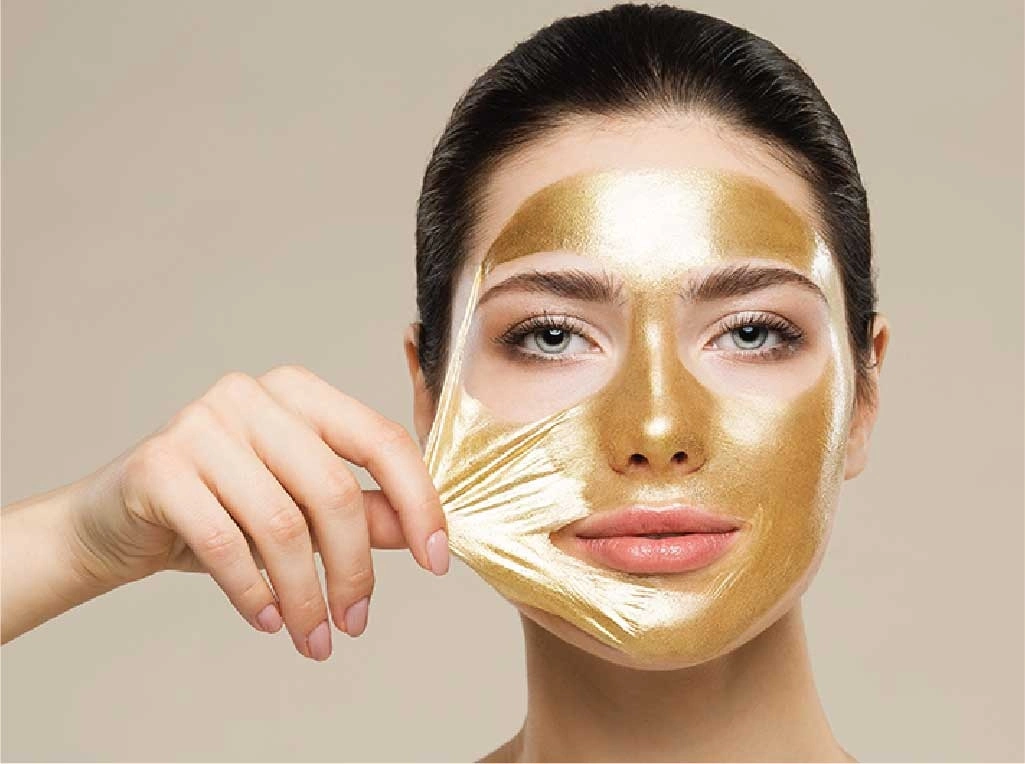
Sun exposure can lead to various skin issues, including uneven tone, pigmentation, rough texture, and premature aging. Many individuals are turning to Cold Peeling as a gentle yet effective treatment to address sun-damaged skin without the harsh effects of traditional chemical peels. By promoting exfoliation, supporting the skin barrier, and encouraging cellular renewal, cold peeling can improve the appearance of sun-exposed skin while minimizing irritation. Understanding its benefits and limitations can help individuals make informed decisions about incorporating it into their skincare routines.
What Is Cold Peeling and How It Works:
Cold peeling is a non-invasive exfoliation method that uses mild acids combined with soothing and hydrating agents to gently remove dead skin cells. Unlike aggressive chemical peels, cold peeling minimizes redness and irritation while promoting gradual skin renewal. Key benefits for sun-damaged skin include:
-
Smoothing rough and uneven texture caused by prolonged sun exposure
-
Reducing the appearance of minor pigmentation and sun spots
-
Supporting hydration and restoring the skin barrier
-
Enhancing the absorption of serums and moisturizers
Its controlled, gentle approach makes it suitable for individuals with sensitive or reactive skin while improving overall skin health.
How Sun Damage Affects the Skin:
Sun exposure can lead to both visible and underlying damage, affecting the skin’s texture and tone. Common effects include:
-
Hyperpigmentation, including sun spots and uneven tone
-
Rough or flaky skin due to UV-induced dryness
-
Loss of elasticity leading to fine lines and wrinkles
-
Compromised barrier function, making skin more sensitive and reactive
By addressing these issues, cold peeling helps mitigate the visual and structural effects of sun damage over time.
Cold Peeling and Pigmentation Reduction:
One of the most noticeable effects of sun damage is uneven pigmentation. Cold peeling can help reduce discoloration through:
-
Gentle exfoliation that removes surface dead cells and sun-damaged layers
-
Gradual fading of superficial pigmentation and sun spots
-
Support for more even skin tone without harsh irritation
-
Enhanced penetration of brightening serums and skin-repair ingredients
While cold peeling is effective for minor pigmentation, deeper sun-induced discoloration may require additional treatments for optimal results.
Improving Skin Texture After Sun Exposure:
Sun damage often results in rough, uneven skin. Cold peeling addresses texture issues by:
-
Removing dry, flaky layers to reveal smoother skin underneath
-
Stimulating cellular turnover for gradual refinement
-
Reducing the visibility of fine lines caused by UV exposure
-
Enhancing the efficacy of moisturizers and hydrating treatments
Regular cold peeling sessions help restore soft, even, and healthy-looking skin.
Supporting Skin Barrier Function:
UV exposure can weaken the skin barrier, increasing sensitivity and dryness. Cold peeling supports barrier health through:
-
Hydrating ingredients that replenish moisture lost due to sun damage
-
Soothing agents that calm inflammation and reduce redness
-
Gentle exfoliation that does not compromise natural oils
-
Preparation of the skin for optimal absorption of barrier-strengthening products
Maintaining a strong barrier is essential for protecting against future sun damage and irritation.
Benefits for Sensitive or Reactive Skin:
Sun-damaged skin is often more reactive and prone to irritation. Cold peeling offers a safe alternative to traditional peels for sensitive skin by:
-
Minimizing redness, stinging, or discomfort during treatment
-
Providing gradual improvements rather than aggressive exfoliation
-
Supporting skin hydration and barrier repair
-
Allowing integration with other protective or restorative skincare routines
This makes cold peeling suitable for individuals who need gentle care without sacrificing effectiveness.
Combining Cold Peeling With Other Treatments:
For more comprehensive care of sun-damaged skin, cold peeling can be combined with complementary treatments. Effective combinations include:
-
Hydrating facials or masks to restore moisture and improve barrier function
-
LED light therapy to reduce inflammation and enhance healing
-
Topical antioxidants like vitamin C to neutralize free radical damage
-
Consistent home-care routines with SPF and barrier-supporting products
These combinations enhance the overall effectiveness of cold peeling in repairing sun-damaged skin.
Frequency and Maintenance:
Achieving and maintaining improvements in sun-damaged skin requires regular treatments and consistent care. Recommended practices include:
-
Scheduling cold peeling sessions every 3–4 weeks depending on skin type and sensitivity
-
Following a home-care routine with hydration, barrier repair, and sun protection
-
Avoiding aggressive scrubs or chemical treatments immediately after peeling
-
Monitoring skin response and adjusting treatment frequency as needed
Consistency ensures cumulative benefits in texture, tone, and overall skin health.
Final Thoughts:
Cold peeling offers a gentle, effective approach to addressing the visible effects of sun damage, including uneven tone, rough texture, and minor pigmentation. By promoting exfoliation, supporting hydration, and strengthening the skin barrier, it helps restore healthier, smoother, and more radiant skin. When combined with proper aftercare, sun protection, and complementary treatments, Cold Peeling can become a key component in repairing and maintaining sun-damaged skin safely and effectively.

