


How to Layer a Canvas Vest for Cold Weather Riding
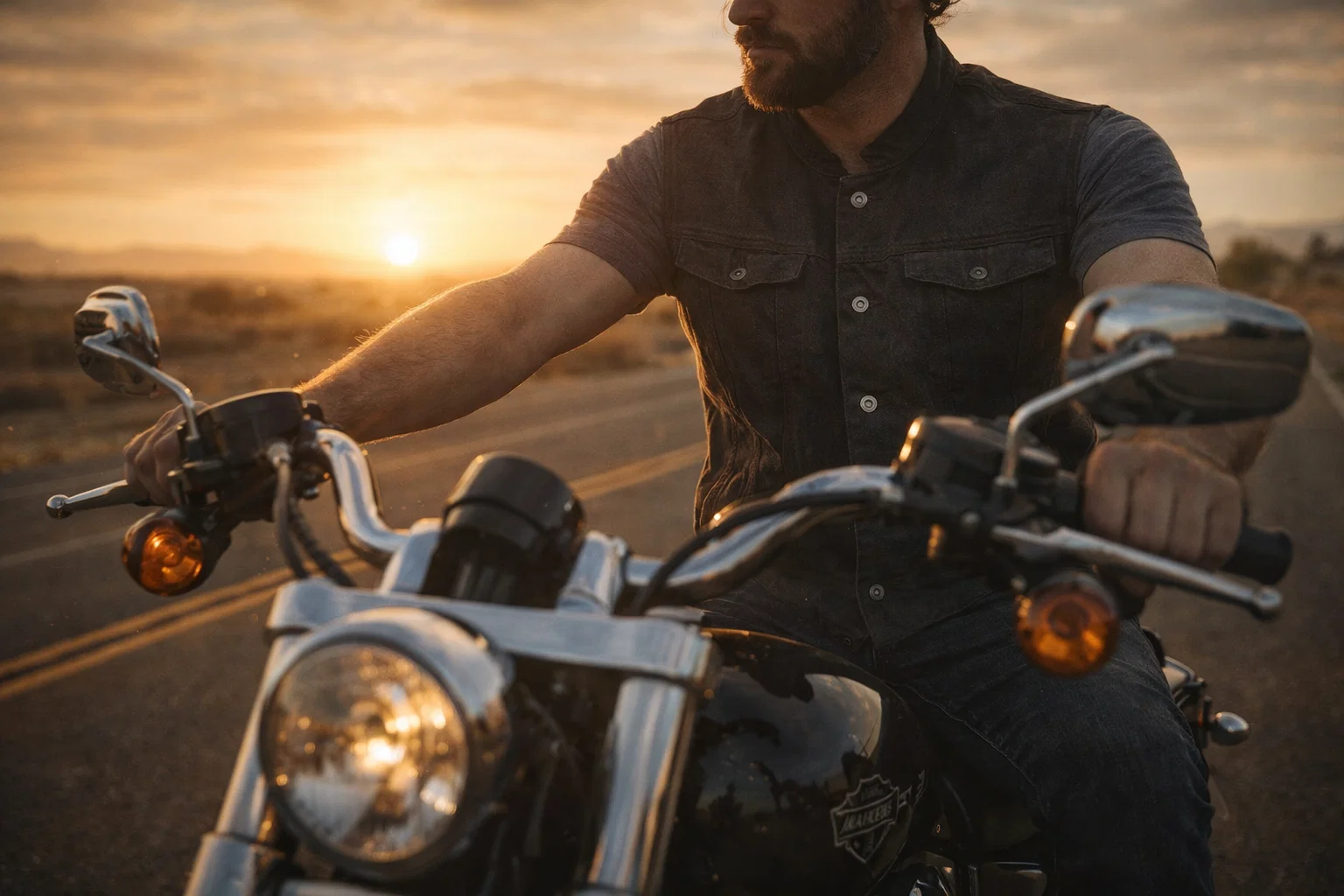
We have learned about cold weather layering the hard way. Three hours into a November ride, the temperature was dropping into the low 40s, and I was wearing a T-shirt under my premium men's canvas vest. By the time I reached the next town, my teeth were chattering so hard I could barely order coffee.
That ride taught me something valuable: a canvas vest works great in cold weather, but only if you layer it correctly. The vest itself doesn't generate warmth. It blocks wind and traps the heat your body creates, but you need the right layers underneath to make that system work.
After years of riding through fall and winter conditions, I've figured out exactly what works and what doesn't. Let's break down how to layer canvas vests for men so you stay warm without overheating or freezing.
Understanding the Three-Layer System
Cold weather layering isn't complicated. Three layers do specific jobs:
-
Base Layer: Sits against your skin, wicks moisture away, and provides the first level of insulation.
-
Mid Layer: Traps warm air, adds bulk insulation, and keeps heat close to your core.
-
Outer Layer: Your canvas vest blocks wind, keeps moisture out, holds everything together.
Each layer matters. Skip one, and the whole system falls apart. I've tried riding with just a hoodie under my vest. Didn't work. The wind cut right through. I've tried heavy base layers with no mid-layer. Got cold. All three layers working together? That's when you stay comfortable.
Base Layer: What Goes Against Your Skin
Material Matters
Forget cotton. Cotton holds moisture, and moisture makes you cold. When you're riding in 35-degree weather, sweat trapped against your skin will chill you fast.
Merino wool or synthetic moisture-wicking fabrics work. They pull sweat away from your body and dry quickly. I wear merino wool base layers from October through March. They regulate temperature better than anything else I've tried.
Fit and Coverage
Your base layer should fit snug but not tight. Long-sleeve crew neck or mock turtleneck. Full-length bottoms if you're layering pants too.
The neck coverage makes a bigger difference than you'd think. Cold air sneaking in at your collar ruins the whole layering system. A high neck on your base layer seals that gap.
Mid Layer: Where the Warmth Comes From
This is your insulation. The mid layer's job is trapping warm air close to your body.
Temperature Range 50°F to 60°F
Light fleece or a heavyweight long-sleeve shirt works here. Not too bulky, just enough to trap body heat with the canvas vest over top.
I wear a zip-up fleece in this temperature range. If I warm up, I can unzip it partway without stopping. Gives me temperature control on the move.
Temperature Range 35°F to 50°F
Heavier fleece, insulated hoodie, or a down vest under your canvas vest. You need more loft to trap heat when temperatures drop.
A lightweight canvas vest over a puffy down vest works better than you'd expect. The canvas blocks wind that would normally compress the down, letting the down do its job of trapping heat.
Temperature Range Below 35°F
Double up your mid layers. Fleece plus down vest, or insulated jacket under your canvas vest. Below freezing, you need serious insulation.
Some riders switch to full jackets at these temperatures. I still use my canvas vest when the ride is under two hours because layering underneath gives me more flexibility than a single heavy jacket.
Canvas Vest as Your Wind-Blocking Outer Layer
Your men's canvas vest serves one critical purpose in cold weather: wind protection.
Wind chill kills your warmth faster than anything else. At 60 mph, a 40-degree day feels like 20 degrees. Your canvas vest creates a barrier that stops wind from stripping heat away from your insulation layers.
Fit for Layering
Buy your canvas vest with layering in mind. If it fits perfectly over a T-shirt, it'll be too tight over a base layer, fleece, and down vest.
I wear a size larger than my normal chest measurement specifically for layering. Shoulders should still fit correctly, but there's room in the body for bulk underneath.
Features That Help
-
Adjustable side laces: Let you tighten or loosen the vest depending on how many layers you're wearing underneath.
-
High collar: Blocks wind at your neck and keeps cold air from getting inside.
-
Long back: Extends down to cover your lower back when you lean forward on the bike. Cold air hitting your kidneys makes the whole ride miserable.
-
Snap or zip closure: Full-front closure with no gaps. Overlapping snap plackets work better than exposed zippers for keeping wind out.
Concealed Carry Layering Considerations
If you're wearing a high quality concealed carry canvas vest, layering gets trickier. You need access to your CCW pocket without fighting through three layers of clothing.
Here's what works: wear your base and mid layers, then put on your concealed carry canvas vest as the outer layer. Your firearm sits in the vest pocket with nothing blocking access.
The challenge is printing. Heavy layers underneath can make your CCW pocket bulge more noticeably. Choose mid layers that compress well under the vest. Fleece works better than puffy insulation for this reason.
I carry in cold weather with a merino base layer and a thin fleece midlayer under my CCW vest. Can still draw quickly, and the outline doesn't print through the canvas.
What Doesn't Work (Lessons from Cold Rides)
-
Too Many Tight Layers: Four tight-fitting layers compress against each other and don't trap air. Fewer layers with proper loft work better.
-
Heavy Jacket Under Canvas Vest: Tried this thinking more insulation was better. Couldn't move my arms properly. Restricted mobility on a motorcycle is dangerous.
-
Cheap Synthetic Base Layers: They smell bad after one ride and don't wick moisture. Spend the money on wool or quality synthetics.
-
Ignoring Your Extremities: You can layer your torso perfectly and still freeze because your hands, feet, or head are cold. Insulated gloves, boots, and a balaclava under your helmet matter just as much as torso layering.
Practical Tips for Real Riding
-
Test Your Layers Before Long Rides: Take a 30-minute test ride in your layering setup. You'll figure out if you're too hot, too cold, or just right before you're committed to hours on the road.
-
Bring an Extra Layer: A packable down vest or fleece stuffs into a saddlebag and gives you options if the temperature drops more than forecast.
-
Layer Your Lower Body Too: Cold legs make the whole ride miserable. Long underwear under your jeans, or insulated riding pants. Your torso isn't the only thing that needs layering.
-
Stop and Adjust: Pull over every hour or so and check your layers. Too hot? Remove the mid layer and continue with just the base layer and vest. Too cold? Add what you brought in your bag.
-
Watch for Overheating: Layering for cold morning temperatures can leave you overheating by afternoon when the sun's out. Plan for temperature swings.
The Bottom Line on Cold Weather Canvas Vest Layering
Canvas vests for men work great for cold weather riding when you layer them right. The vest blocks wind, while proper base and mid layers provide insulation and moisture management.
Start with quality base layers, add insulation based on temperature, and let your canvas vest seal the system against wind. Test your setup, bring backup layers, and adjust as conditions change.
Layer smart, and your canvas vest will keep you riding comfortably well into winter.

