


Hair Transplant Side Effects: Risks, Recovery Issues, and What You Should Know
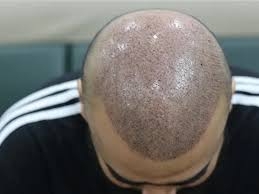
Hair transplant is one of the most effective and permanent solutions for hair loss. However, like any medical procedure, it may come with some temporary side effects. Understanding hair transplant side effects is important so patients can make informed decisions and know what to expect during recovery.
In this article, we will discuss common side effects, rare complications, recovery symptoms, and how to minimize risks after a hair transplant.
Are Hair Transplant Side Effects Common?
Yes, mild side effects are common after a hair transplant, especially in the first few days. Most of these effects are temporary and part of the natural healing process.
Modern techniques like FUE (Follicular Unit Extraction) have significantly reduced risks, making the procedure safer and less invasive than older methods.
Common Hair Transplant Side Effects
1. Swelling of the Scalp and Forehead
Swelling is one of the most common side effects after a hair transplant.
- Usually appears within 2–3 days
- May spread to the forehead or around the eyes
- Resolves within a few days
This happens due to fluid movement under the skin during the procedure.
2. Redness and Irritation
The treated area often appears red after surgery.
- More noticeable in fair skin types
- Gradually fades within 7–10 days
- Part of the natural healing response
3. Scabbing and Crusting
Small scabs form around the implanted grafts.
- Protects newly implanted follicles
- Falls off naturally within 7–14 days
- Should not be picked or scratched
4. Itching
Itching is a normal part of recovery.
- Occurs as the scalp heals
- Can be managed with prescribed medication
- Scratching should be avoided
5. Shock Loss (Temporary Shedding)
One of the most misunderstood side effects is shock loss.
- Transplanted hair sheds within 2–4 weeks
- This is temporary and expected
- New growth begins after a few months
Less Common Side Effects
While rare, some patients may experience:
1. Infection
Infection can occur if aftercare instructions are not followed properly.
- Symptoms include redness, pain, or pus
- Preventable with proper hygiene and medication
2. Folliculitis
This is inflammation of hair follicles.
- Appears as small pimples on the scalp
- Usually mild and treatable
3. Numbness
Some patients feel temporary numbness in the donor or recipient area.
- Caused by nerve sensitivity during healing
- Typically resolves within weeks
4. Uneven Hair Growth
In early stages, hair may grow unevenly.
- Becomes more natural over time
- Final results appear after 9–12 months
How Long Do Side Effects Last?
Most hair transplant side effects are short-term:
- Swelling: 2–5 days
- Redness: up to 10 days
- Scabs: 1–2 weeks
- Shedding phase: 2–4 weeks
- Full recovery: 6–12 months
Long-term complications are very rare when the procedure is done by an experienced surgeon.
Factors That Influence Side Effects
Several factors can affect the intensity of side effects:
1. Surgical Technique
FUE and DHI techniques cause fewer side effects compared to traditional methods.
2. Surgeon’s Experience
A skilled surgeon minimizes trauma to the scalp, reducing complications.
3. Number of Grafts
Larger sessions may lead to slightly more swelling or discomfort.
4. Patient Health
Healthy individuals tend to recover faster with fewer side effects.
5. Aftercare Compliance
Following post-procedure instructions is crucial for smooth healing.
How to Minimize Hair Transplant Side Effects
You can reduce side effects by following proper care:
Do’s:
- Take prescribed medications regularly
- Keep scalp clean as instructed
- Sleep with head elevated for first few days
- Stay hydrated and maintain a healthy diet
Don’ts:
- Do not scratch or pick scabs
- Avoid smoking and alcohol
- Avoid heavy exercise for 1–2 weeks
- Avoid direct sun exposure
Proper aftercare significantly improves healing and results.
Are Hair Transplant Side Effects Dangerous?
In most cases, no. Hair transplant side effects are mild, temporary, and manageable.
Serious complications are extremely rare and usually occur only when:
- The procedure is done by unqualified individuals
- Sterilization standards are not followed
- Aftercare instructions are ignored
Choosing a reputable clinic greatly reduces risks.
Final Thoughts
Hair transplant side effects are generally minor and temporary, especially with modern techniques like FUE and DHI. While swelling, redness, and shedding are common, they are all part of the natural healing process.
Understanding these side effects helps patients stay informed, reduce anxiety, and achieve better results. With proper care and an experienced surgeon, hair transplant is a safe and highly effective solution for long-term hair restoration.

