


The Foundational Structure and Socio-Economic Impact of the GCC Remittance Industry
The Gulf Cooperation Council (GCC) region stands as a global epicenter for cross-border financial flows, powered by one of the world's largest and most diverse expatriate populations. A detailed examination of the GCC Remittance industry reveals a sector of immense socio-economic importance, acting as a critical financial artery connecting the labor-importing economies of the Gulf with the labor-exporting nations of South Asia, Southeast Asia, Africa, and the wider Middle East. This industry is fundamentally about the transfer of funds by foreign workers back to their home countries. However, its impact extends far beyond a simple financial transaction. For millions of families in countries like India, Pakistan, the Philippines, Bangladesh, and Egypt, these remittances are a primary source of income, funding education, healthcare, and daily living expenses. For the recipient nations, these inflows constitute a major source of foreign exchange, often surpassing foreign direct investment and contributing significantly to their GDP and economic stability. The industry, therefore, is not merely a service but a foundational pillar supporting global development and the livelihoods of a substantial portion of the world's population, all originating from the economic dynamism of the GCC region.
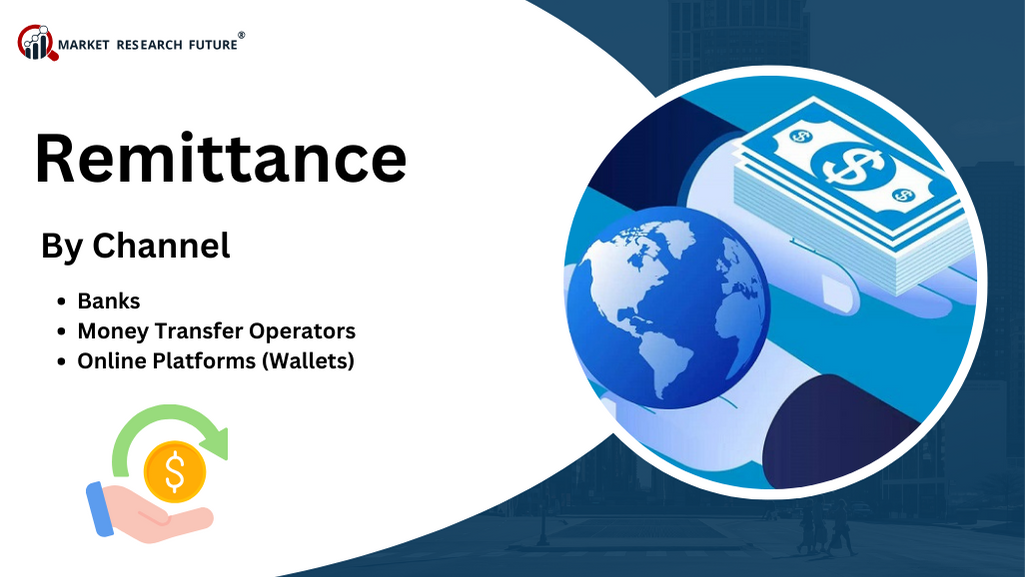
The ecosystem of the GCC remittance industry is a complex and highly competitive landscape, composed of several distinct categories of players, each catering to different segments of the expatriate community. The most visible and traditional players are the Money Transfer Operators (MTOs), including global giants like Western Union, MoneyGram, and Ria, who leverage their vast global network of agents to facilitate cash pick-ups in destination countries. However, a unique and dominant feature of the GCC market is the prevalence of regional and local Exchange Houses, such as Al Ansari Exchange, Lulu Exchange, and Al Fardan Exchange. These institutions have built deep-seated trust within expatriate communities over decades, often offering more competitive exchange rates and lower fees than their global counterparts, and maintaining a strong physical presence with numerous branches in labor accommodation areas and city centers. Competing with them are the traditional retail banks, which offer remittance services through their own channels, often appealing to higher-income, banked expatriates. This established order is now being aggressively challenged by a new wave of digital-first FinTech companies and mobile wallet providers, who are leveraging technology to offer a more convenient, faster, and lower-cost alternative, creating a highly dynamic and evolving competitive environment.
The operational mechanics of the industry have traditionally been dominated by a brick-and-mortar, cash-centric model. For decades, the typical remittance process involved an expatriate worker physically visiting the branch of an exchange house, waiting in line, filling out paperwork, and handing over cash to be sent home. This model, while seemingly archaic, has persisted due to its accessibility for workers who may be unbanked or less digitally literate, and because of the deep-seated trust in face-to-face transactions and the tangible receipt of cash by the family back home. However, the industry is in the midst of a profound digital transformation. The "omnichannel" approach has become the new standard, where established exchange houses and banks now offer sophisticated mobile applications and online portals alongside their physical branches. This allows customers to initiate transactions from the convenience of their smartphone, paying via a debit card or bank transfer, and to track the status of their remittance in real time. This shift to digital channels was massively accelerated by the COVID-19 pandemic, which forced both customers and service providers to embrace contactless and remote transaction methods, permanently altering the industry's operational fabric and user expectations.
In conclusion, the strategic role of the GCC remittance industry is to serve as a reliable, efficient, and increasingly digital conduit for the massive flow of personal capital that underpins the region's socio-economic contract with the world. It is an industry built on the aspirations of millions of individuals seeking a better life for their families. As it evolves, the focus is shifting from simply moving money to providing a comprehensive value proposition. This includes offering faster transfer speeds (often near-instant), greater transparency on fees and exchange rates, and a more seamless, user-friendly digital experience. The future of the industry lies in its ability to leverage technology to not only lower costs and improve convenience but also to integrate with a broader ecosystem of financial services, such as bill payments, mobile top-ups, and micro-savings products. In doing so, the GCC remittance industry will continue to be a powerful engine for financial inclusion and economic empowerment for millions of people across the developing world, all while serving the critical needs of the GCC's vibrant expatriate workforce.
Explore More Like This in Our Regional Reports:

