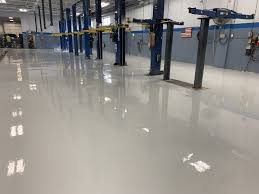
Garage epoxy flooring has become one of the most popular upgrades for homeowners who want to transform a plain, dusty garage into a clean, durable, and visually appealing space. Whether you use your garage for parking vehicles, storage, a workshop, or even a home gym, epoxy flooring offers a high-performance surface that can handle heavy use while looking professionally finished.
In this guide, we’ll explore what garage epoxy flooring is, its benefits, installation process, costs, maintenance, and why it’s considered one of the best long-term flooring solutions for garages.
What Is Garage Epoxy Flooring?
Garage epoxy flooring is a protective coating system made by mixing epoxy resin and a hardening agent. When applied to a concrete garage floor, it chemically bonds with the surface to create a strong, seamless, and glossy finish.
Unlike regular paint, epoxy is not just a surface layer—it becomes a hardened plastic-like coating that is extremely resistant to wear, chemicals, stains, and impact.
Key Benefits of Garage Epoxy Flooring
1. Extreme Durability
One of the biggest advantages of garage epoxy flooring is its strength. It can withstand:
- Heavy vehicles
- Motorcycle stands
- Dropped tools
- Constant foot traffic
This makes it ideal for both residential and commercial garages.
2. Resistant to Chemicals and Stains
Garages often face exposure to oil leaks, gasoline spills, brake fluid, and cleaning chemicals. Epoxy flooring is highly resistant to these substances, preventing permanent stains and damage to the concrete beneath.
3. Easy to Clean and Maintain
A smooth epoxy surface does not absorb dust, dirt, or liquids. Cleaning is simple:
- Sweep or vacuum dust
- Mop with mild detergent
- Wipe spills quickly
Unlike bare concrete, epoxy floors do not trap grime.
4. Attractive Appearance
Garage epoxy flooring can completely transform a dull garage into a polished, showroom-style space. It comes in various styles:
- Solid colors (gray, black, tan, white)
- Metallic finishes
- Flake systems with decorative chips
- High-gloss or matte finishes
This customization allows homeowners to match their garage to their personal style.
5. Improves Safety
Epoxy flooring can be made slip-resistant by adding textured additives. It also improves visibility by reflecting light, making garages brighter and safer to work in.
6. Long-Lasting Investment
When installed properly, epoxy flooring can last 10–20 years or more with minimal maintenance. This makes it a cost-effective long-term solution compared to repainting or resurfacing concrete.
Types of Garage Epoxy Flooring Systems
1. Water-Based Epoxy
- Easier to apply
- Lower cost
- Good for light residential use
However, it is less durable than other types.
2. Solvent-Based Epoxy
- Stronger than water-based
- Better adhesion
- More resistant to chemicals
It requires proper ventilation during installation.
3. 100% Solid Epoxy
- Highest durability
- Thickest coating
- Used in commercial and heavy-duty garages
This is the most long-lasting option.
4. Epoxy Flake System
Decorative chips are added to the epoxy for:
- Better traction
- Aesthetic appeal
- Hiding dirt and imperfections
This is one of the most popular choices for residential garages.
Installation Process of Garage Epoxy Flooring
Proper installation is key to achieving a strong and long-lasting epoxy floor. Here’s how professionals typically apply it:
1. Surface Preparation
The concrete floor must be:
- Cleaned thoroughly
- Free of oil, dust, and grease
- Mechanically ground or etched
This step ensures proper adhesion.
2. Crack and Damage Repair
Any cracks or holes in the concrete are filled and smoothed before coating begins.
3. Primer Application
A primer layer is applied to improve bonding between epoxy and concrete.
4. Epoxy Coating
The epoxy mixture is applied evenly across the floor using rollers or squeegees.
5. Decorative Layer (Optional)
Flakes or metallic pigments may be added at this stage.
6. Topcoat Sealer
A clear protective topcoat is applied for:
- UV resistance
- Scratch protection
- Enhanced shine
7. Curing Time
The floor typically needs 24–72 hours to fully cure before heavy use.
Cost of Garage Epoxy Flooring
The cost depends on:
- Garage size
- Type of epoxy used
- Surface condition
- Labor costs
On average:
- Basic epoxy coating: Low cost
- Mid-range flake system: Moderate cost
- High-end 100% solid epoxy: Higher cost
While initial costs may seem higher than paint, the long lifespan makes it more economical over time.
Maintenance Tips for Epoxy Garage Floors
To keep your epoxy flooring in top condition:
- Clean spills immediately
- Avoid dragging heavy sharp objects
- Use soft-bristle brooms or microfiber mops
- Reapply topcoat every few years if needed
Proper care can significantly extend the life of the floor.
Common Mistakes to Avoid
- Skipping surface preparation
- Applying epoxy on damp concrete
- Using low-quality epoxy products
- Not allowing proper curing time
These mistakes can lead to peeling, bubbling, or reduced durability.
Is Garage Epoxy Flooring Worth It?
Yes—garage epoxy flooring is worth the investment for most homeowners. It offers a rare combination of strength, beauty, and low maintenance. Whether you want a clean parking space or a functional workshop, epoxy flooring enhances both performance and appearance.
Final Thoughts
Garage epoxy flooring is more than just a cosmetic upgrade—it is a practical solution that protects your concrete, improves usability, and adds long-term value to your property. With the right materials and proper installation, it can completely transform your garage into a clean, durable, and professional-looking space.
If you’re planning a garage renovation, epoxy flooring is one of the smartest upgrades you can make.