


The Silent Protectors in Surgery: How Gel Cushions and Head Rings Ensure Patient Safety
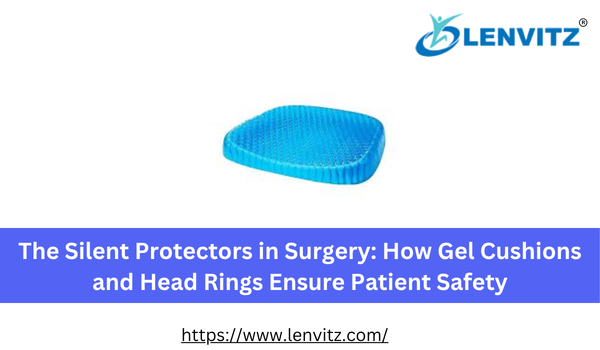
When we talk about life-saving surgery, we often focus on the surgeon’s expertise or the hospital’s cutting-edge technology. However, there is a quieter, equally vital aspect of surgical success: patient positioning. Staying immobilized for hours on an operating table can put immense stress on the human body.
To prevent complications like nerve damage and pressure sores, medical teams rely on specialized equipment like the Gel Cushion, Arm Rest Gel Pad, and the silicon head ring. In this blog, we’ll explore how these small but mighty tools make a massive difference in patient recovery.
Why "Soft Support" is a Hard Requirement in the OT
The human body isn't designed to stay perfectly still on a flat, firm surface for extended periods. Under anesthesia, a patient loses the natural urge to shift weight, which can lead to "bottoming out"—where the bone presses through the skin against the table.
This is where a medical-grade Gel Cushion becomes a lifesaver. Unlike traditional foam that flattens over time, a Gel Cushion redistributes weight evenly across the surface. By mimicking the consistency of human tissue, it keeps blood flowing to the skin and prevents the formation of painful post-operative pressure ulcers.
Protecting the Nerves with an Arm Rest Gel Pad
During most surgeries, a patient’s arms are placed on side extensions for IV access and monitoring. If the arm is left on a hard surface, the ulnar nerve—commonly known as the "funny bone"—can suffer from prolonged compression. This can lead to permanent numbness, tingling, or even loss of hand function.
The Arm Rest Gel Pad is the primary line of defense against these injuries. By using an Arm Rest Gel Pad, the surgical team ensures:
-
Pressure Relief: The elbow and forearm are cradled in a soft, supportive environment.
-
Stability: The arm stays securely in place without the need for tight, restrictive straps.
-
Shear Protection: The gel moves with the skin, preventing friction during long procedures.
Cranial Care: Using a Head Gel Pad and Silicon Head Ring
The head is one of the most sensitive areas to position, especially in neurosurgery, ENT, or eye surgeries. The weight of the skull can restrict blood flow to the scalp, and in extreme cases, this can even cause temporary hair loss or skin damage.
The Function of the Head Gel Pad
A Head Gel Pad is designed to support the natural curve of the skull. It provides a soft "floating" sensation for the patient, ensuring that no single part of the head bears too much weight. This is essential for maintaining the patient's comfort and preventing "hot spots" of pressure.
The Importance of the Silicon Head Ring
For surgeries requiring the head to be perfectly still, the silicon head ring is the gold standard. This donut-shaped device provides several benefits:
-
Stability: The silicon head ring prevents the head from rolling during delicate procedures.
-
Protection: It protects the ears and the back of the head (occipital area) from direct contact with the table.
-
Versatility: Whether the patient is on their back or side, a silicon head ring adapts to the anatomy to provide a custom-fit feel.
Conclusion: Small Tools, Major Impact
While a Gel Cushion or an Arm Rest Gel Pad might seem like simple accessories, they are fundamental to modern surgical safety. By using a high-quality Head Gel Pad and silicon head ring, hospitals prove their commitment to "Do No Harm."
For patients, these gel-based supports mean waking up without unnecessary aches, pains, or nerve issues. For surgeons, it means the peace of mind that their patient is safe and stable from head to toe. In the world of healthcare, the best recovery starts with the right support.

