


Custom Textile Packaging vs Standard Packaging: Key Differences
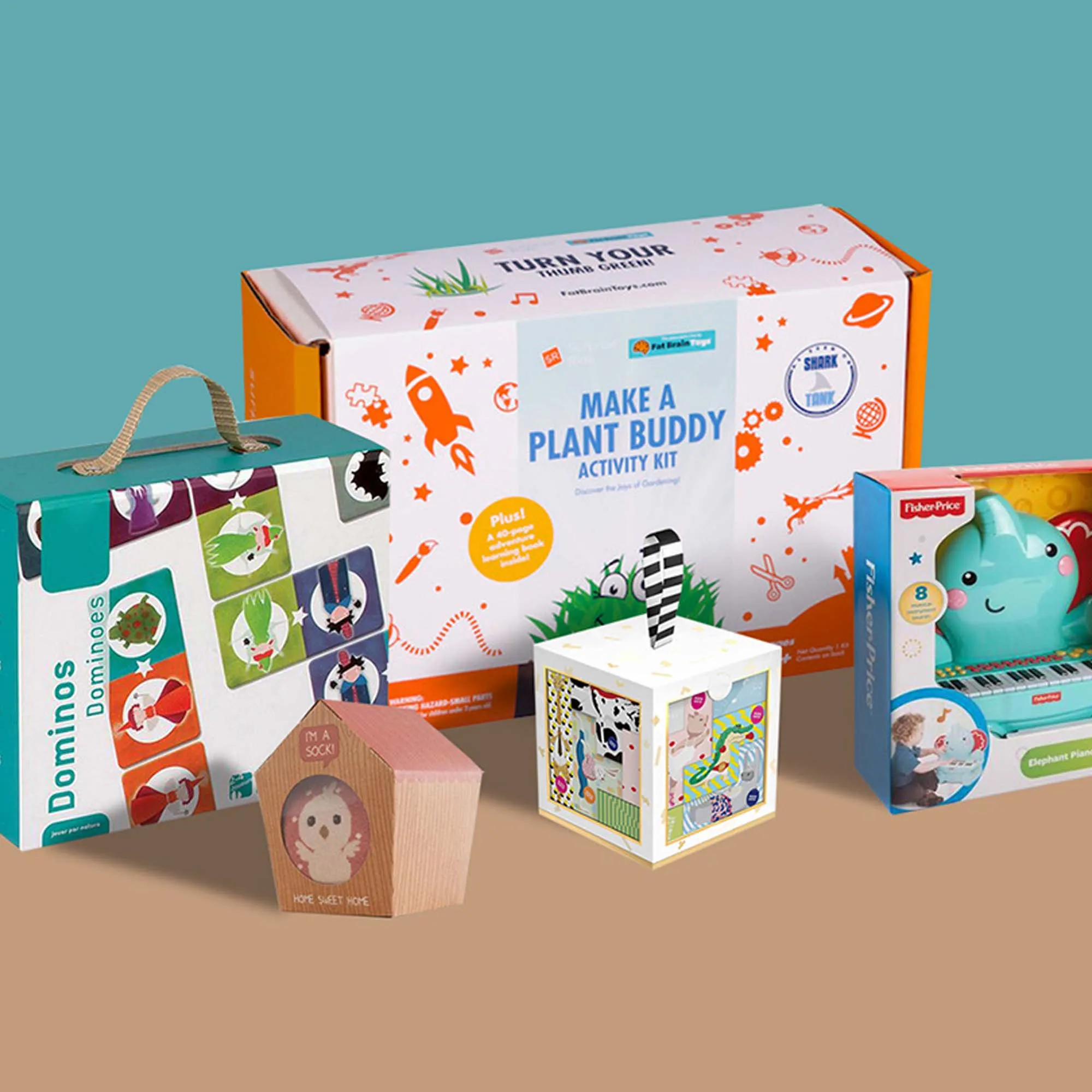
Textile products like clothing, fabrics, scarves, and home linens need packaging that protects them while also supporting brand presentation. Businesses usually choose between custom textile packaging and standard packaging, but the difference between the two is more important than it may seem.
Understanding these differences helps brands choose the right solution for product protection, branding, and customer experience.
What Is Standard Packaging
Standard packaging refers to basic, ready-made boxes or poly bags with little or no customization.
It is commonly:
- Generic in design
- Low-cost and mass-produced
- Limited in branding options
- Focused mainly on basic protection
It is often used for simple storage and shipping needs.
What Is Custom Textile Packaging
Custom textile packaging is specially designed to match a brand’s identity and product requirements.
It typically includes:
- Custom sizes and shapes
- Printed logos and brand colors
- Premium materials and finishes
- Tailored inserts or folding styles
It focuses on both protection and presentation.
Branding and Visual Appeal
One of the biggest differences is branding potential.
Custom packaging offers:
- Full brand customization
- Unique visual identity
- Professional and premium appearance
- Strong shelf and online appeal
Standard packaging usually lacks branding impact.
Customer Experience and Unboxing
Packaging plays a big role in how customers feel about a product.
Custom textile packaging improves experience by:
- Creating a more premium unboxing moment
- Organizing garments neatly inside
- Adding branded tissue paper or inserts
- Making products feel gift-ready
Standard packaging feels basic and functional.
Product Protection and Fit
Fit and protection are critical for textile items, especially during shipping.
Custom packaging provides:
- Accurate sizing for garments or fabrics
- Reduced movement during transport
- Better folding and presentation control
- Improved protection from dust and damage
Standard packaging may not fit products properly.
Material Quality Differences
Material choice also separates both packaging types.
Custom packaging often uses:
- High-quality cardboard or kraft materials
- Rigid boxes for premium textiles
- Eco-friendly and recyclable options
- Enhanced durability for branding purposes
Standard packaging uses simpler, lower-grade materials.
Cost Considerations
There is a clear difference in pricing between the two options.
Standard packaging:
- Lower upfront cost
- Suitable for bulk basic use
- Minimal design investment
Custom packaging:
- Higher initial cost
- Better long-term branding value
- Improved customer retention and perception
Investment depends on business goals.
Retail and E-Commerce Performance
Packaging impacts both online and physical sales.
Custom textile packaging helps by:
- Improving shelf visibility in stores
- Enhancing product photos for e-commerce
- Supporting branded shipping experiences
- Reducing return rates through better protection
Standard packaging offers limited marketing impact.
Sustainability Options
Both packaging types can be eco-friendly, but custom packaging offers more flexibility.
Custom options include:
- Recyclable kraft materials
- Minimal plastic usage designs
- Biodegradable packaging elements
- Reusable box structures
Sustainability supports modern brand values.
Flexibility in Design
Customization gives brands full control over packaging style.
Custom packaging allows:
- Seasonal and promotional designs
- Unique shapes and closures
- Special finishes like embossing or foil
- Brand storytelling through packaging
Standard packaging has fixed limitations.
Final Thoughts
Custom textile packaging and standard packaging serve different purposes. While standard packaging focuses on basic protection and low cost, custom packaging delivers branding, customer experience, and premium presentation.
For textile brands looking to stand out in a competitive market, custom packaging offers a clear advantage in both marketing and customer satisfaction.

