


The Complete Guide to Safe Pet Transportation
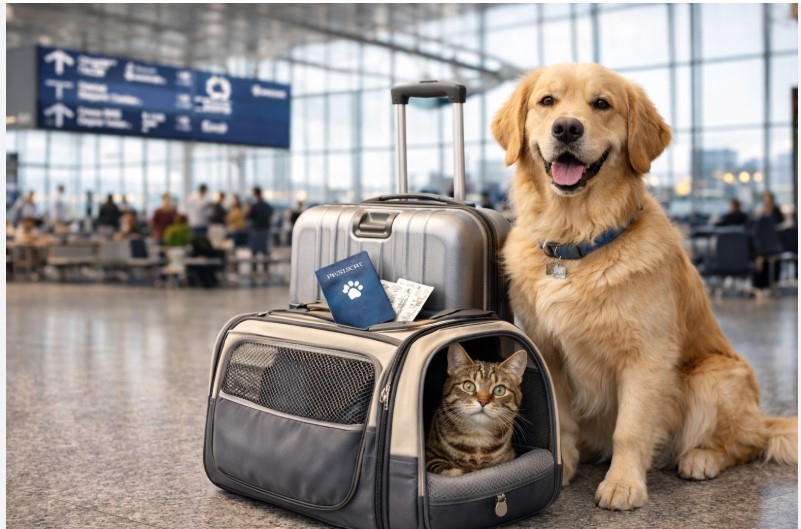
Quick answer: Pet transportation involves moving domestic animals safely across long distances using specialized ground transport vehicles or commercial airlines. To ensure a smooth trip, owners must secure health certificates, choose airline-approved travel crates, and decide between DIY travel or hiring a certified pet relocation service.
Moving to a new home requires careful planning, and bringing a furry family member along adds a layer of complexity to the entire process. Organizing a move across state lines or international borders demands meticulous attention to detail. Animals experience stress when their environment changes, making their comfort and safety the highest priority during transit.
Understanding the logistics of pet transportation helps alleviate anxiety for both owners and animals. A successful journey relies on proper preparation, the right equipment, and an awareness of complex transit regulations. Navigating travel requirements can easily feel overwhelming without a clear roadmap and timeline.
This guide explores the various methods of pet transportation available today. Readers will learn how to prepare domestic animals for travel, evaluate different transit options, and gather the necessary medical documentation to ensure a secure and compliant journey from departure to arrival.
What are the most common methods for pet transportation?
Owners generally choose between driving their animals themselves, hiring ground transport, or booking commercial flights. The best method depends on the travel distance, the animal's health, and the owner's budget.
How does ground pet transportation work?
Ground pet transportation uses specialized vans or SUVs to move dogs, cats, and other domestic animals across land. Professional ground transporters drive dedicated routes, stopping frequently for feeding, hydration, and bathroom breaks. Ground transport minimizes the altitude and temperature risks associated with flying.
Choose ground transport if keeping your animal out of an airplane cargo hold matters more than the speed of travel. Ground travel is highly recommended for brachycephalic (snub-nosed) breeds, such as Pugs and Persian cats, which face severe respiratory risks in airplane cargo holds.
What should you know about airline pet transportation?
Flying remains the fastest way to move animals across long distances. Commercial airlines offer two main options for pet transportation: in-cabin travel for small animals and cargo travel for larger breeds. According to the International Air Transport Association (IATA, 2023), airlines enforce strict temperature embargoes and crate dimensions to protect animals traveling in the cargo hold.
Choose airline transport if the journey spans multiple days by car and rapid relocation is essential for the animal's overall well-being. Always verify airline-specific breed restrictions before booking a flight, as many carriers have updated their policies regarding live animal transport.
How do you prepare a dog or cat for a long trip?
Preparation dictates the success of pet transportation. Rushing the process often leads to denied boarding or severe travel anxiety for the animal.
What veterinary documents are required for moving pets?
Health documentation serves as the passport for domestic animals. Most states and airlines require a Certificate of Veterinary Inspection (CVI) issued within ten days of travel. Additionally, animals need up-to-date rabies vaccination certificates.
According to the American Veterinary Medical Association (AVMA, 2023), owners should schedule veterinary visits at least one month before departure to complete all necessary vaccinations and microchipping. International travel requires even more lead time, as some destination countries mandate blood titer testing months in advance.
How do you choose the right travel crate?
The travel crate provides a secure micro-environment during transit. An IATA-approved travel crate must allow the animal to stand, turn around, and lie down comfortably. Rigid plastic crates with metal grated doors offer the best ventilation and security.
Add absorbent bedding and familiarize the animal with the crate several weeks before the trip. This acclimation period reduces travel-induced anxiety significantly. Feed the animal treats inside the crate to build a positive association before the travel day arrives.
What are the specific requirements for international pet transportation?
Moving animals across international borders involves stringent customs regulations to prevent the spread of diseases. Destination countries classify arriving animals based on the rabies status of the originating country.
Owners must often secure an import permit from the destination country's agricultural department. Some nations, such as Australia and New Zealand, require mandatory quarantine periods upon arrival. Choose an early preparation timeline if moving internationally, as completing the required testing and documentation can take up to six months.
Should you hire a professional pet relocation service?
A professional pet relocation service manages the entire logistics chain of moving an animal. These companies handle flight bookings, veterinary paperwork reviews, and ground transfers to the airport. Certified pet shippers possess deep knowledge of international customs regulations and airline embargoes.
Choose a professional pet relocation service if managing complex flight schedules and strict import requirements feels unmanageable. While this option increases the total moving budget, it drastically reduces the risk of administrative errors that could leave an animal stranded at a border crossing.
Preparing for your next big move with your animal
Relocating with animals requires patience, thorough research, and a commitment to their welfare. Proper pet transportation hinges on understanding the available travel methods and preparing the animal well in advance of departure. Securing the correct documentation and an appropriate travel crate prevents unexpected delays at the airport or state borders.
Take the time to consult a licensed veterinarian about travel risks specific to an animal's age and health status. Exploring professional relocation services can also provide peace of mind during a chaotic moving period. Start planning the animal's journey today to guarantee a safe arrival at the new destination.
Frequently asked questions about pet transportation
How much does professional pet transportation cost?
The cost of professional pet transportation varies based on distance, animal size, and travel method. Domestic ground transport typically ranges from $300 to $800, while international airline relocation services can cost between $1,000 and $4,000.
Can you sedate a dog or cat before flying?
The American Veterinary Medical Association strongly advises against sedating animals during air travel. Sedatives impair an animal's natural ability to regulate body temperature and balance, increasing the risk of injury or respiratory failure during transit.
How long can a dog stay in a travel crate during transit?
Healthy adult dogs can generally stay in a travel crate for four to six hours at a time during ground transport. Professional ground transporters stop every few hours to allow dogs to stretch, hydrate, and relieve themselves safely.
Are there restrictions on which dog breeds can fly?
Yes, most major commercial airlines restrict or ban brachycephalic (short-nosed) breeds from flying in the cargo hold. Breeds like French Bulldogs, Boxers, and Pugs are highly susceptible to heat stroke and breathing difficulties at high altitudes.

