


Why Environmental Site Assessments Matter Before Development
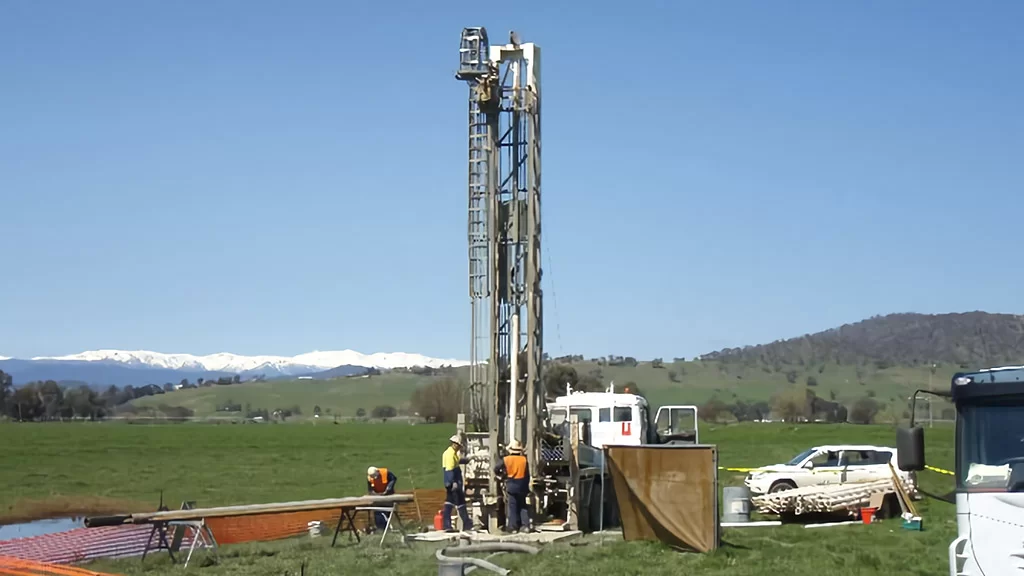
Development projects represent enormous financial commitments and community responsibilities. Environmental conditions beneath a site can undermine even the most carefully planned projects. Environmental site assessments provide certainty about what lies beneath the surface before development begins. They protect developers, communities, and future occupants from hidden contamination risks. This article explains why environmental site assessments are essential before any development commitment.
The Fundamental Purpose of Environmental Site Assessment
Environmental site assessments investigate whether a property poses contamination risks. They systematically evaluate historical land uses that may have caused contamination. Physical sampling confirms or rules out actual subsurface contamination presence. Assessment findings inform decisions about whether and how to develop a site. The fundamental purpose is transforming environmental uncertainty into actionable knowledge.
Development decisions made without environmental assessment are fundamentally uninformed. A developer who buys land without assessment cannot know what they are acquiring. Contamination discovered after acquisition is the new owner's legal and financial problem. Environmental assessment transforms an information gap into a clear decision-making foundation. No other form of due diligence substitutes for proper environmental investigation.
Who Benefits from Pre-Development Environmental Assessment
Multiple parties benefit from pre-development environmental assessment. Developers avoid acquiring unquantified environmental liability with their land purchase. Lenders protect loan collateral from undisclosed environmental devaluation. Future building occupants are protected from health risks from residual contamination. Neighboring property owners are protected from contamination migration from development sites. Community members benefit from development that has been responsibly investigated.
Municipal authorities gain confidence that development meets environmental standards. Planning approvals supported by environmental assessment evidence are legally defensible. Regulatory agencies can process applications more efficiently with complete assessment documentation. The entire development ecosystem functions better when environmental assessment is standard practice. Assessment benefits extend far beyond the individual developer who pays for it.
The Regulatory Landscape Requiring Environmental Assessment
Environmental site assessment requirements have been embedded in many regulatory frameworks. Many jurisdictions require Phase II assessment for rezoning applications on former industrial land. Development permits for residential use of commercially zoned land often require clearance. Brownfield development grants and subsidies typically require assessment documentation as conditions. Regulatory requirements reflect society's expectation that development must address contamination.
Non-compliance with environmental assessment requirements carries serious consequences. Development approvals obtained without required assessments can be revoked later. Buildings constructed on contaminated land without assessment expose developers to significant liability. Future sale transactions are complicated by absent historical environmental documentation. Regulatory compliance through assessment is both legally required and practically necessary.
Lender Requirements and Environmental Due Diligence Standards
Financial institutions have developed detailed environmental due diligence requirements. The American Society for Testing and Materials standard governs Phase I assessment practice. Most commercial lenders require Phase I assessment for all commercial real estate loans. Properties with Phase I concerns require Phase II before lender approval is granted. A phase 2 environmental site assessment meeting professional standards satisfies most lender requirements.
International financial standards for project finance require environmental due diligence. The Equator Principles governing major project finance mandate environmental assessment. Institutional investors apply environmental, social, and governance criteria to development investments. Insurance underwriters require assessment data before issuing environmental liability policies. The financial industry has made environmental assessment a prerequisite for capital access.
Contamination Risks Specific to Development Activities
Construction activities create specific contamination exposure pathways that require assessment. Excavation in contaminated soil releases vapors and dust that affect worker health. Contaminated groundwater encountered during dewatering creates handling and disposal obligations. Demolition of contaminated structures generates hazardous waste requiring special management. Understanding contamination before construction begins enables proper health and safety planning.
Contractors working in contaminated conditions require specialized equipment and training. Standard construction contracts do not anticipate contaminated soil handling requirements. Discovering contamination during construction creates contract disputes about additional costs. Pre-construction assessment enables contamination conditions to be properly specified in contracts. Informed contractors can price contamination management work accurately and avoid disputes.
Post-Development Vapour Intrusion and Occupant Health
Buildings constructed on contaminated sites face long-term vapour intrusion risks. Volatile compounds remaining in soil after development migrate toward occupied buildings. Indoor air contamination from vapour intrusion threatens occupant health invisibly. Vapour intrusion problems discovered after building occupation are very expensive to address. Pre-development assessment identifies vapour intrusion risk before building design is finalized.
Building design solutions for vapour intrusion are most cost-effective when incorporated initially. Sub-slab depressurization systems and membrane vapour barriers protect occupants effectively. These systems are far less expensive to install during construction than retrofit later. Post-occupancy vapour intrusion remediation disrupts occupants and creates significant liability exposure. Pre-development assessment is the only reliable way to address this design-stage risk.
Environmental Assessment and Development Value Creation
Environmental assessment creates value throughout the development process. Early assessment identifies contamination that can be remediated to increase site value. Remediated brownfield sites often support higher-value development than their contaminated predecessors. Assessment findings guide development planning toward uses appropriate for site conditions. Information from assessment enables developers to maximize value creation from every site.
Properties with clean environmental assessment records command premium values in the market. Buyers and tenants pay premiums for environmentally certified and documented properties. Green building certifications increasingly require environmental site history documentation. Environmental performance is becoming a recognized quality marker in real estate markets. Assessment investment creates value that persists throughout the property's entire development lifecycle.
Brownfield Incentive Programs and Assessment Requirements
Government brownfield programs recognize the public benefit of contaminated land redevelopment. Tax increment financing, grants, and liability protection programs support brownfield development. These programs consistently require environmental assessment documentation as conditions of participation. Assessment investment unlocks access to financial incentives that improve project feasibility. Understanding available brownfield programs before commencing assessment maximizes development value.
Federal and provincial brownfield programs have provided billions in redevelopment support. Successful program applications require high-quality environmental assessment documentation. Assessment conducted to program standards maximizes the probability of application success. Experienced environmental consultants understand program requirements and design assessments accordingly. Aligning assessment design with program requirements is a development cost optimization strategy.
Protecting Development Reputation Through Environmental Due Diligence
Developer reputation is a valuable asset that environmental assessment protects. Communities are increasingly attentive to the environmental performance of developers. Discovering that a developer built on contaminated land without assessment creates reputational damage. Media coverage of contamination discoveries at development sites is consistently negative. Pre-development assessment demonstrates commitment to community health and environmental responsibility.
Disputes with future building owners over undisclosed contamination are reputationally damaging. Legal proceedings about environmental conditions attract negative public attention. Regulatory enforcement actions against developers for environmental non-compliance are publicly reported. Building a reputation for thorough environmental due diligence prevents these reputation-damaging events. Environmental excellence is both an ethical standard and a business reputation strategy.
The Assessment Process in Practical Development Context
Developers should integrate environmental assessment into project timeline planning. Phase I assessment is appropriate at the early feasibility stage before significant investment. Phase II assessment follows if Phase I identifies concerning historical conditions. Assessment timelines typically range from two to eight weeks depending on scope and complexity. Planning for assessment duration prevents critical path schedule impacts.
Assessment costs scale with site complexity and investigation scope required. Simple Phase I assessments for small sites may cost a few thousand dollars. Comprehensive Phase II programs for complex industrial sites may cost tens of thousands. Both represent small fractions of total development project budgets in context. The financial protection provided by assessment is always proportionate to and exceeds its cost.
Making Environmental Assessment Standard Development Practice
Leading developers have made environmental assessment a non-negotiable standard practice. Their development checklists include environmental assessment completion before acquisition commitment. Standard due diligence processes are designed so no site proceeds without assessment review. This cultural commitment to environmental due diligence prevents exceptions that create problems. Building organizational commitment to assessment is the most important step any developer can take.
Training development teams on environmental risk recognition improves assessment quality. Team members who understand contamination risks ask better questions and make better decisions. Environmental literacy throughout development organizations supports better risk management. Engaging experienced environmental consultants builds team knowledge over time. Organizational environmental competence is a competitive asset that strengthens with every project.

