


Chiropractic Treatments That Improve Flexibility and Posture
Posture has quietly become one of the most significant health challenges of the digital era. The average adult now spends more than ten hours daily in seated or forward-flexed positions. Smartphones, laptops, and desk-based work have reshaped how the human body is held in space. The consequences of this reshaping are widespread and increasingly serious.
Poor posture creates a cascade of musculoskeletal problems throughout the body. The cervical spine shifts forward, increasing the effective load on neck muscles dramatically. Thoracic kyphosis deepens, restricting breathing and shoulder mobility. Lumbar lordosis flattens or exaggerates, altering the load distribution across spinal discs. These changes develop gradually but compound into painful, limiting dysfunction over time.
How Chiropractic Care Addresses Postural Dysfunction
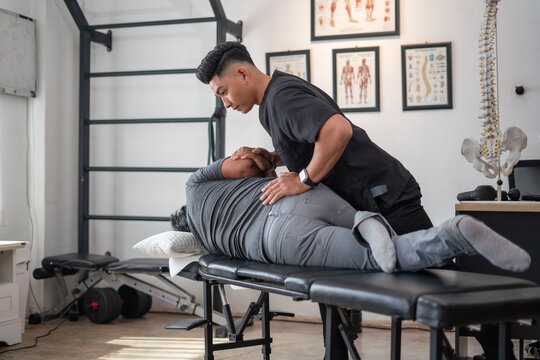
Chiropractic care is uniquely positioned to address the structural dimensions of postural dysfunction. The spine is the primary target of chiropractic assessment and treatment. Restricted or misaligned vertebral segments are identified through a comprehensive physical examination. Specific adjustments restore proper joint mechanics and alignment to these dysfunctional areas.
When vertebral joints move freely and in proper alignment, posture improves naturally. The surrounding muscles no longer need to compensate for restricted joint movement. They can return to their intended length, strength, and functional balance. Postural improvement achieved through chiropractic care is therefore structurally grounded and lasting.
The Role of Joint Restriction in Poor Posture
Joint restriction is a core concept in understanding how chiropractic treatment improves posture. When a vertebral joint loses its normal range of motion, the surrounding tissues adapt. Muscles on one side shorten while muscles on the opposite side lengthen and weaken. This muscular imbalance pulls the spine away from its neutral alignment over time.
Chiropractic adjustments directly address this restriction by restoring proper joint motion. The adjacent muscles receive new neurological input that allows them to reset their resting tone. Shortened muscles can lengthen, and weakened muscles can re-engage. The spine progressively moves toward a more balanced and functional alignment.
Improving Flexibility Through Chiropractic Treatment
Flexibility is the product of joint mobility and muscular length in combination. When either is compromised, flexibility suffers and movement becomes restricted. Most people think of flexibility as a muscular issue alone and focus on stretching. While stretching is valuable, it cannot address the joint restriction component of poor flexibility.
Chiropractic adjustments restore joint mobility throughout the spine and extremities. When joints move freely, muscles can move through their full intended range. Stretching is then far more effective because the skeletal framework is no longer limiting motion. This combined approach to flexibility improvement is more comprehensive and more effective than stretching alone.
How Soft Tissue Therapies Complement Adjustments
Chiropractic care frequently incorporates soft tissue therapies alongside spinal adjustments. Myofascial release addresses the fascial restrictions that limit movement and perpetuate poor posture. Trigger point therapy identifies and treats specific muscular knots that refer pain and restrict range of motion. Instrument-assisted soft tissue mobilization breaks down scar tissue and adhesions effectively.
These techniques prepare the soft tissues for improved function following adjustments. Muscles that have been shortened and fibrotic respond better to chiropractic care when addressed directly. The combined approach achieves more complete flexibility and postural improvement than either technique alone would provide.
Specific Postural Patterns That Chiropractic Treats
Forward head posture is one of the most common and impactful postural problems seen clinically. For every inch the head moves forward from its neutral position, neck load increases significantly. Suboccipital muscles become chronically compressed, generating headaches and restricted neck movement. Cervical chiropractic adjustments directly address the vertebral restrictions that drive and maintain this pattern.
Rounded shoulder posture creates anterior shoulder tightness and posterior weakness. The thoracic spine becomes increasingly kyphotic, restricting both shoulder mobility and respiratory function. Thoracic spinal adjustments improve extension mobility and allow the shoulders to retract into a more balanced position. Pectoral soft tissue treatment further supports this postural correction.
The Neurological Basis of Posture and Chiropractic's Impact
Posture is fundamentally a neurological achievement, not merely a structural one. The brain and spinal cord continuously process proprioceptive input from muscles, joints, and fascia. This input is used to regulate muscle tone and maintain upright posture automatically. When proprioceptive input is distorted by joint restriction, postural control is compromised.
Chiropractic adjustments improve the quality of proprioceptive input from spinal joints. Mechanoreceptors in joint capsules fire more accurately when joint motion is normalized. The brain receives better information and makes more accurate postural adjustments. This neurological improvement is one reason postural changes from chiropractic care can be rapid and lasting.
Postural Exercises That Reinforce Chiropractic Corrections
Chiropractic adjustments create the structural opportunity for postural improvement. Rehabilitative exercises are needed to reinforce and maintain these corrections over time. Deep cervical flexor exercises strengthen the muscles that support a neutral head position. Thoracic extension and scapular retraction exercises address rounded shoulder posture effectively.
Core stability training is fundamental to lumbar postural health. A strong, well-coordinated core reduces the load placed on passive lumbar structures. Glute and hip strengthening exercises support pelvic alignment and spinal posture from below. A chiropractor who prescribes these exercises alongside adjustments delivers significantly better and more durable postural outcomes.
Ergonomics and Lifestyle Changes for Postural Health
Chiropractic care and exercise are most effective when combined with ergonomic awareness. Workstation setup has a profound influence on postural health in desk workers. Monitor height, chair support, keyboard position, and screen distance all matter significantly. A well-configured workstation reduces the postural strain that makes chiropractic gains harder to maintain.
Regular movement breaks are equally important for people who sit for extended periods. Standing, walking briefly, and performing simple mobility exercises every thirty to sixty minutes helps. These micro-movements prevent the cumulative postural strain that develops with sustained static posture.
Why a Chiropractic Clinic Is the Right Starting Point
Addressing postural dysfunction and flexibility limitations requires professional assessment. Self-directed stretching and exercise programs often miss the structural restrictions that limit progress. A comprehensive chiropractic assessment identifies the specific joint, muscular, and postural patterns driving your problems.
A quality chiropractic clinic offers the full spectrum of tools needed for postural rehabilitation. Adjustments, soft tissue therapies, corrective exercise, and ergonomic guidance are all delivered within a coordinated care plan. This integrated approach addresses all dimensions of postural dysfunction effectively. Patients achieve results that isolated interventions simply cannot provide.
Final Thoughts on Chiropractic Care for Flexibility and Posture
Poor posture and reduced flexibility are not inevitable consequences of age or modern work. They are addressable conditions that respond well to skilled chiropractic intervention. By restoring joint motion, improving soft tissue quality, and enhancing neurological proprioception, chiropractic care transforms posture and flexibility comprehensively. The results extend beyond appearance to encompass reduced pain, improved breathing, and enhanced physical performance.
If postural strain or restricted flexibility is affecting your comfort or function, seek chiropractic assessment. The process begins with understanding your specific patterns and designing a targeted plan. With consistent care and active participation in rehabilitation, meaningful and lasting improvement is entirely achievable.

