


How Building a Data Centre Improves Data Security, Business Continuity, and IT Infrastructure Efficiency
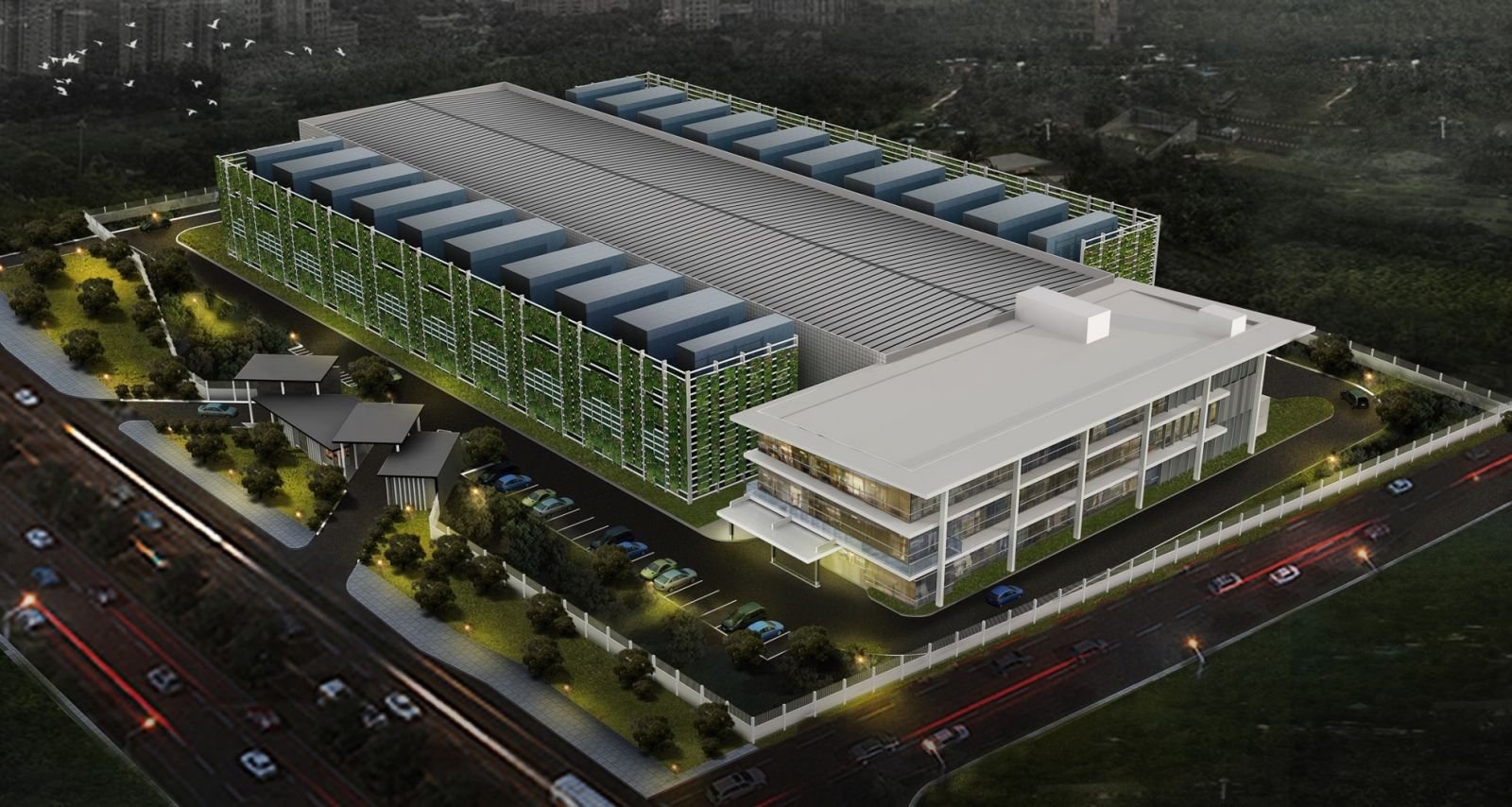
In today’s digital economy, businesses rely heavily on data, cloud applications, online communication, and secure IT systems to operate efficiently. As organizations continue to generate and manage larger volumes of information, the demand for reliable infrastructure has increased significantly. One of the most effective ways businesses can strengthen their digital operations is by building a data centre.
A data centre serves as the foundation for storing, processing, and managing critical business information and IT resources. Modern data centres provide secure environments for servers, networking systems, cloud computing platforms, and storage solutions. By investing in a well-designed data centre, businesses can improve data security, ensure business continuity, and increase the overall efficiency of their IT infrastructure.
What Is a Data Centre?
A data centre is a specialized facility that houses computer systems, servers, networking equipment, and storage infrastructure used to manage digital information and applications. These facilities are designed to support reliable data processing, secure communication, and continuous system operations.
Data centres typically include:
- Servers and storage systems
- Network infrastructure
- Backup power systems
- Cooling and ventilation equipment
- Security systems
- Fire protection systems
- Monitoring and management tools
Businesses across industries use data centres to support websites, cloud services, databases, software applications, communication systems, and digital operations.
Strengthening Data Security
Data security has become one of the most important priorities for modern organizations. Cyber threats, data breaches, ransomware attacks, and unauthorized access can result in financial losses, operational disruptions, and reputational damage.
Building a dedicated data centre allows businesses to implement stronger security measures that protect sensitive information and critical systems.
Physical Security Protection
Data centres are designed with advanced physical security systems to prevent unauthorized access. These measures may include:
- Biometric access controls
- Security surveillance cameras
- Keycard entry systems
- Security personnel
- Locked server rooms
- Visitor monitoring procedures
Physical protection helps safeguard servers and networking equipment from theft, vandalism, and unauthorized interference.
Advanced Cybersecurity Measures
Modern data centres use multiple layers of cybersecurity to protect digital assets. These security solutions may include:
- Firewalls
- Intrusion detection systems
- Encryption technologies
- Multi-factor authentication
- Threat monitoring software
- Secure network segmentation
By centralizing IT systems within a controlled environment, businesses can improve cybersecurity management and reduce vulnerabilities.
Data Backup and Recovery Systems
Data loss can occur due to cyberattacks, hardware failures, human error, or natural disasters. Data centres often include automated backup systems and disaster recovery solutions that protect important information.
Regular backups ensure businesses can restore data quickly if an unexpected incident occurs.
Improving Business Continuity
Business continuity refers to an organization’s ability to continue operating during disruptions or emergencies. Downtime can lead to lost revenue, customer dissatisfaction, and operational delays.
Building a data centre helps businesses maintain continuous access to critical systems and applications.
Reliable Power Infrastructure
Power outages can severely impact business operations and damage sensitive equipment. Data centres are equipped with backup power systems such as:
- Uninterruptible Power Supplies (UPS)
- Backup generators
- Redundant electrical systems
These systems ensure servers and networks remain operational even during power failures.
Redundant Network Connectivity
Network downtime can interrupt communication, online services, and digital workflows. Data centres often use multiple internet connections and redundant network infrastructure to maintain stable connectivity.
This redundancy reduces the risk of service interruptions caused by network failures.
Disaster Recovery Planning
Natural disasters, fires, floods, and cyber incidents can disrupt business operations unexpectedly. Data centres support disaster recovery planning by providing backup infrastructure and failover systems.
Businesses can continue operating or recover more quickly after an emergency with proper disaster recovery solutions in place.
Reduced Downtime
Modern data centres are designed for high availability and operational reliability. Advanced monitoring systems identify potential issues before they cause major disruptions.
Reducing downtime helps organizations maintain productivity and customer trust.
Enhancing IT Infrastructure Efficiency
Efficient IT infrastructure is essential for supporting business growth, digital transformation, and operational performance. Building a data centre allows businesses to optimize resource management and improve system performance.
Centralized IT Management
A dedicated data centre centralizes servers, applications, storage systems, and networking equipment in one location. This simplifies monitoring, maintenance, and troubleshooting processes.
Centralized management improves operational efficiency and reduces the complexity of managing distributed systems.
Better System Performance
Modern data centres use high-performance hardware and optimized networking systems to support fast data processing and communication.
Improved infrastructure performance helps businesses run applications more efficiently while supporting large workloads and growing user demands.
Scalability for Future Growth
As businesses expand, their technology requirements also increase. Building a scalable data centre allows organizations to add storage, servers, and networking capacity as needed.
Scalable infrastructure supports long-term growth without requiring complete system replacements.
Improved Cloud Integration
Many organizations use cloud computing services alongside on-premises infrastructure. Data centres support hybrid IT environments by integrating cloud platforms with internal systems.
This flexibility allows businesses to balance performance, security, and operational needs more effectively.
Supporting Remote Work and Digital Operations
Remote work and digital collaboration have become essential for many businesses. Data centres provide the reliable infrastructure needed to support virtual communication, cloud applications, and remote access systems.
Employees can securely access company resources from different locations while maintaining productivity and data security.
Energy Efficiency and Sustainability
Modern data centres increasingly focus on energy efficiency and environmentally responsible operations. Advanced cooling systems, energy-efficient equipment, and renewable energy integration help reduce environmental impact.
Sustainable data centre practices may include:
- Energy-efficient cooling technologies
- Smart power management systems
- Renewable energy usage
- Efficient server virtualization
- Waste heat recovery systems
These strategies help lower operating costs while supporting environmental goals.
Industry Applications of Data Centres
Data centres support organizations across many industries, including:
- Healthcare
- Finance
- Retail
- Education
- Government
- Telecommunications
- Manufacturing
- E-commerce
Each industry relies on secure and reliable IT infrastructure to manage operations, customer data, and digital services.
Important Considerations When Building a Data Centre
Building a data centre requires careful planning and strategic decision-making. Important factors to consider include:
- Facility location
- Security requirements
- Cooling systems
- Power capacity
- Scalability
- Network connectivity
- Compliance standards
- Disaster recovery planning
Working with experienced data centre consultants and engineers helps ensure successful project development.
The Future of Data Centres
As technology continues to evolve, data centres will play an even more important role in supporting cloud computing, artificial intelligence, big data, and smart technologies.
Future data centres are expected to focus on:
- Greater automation
- Edge computing integration
- Improved cybersecurity
- Higher energy efficiency
- AI-driven infrastructure management
Businesses investing in modern data centres will be better prepared for future digital demands.
Conclusion
Building a data centre provides businesses with stronger data security, improved business continuity, and more efficient IT infrastructure management. By creating a secure and reliable environment for digital operations, organizations can protect critical information, reduce downtime, and support long-term growth.
Modern data centres offer scalable, high-performance solutions that help businesses adapt to changing technology needs while improving operational efficiency. As digital transformation continues to accelerate, investing in a well-designed data centre remains a smart and strategic decision for organizations across all industries.

