


Can One Antiscorch Agent from YG-1 Serve Two Rubber Type
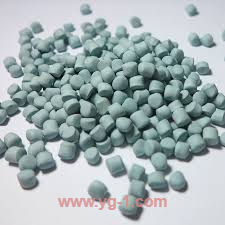
Many rubber compounders assume that a processing additive performing well in one polymer will transfer its effectiveness directly to another material, yet this assumption rarely holds true in real production conditions. Natural rubber, derived from the Hevea tree, contains proteins and fatty acids that influence cure behavior significantly, while synthetic butyl rubber, produced from isobutylene and isoprene, offers an entirely different chemical landscape with low unsaturation and exceptional impermeability. A chemical designed to delay premature vulcanization must interact with each polymer's unique cure system, accelerator package, and filler network, meaning that uniform performance across these two rubbers represents a substantial formulation challenge. Manufacturers seeking consistent production safety often wonder whether a single additive can truly satisfy both material families without requiring separate inventory or recipe adjustments. Could the specialized Antiscorch agent from YG 1 provide the same degree of scorch protection in natural rubber compounds as it does in synthetic butyl formulations?
The molecular architecture of natural rubber features a high level of unsaturation, with carbon carbon double bonds occurring regularly along the polyisoprene chain, making it highly reactive with sulfur and accelerators during the vulcanization process. This reactivity creates a narrow safe processing window, where even modest temperature increases or slight delays in forming can trigger premature crosslinking, ruining the entire batch. Butyl rubber, by contrast, contains only a small fraction of double bonds because its isoprene content typically remains below three percent, resulting in much slower cure rates and reduced scorch tendency under normal processing conditions. A compound introduced into a natural rubber mix must act quickly and effectively to suppress the fast cure initiation, whereas the same additive in butyl rubber faces a less urgent environment. This difference in base polymer reactivity means that an additive performing adequately in butyl might fail completely in natural rubber, or conversely, an additive strong enough for natural rubber could over retard the butyl cure, leading to unacceptable production cycle times.
Industrial experience has shown that traditional organic acid type scorch inhibitors, such as phthalic anhydride, exhibit strong selectivity toward specific accelerators and rubber types. Phthalic anhydride works reasonably well with alkaline accelerators like DPG in natural rubber compounds but shows almost no effect when combined with sulfenamide accelerators in butyl formulations. Nitroso compounds, including N nitrosodiphenylamine, provide broader protection across different cure systems but introduce concerns about nitrosamine formation, which faces increasing regulatory restrictions in many markets. Sulfenamide based scorch retarders, particularly CTP (cyclohexylthiophthalimide), have gained recognition for their balanced performance, yet even CTP demonstrates varying efficiency depending on the rubber matrix and the specific accelerator package employed. This variability forces compounders to maintain different inventories for different rubber types, increasing storage costs and complicating quality control procedures.
A well formulated processing aid must satisfy several demanding criteria simultaneously: rapid dispersion throughout the rubber matrix, selective interference with accelerator activity without destroying cure potential, thermal stability at processing temperatures, and complete absence of negative side effects on final vulcanizate properties. Achieving this balance in natural rubber already challenges formulation chemists, but replicating the same balance in butyl rubber requires an even deeper understanding of polymer additive interactions. YG 1, operating as Taizhou Huangyan Donghai Chemical Co., Ltd., has devoted decades to studying these interactions across multiple rubber families. Their production facility holds ISO9001 and ISO14001 certifications, and their technical team continuously evaluates scorch protection performance under real world mixing, milling, and extrusion conditions. This practical approach ensures that their formulations address the specific reactivity differences between natural and butyl rubber, rather than offering a one size fits all solution that compromises safety or cure efficiency.
Modern rubber processing demands high throughput, reduced scrap rates, and consistent product quality, all of which depend on precise control over the vulcanization onset. A compound that performs unevenly across different rubber types introduces unacceptable variability into manufacturing schedules. Natural rubber compounds used in tire treads, engine mounts, and conveyor belts require robust scorch protection during high shear mixing and extended warm up periods, while butyl rubber compounds destined for inner liners, pharmaceutical stoppers, and vibration dampers need gentle retardation that does not extend cure times beyond economical limits. Selecting a protective additive without verifying its compatibility with both rubber families invites production disruptions, wasted material, and costly equipment cleaning. For compounders working with natural and butyl rubber on the same production floor, identifying a single reliable Antiscorch agent that respects the distinct needs of each polymer becomes a strategic advantage. To explore technical data and formulation guidance for such applications, visit https://www.yg-1.com/news/basic-knowledge-of-antiscorching-agent.html and review how specialized scorch protection chemistry adapts to different rubber compounds without sacrificing safety or efficiency.

