


Real Estate Online Marketing: Strategies to Grow Your Business
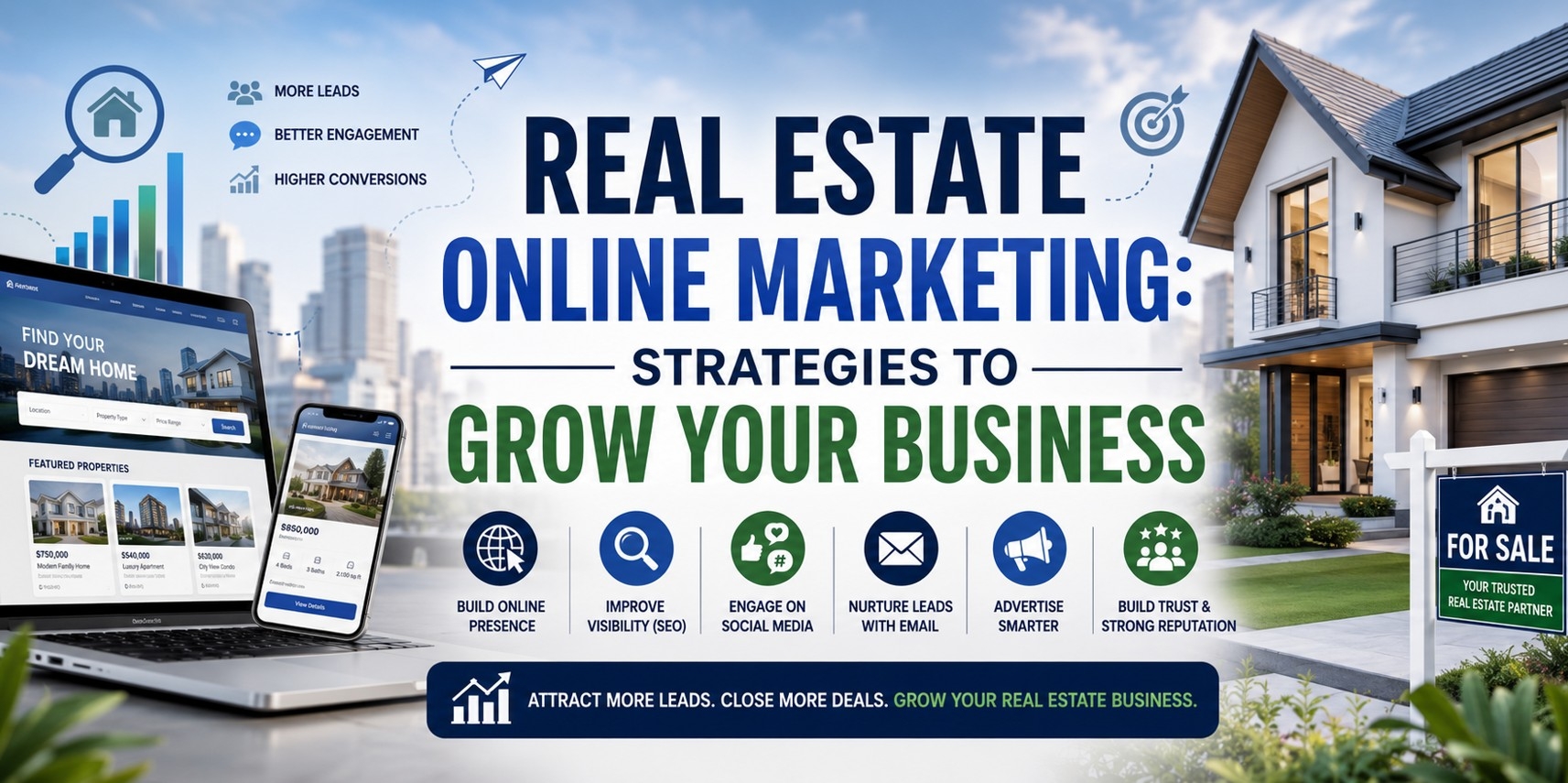
The real estate industry has undergone a significant transformation in recent years. With buyers and sellers relying heavily on digital platforms to research properties, compare options, and connect with agents, online marketing has become an essential component of success in the real estate sector. Businesses that embrace digital strategies can attract qualified leads, build trust, and stay ahead of the competition.
Real estate online marketing is more than simply posting property listings on websites. It involves creating a strong digital presence, engaging potential clients, and using data driven strategies to increase visibility and conversions. Understanding the key elements of online marketing can help real estate professionals maximize their results and achieve sustainable growth.
Why Online Marketing Matters in Real Estate
Modern property buyers begin their search online long before contacting an agent. They browse listings, read reviews, compare neighborhoods, and gather information about the market. If a real estate business lacks a strong online presence, it risks losing valuable opportunities to competitors who are more visible online.
Effective online marketing helps real estate professionals reach a larger audience, establish credibility, and nurture relationships with potential clients. It also allows businesses to target specific demographics and geographic locations, ensuring marketing efforts are directed toward the most relevant prospects.
Building a Professional Website
A professional website serves as the foundation of any successful real estate marketing strategy. It acts as a digital storefront where potential buyers and sellers can learn about services, browse available properties, and contact agents.
A well designed website should be mobile friendly, easy to navigate, and optimized for fast loading speeds. High quality property descriptions, clear contact information, and engaging content can significantly improve user experience. Including client testimonials and market insights can further enhance credibility and trust.
Search engine optimization, commonly known as SEO, should also be integrated into the website structure. Optimized pages help improve rankings on search engines, making it easier for potential clients to discover the business online.
Leveraging Search Engine Optimization
SEO plays a critical role in real estate online marketing. By targeting relevant keywords such as local property searches, home buying tips, and real estate services, businesses can increase their visibility in search engine results.
Creating informative blog posts is one of the most effective SEO strategies. Articles covering market trends, neighborhood guides, property investment advice, and home selling tips can attract organic traffic and establish industry authority.
Local SEO is particularly important for real estate professionals. Optimizing business profiles, collecting customer reviews, and using location specific keywords can improve visibility among people searching for properties in a particular area.
The Power of Social Media Marketing
Social media platforms have become valuable tools for real estate marketing. They provide opportunities to showcase listings, share market updates, and interact directly with potential clients.
Consistent posting helps keep audiences engaged and informed. Property photos, virtual tours, success stories, and educational content often perform well across social channels. Real estate professionals can also use social media advertising to target users based on location, interests, and purchasing behavior.
Building an active social media presence allows businesses to strengthen relationships with their audience while increasing brand recognition and trust.
Email Marketing for Client Retention
Email marketing remains a powerful strategy for maintaining communication with prospects and existing clients. Personalized email campaigns can keep subscribers informed about new listings, market updates, and special opportunities.
Regular newsletters help businesses stay top of mind while building long term relationships. Automated email sequences can also guide leads through the buying or selling process, increasing the likelihood of conversion.
The key to successful email marketing is delivering relevant and valuable content rather than overwhelming recipients with constant promotional messages.
Online Advertising for Faster Results
While organic marketing strategies are important, paid advertising can accelerate growth and lead generation. Search engine advertising and social media campaigns allow real estate businesses to reach highly targeted audiences.
Paid advertisements can promote property listings, open houses, and special services. With proper targeting and optimization, businesses can generate high quality leads and achieve measurable returns on investment.
Monitoring campaign performance and adjusting strategies based on data helps maximize advertising effectiveness and reduce unnecessary spending.
Managing Online Reputation
Online reviews and testimonials significantly influence purchasing decisions in the real estate market. Positive feedback can build trust and encourage potential clients to take the next step.
Real estate professionals should actively encourage satisfied clients to leave reviews and respond professionally to feedback. A strong online reputation can differentiate a business from competitors and strengthen its credibility.
Transparency, responsiveness, and excellent customer service all contribute to maintaining a positive digital image.
Conclusion
Real estate online marketing is no longer optional in today's competitive marketplace. A comprehensive strategy that combines SEO, content marketing, social media engagement, email campaigns, and online advertising can help businesses attract more leads and build lasting client relationships.
By investing in a strong digital presence and consistently delivering value to potential customers, real estate professionals can position themselves for long term success. As consumer behavior continues to evolve, businesses that embrace innovative online marketing techniques will be better equipped to thrive in the modern real estate landscape.
Frequently Asked Questions
What is real estate online marketing?
Real estate online marketing refers to the use of digital channels such as websites, search engines, social media platforms, email campaigns, and online advertising to promote real estate services and attract potential buyers and sellers.
Why is SEO important for real estate businesses?
SEO helps real estate websites rank higher in search engine results, increasing visibility and driving organic traffic from people actively searching for properties and real estate services.
Which social media platforms are best for real estate marketing?
Popular platforms include Facebook, Instagram, LinkedIn, and YouTube. These channels allow businesses to showcase properties, share valuable content, and connect with potential clients.
How can email marketing help real estate agents?
Email marketing helps agents stay connected with prospects and past clients by sharing market updates, property listings, and valuable information that encourages engagement and future business.

