


How Gynecologists Diagnose and Treat Endometriosis
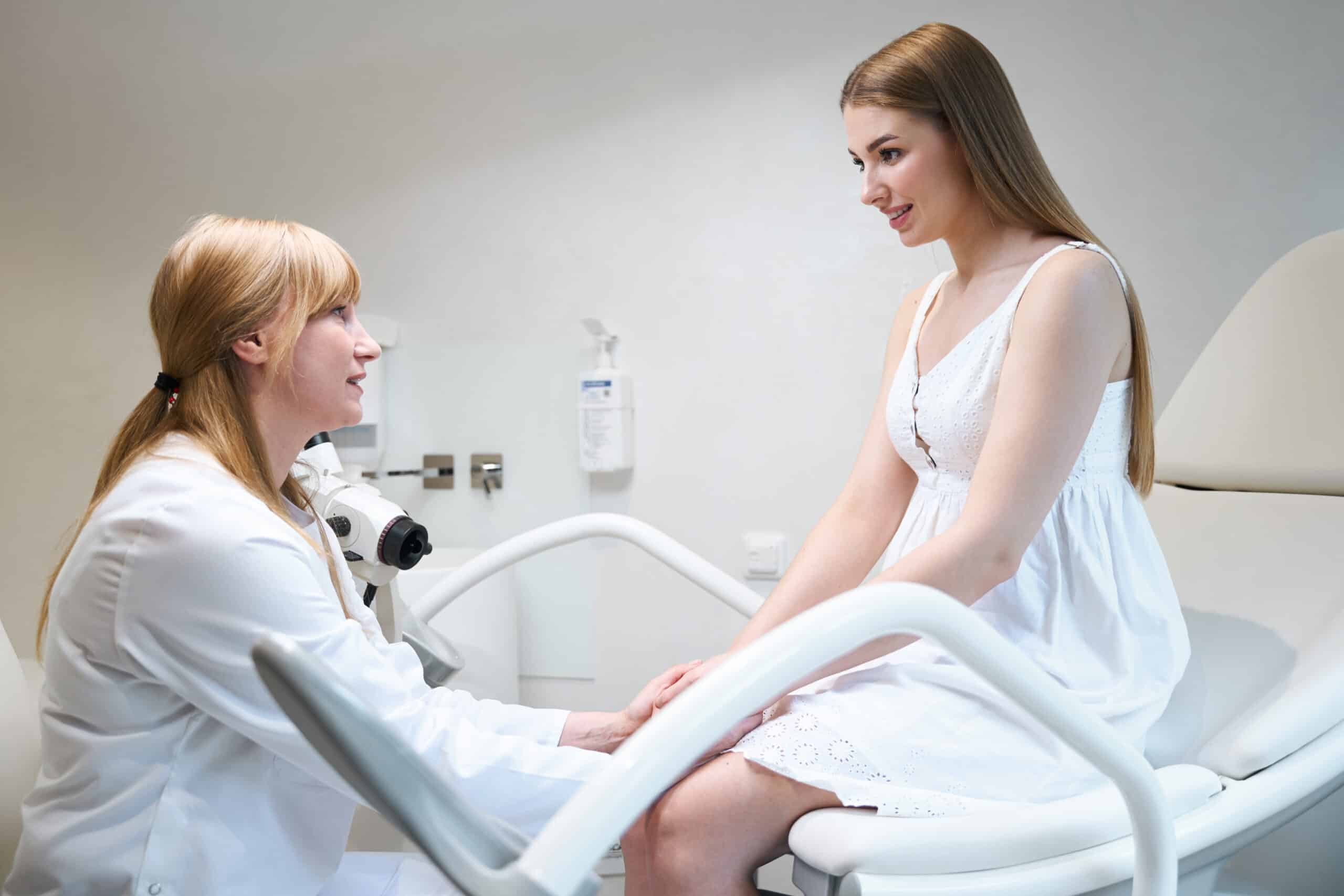
Endometriosis is a chronic gynecological condition that affects millions of women worldwide, often causing severe pain, menstrual irregularities, and fertility challenges. Despite being common, it is frequently underdiagnosed due to overlapping symptoms with other conditions. Early evaluation by a specialist is essential for effective management. Consulting a Gynecologist Riyadh helps women receive accurate diagnosis, personalized treatment plans, and long-term care strategies that improve quality of life and reproductive health outcomes.
Understanding Endometriosis:
Endometriosis occurs when tissue similar to the lining of the uterus grows outside the uterus, commonly affecting the ovaries, fallopian tubes, and pelvic lining. This misplaced tissue responds to hormonal changes, leading to inflammation, pain, and sometimes scar tissue formation. The severity of symptoms does not always match the extent of the condition, making diagnosis challenging.
Common Symptoms of Endometriosis:
Endometriosis symptoms can vary widely, and some women may experience severe discomfort while others have mild or no noticeable signs. Recognizing early symptoms is key to seeking timely medical care.
Common symptoms include:
- Severe menstrual cramps
- Chronic pelvic pain
- Pain during or after intercourse
- Heavy or irregular periods
- Painful bowel movements or urination
- Fatigue and low energy
- Infertility or difficulty conceiving
Causes and Risk Factors:
The exact cause of endometriosis is not fully understood, but several theories suggest hormonal, genetic, and immune system factors may contribute. Certain women are more likely to develop the condition based on their medical and family history.
Risk factors include:
- Family history of endometriosis
- Early onset of menstruation
- Short menstrual cycles
- Heavy or prolonged periods
- Delayed pregnancy
- Hormonal imbalance
How Gynecologists Diagnose Endometriosis:
Diagnosing endometriosis requires a combination of clinical evaluation, imaging, and sometimes surgical procedures. Gynecologists carefully assess symptoms and rule out other conditions with similar presentations.
Diagnostic steps include:
- Detailed medical history review
- Pelvic examination
- Ultrasound imaging
- MRI scans (in complex cases)
- Laparoscopy (gold standard for diagnosis)
- Hormonal evaluations
Role of Pelvic Examination:
A pelvic exam helps gynecologists identify areas of tenderness, nodules, or abnormalities in the reproductive organs. While it may not confirm endometriosis on its own, it provides important clues for further testing.
Imaging Tests for Detection:
Imaging plays a key role in identifying ovarian endometriomas (cysts) and other structural abnormalities. Ultrasound and MRI scans help visualize affected tissues and guide treatment decisions.
Laparoscopy as the Gold Standard:
Laparoscopy is a minimally invasive surgical procedure that allows direct visualization of endometrial tissue outside the uterus. It is considered the most accurate method for confirming endometriosis and may also allow for treatment during the same procedure.
Staging of Endometriosis:
Once diagnosed, endometriosis is classified into stages based on severity, location, and extent of tissue growth. This helps guide treatment decisions and predict outcomes.
Stages include:
- Stage I: Minimal
- Stage II: Mild
- Stage III: Moderate
- Stage IV: Severe
Medical Treatment Options:
Treatment for endometriosis focuses on relieving pain, slowing disease progression, and improving fertility when needed. Gynecologists develop individualized treatment plans based on symptom severity and patient goals.
Medical treatments include:
- Pain relief medications (NSAIDs)
- Hormonal therapy
- Birth control pills
- Progestin therapy
- Gonadotropin-releasing hormone (GnRH) agonists
- Anti-inflammatory medications
Hormonal Therapy for Symptom Control:
Hormonal treatments aim to reduce or eliminate menstruation, thereby slowing the growth of endometrial tissue. These therapies help manage pain and prevent disease progression in many patients.
Surgical Treatment Options:
In cases where symptoms are severe or fertility is affected, surgery may be recommended. Laparoscopic surgery can remove or destroy endometrial lesions and scar tissue.
Surgical approaches include:
- Laparoscopic excision
- Laparoscopic ablation
- Removal of ovarian cysts
- Adhesion removal
- In severe cases, hysterectomy (rare and last resort)
Fertility Management in Endometriosis:
Endometriosis can affect fertility by damaging reproductive organs or interfering with ovulation. Gynecologists provide fertility-focused treatments to improve conception chances.
Fertility options include:
- Ovulation induction medications
- Intrauterine insemination (IUI)
- In vitro fertilization (IVF)
- Surgical correction of anatomical issues
- Hormonal regulation therapy
Pain Management Strategies:
Pain is one of the most challenging symptoms of endometriosis. Gynecologists use a combination of medical and lifestyle approaches to help patients manage chronic discomfort.
Pain relief methods include:
- NSAIDs for inflammation
- Heat therapy
- Physical therapy
- Hormonal suppression
- Relaxation techniques
- Dietary adjustments
Lifestyle Changes to Support Treatment:
Lifestyle modifications can significantly improve symptom control and overall well-being. Gynecologists often recommend holistic approaches alongside medical treatment.
Helpful changes include:
- Anti-inflammatory diet
- Regular exercise
- Stress reduction techniques
- Adequate sleep
- Avoiding processed foods
- Maintaining healthy weight
Emotional and Psychological Impact:
Endometriosis can have a strong emotional impact due to chronic pain and fertility concerns. Gynecologists often address mental health as part of comprehensive care.
Common emotional challenges include:
- Anxiety and stress
- Depression symptoms
- Fatigue and burnout
- Reduced quality of life
- Emotional frustration due to chronic pain
Importance of Early Diagnosis:
Early diagnosis helps reduce complications and improve treatment outcomes. It allows timely intervention, better pain management, and improved fertility planning.
Long-Term Management of Endometriosis:
Endometriosis is a chronic condition that requires ongoing management rather than a one-time cure. Regular follow-ups help monitor symptoms and adjust treatment plans as needed.
Role of Gynecologists in Ongoing Care:
Gynecologists provide continuous care by tracking symptoms, adjusting medications, and recommending appropriate interventions. Their role is essential in improving long-term quality of life.
When to See a Gynecologist:
Women should seek medical attention if they experience persistent or severe symptoms that interfere with daily life or reproductive health.
Warning signs include:
- Severe menstrual pain
- Chronic pelvic discomfort
- Difficulty conceiving
- Pain during intercourse
- Heavy or irregular bleeding
- Gastrointestinal symptoms during periods
Final Thoughts
Endometriosis is a complex condition that requires careful diagnosis and individualized treatment to manage symptoms effectively. With the right medical approach, women can significantly improve their quality of life and fertility outcomes. Regular consultation with a trusted Gynecologist Riyadh ensures accurate diagnosis, advanced treatment options, and ongoing support for long-term management. Early intervention and consistent care remain the key to controlling endometriosis and maintaining reproductive health.

