


The Transformative Power of Art Therapy and Creative Therapy for Emotional Well-Being
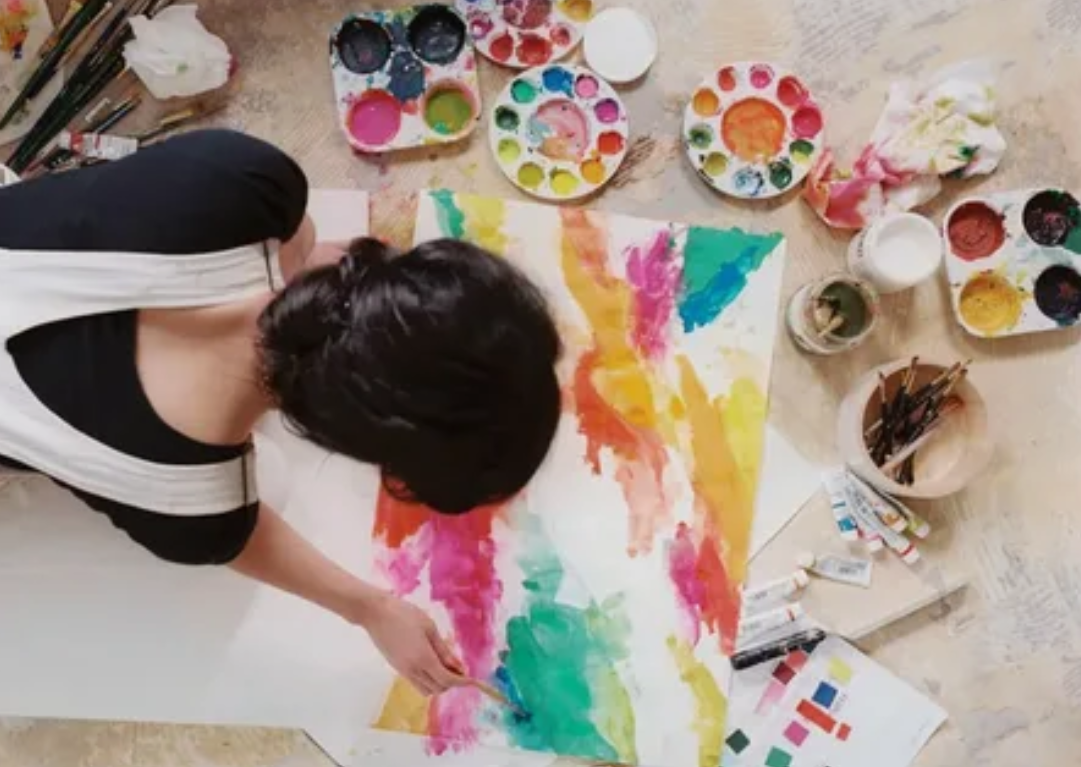
In today’s fast-paced world, many people struggle with stress, anxiety, depression, trauma, and emotional challenges. While traditional talk therapy remains highly effective, alternative therapeutic approaches have gained significant recognition for their ability to promote healing and self-discovery. Among these approaches, Art Therapy and Creative Therapy stand out as powerful tools that help individuals express emotions, improve mental health, and enhance overall well-being.
By utilizing artistic expression and creative activities, these therapies provide unique pathways for communication, healing, and personal growth. Whether working with children, adults, seniors, or individuals facing mental health challenges, art and creativity can unlock emotions and experiences that may be difficult to express through words alone.
Understanding Art Therapy
Art Therapy is a specialized form of psychotherapy that combines artistic creation with therapeutic techniques. Conducted by trained art therapists, this approach uses drawing, painting, sculpting, collage-making, and other visual art forms to help individuals explore emotions, resolve conflicts, and improve psychological well-being.
The primary goal of Art Therapy is not to create a masterpiece but to encourage self-expression and emotional exploration. Participants are free to create artwork without judgment, allowing their thoughts and feelings to emerge naturally through the creative process.
Art Therapy is commonly used in various settings, including:
- Mental health clinics
- Hospitals and rehabilitation centers
- Schools and educational institutions
- Community wellness programs
- Private counseling practices
- Senior care facilities
Research has shown that engaging in artistic activities can reduce stress hormones, improve mood, and promote emotional resilience. The act of creating art often provides a sense of accomplishment and control, which can be particularly beneficial during challenging times.
What Is Creative Therapy?
Creative Therapy is a broader therapeutic approach that incorporates multiple forms of creative expression to support emotional, mental, and physical health. While Art Therapy focuses primarily on visual arts, Creative Therapy may include:
- Music therapy
- Dance and movement therapy
- Drama therapy
- Creative writing
- Storytelling
- Photography
- Crafts and hands-on activities
Creative Therapy encourages individuals to explore their inner experiences through imaginative and expressive activities. These methods help participants process emotions, develop coping skills, and improve communication in a supportive environment.
One of the strengths of Creative Therapy is its flexibility. Therapists can tailor activities to meet the unique needs, interests, and abilities of each individual, making it accessible to people of all ages and backgrounds.
The Benefits of Art Therapy and Creative Therapy
1. Emotional Expression
Many people find it difficult to put their feelings into words. Art Therapy and Creative Therapy provide alternative ways to communicate emotions such as sadness, anger, fear, joy, and hope.
Creative expression allows individuals to externalize their emotions, making them easier to understand and process. This can be especially valuable for children, trauma survivors, and individuals with communication difficulties.
2. Stress Reduction
Engaging in creative activities promotes relaxation and mindfulness. Drawing, painting, sculpting, or writing can help individuals focus on the present moment, reducing anxiety and stress.
The repetitive and immersive nature of artistic activities often creates a calming effect that supports emotional balance and mental clarity.
3. Improved Self-Awareness
Through creative exploration, individuals gain insight into their thoughts, behaviors, and emotional patterns. Artwork and creative projects often reveal subconscious feelings that may otherwise remain hidden.
This increased self-awareness can lead to healthier decision-making, stronger relationships, and greater emotional intelligence.
4. Enhanced Self-Esteem
Completing a creative project provides a sense of achievement and confidence. Participants often feel proud of their creations, regardless of artistic skill level.
Art Therapy and Creative Therapy encourage personal growth by emphasizing self-expression rather than perfection, helping individuals develop a positive self-image.
5. Trauma Recovery
Creative approaches are widely used to support trauma healing. Traumatic experiences can be difficult to verbalize, making traditional talk therapy challenging for some individuals.
Art and creativity offer safe, non-verbal ways to process painful memories and emotions. Through guided therapeutic activities, individuals can gradually work through trauma while building resilience and coping skills.
6. Better Communication Skills
Creative activities often serve as conversation starters and bridges for communication. Participants may find it easier to discuss their artwork or creative projects than to directly discuss their emotions.
This can improve communication between clients and therapists, family members, caregivers, and support networks.
Art Therapy for Children
Children often lack the vocabulary or emotional maturity to express complex feelings verbally. Art Therapy provides a natural and engaging outlet for emotional expression.
Through drawing, painting, clay modeling, and imaginative play, children can communicate experiences related to:
- Anxiety
- Family changes
- Bullying
- Grief and loss
- Behavioral challenges
- Developmental concerns
Art-based interventions help children build confidence, improve emotional regulation, and develop healthy coping strategies in a safe and supportive environment.
Creative Therapy for Adults
Adults face a wide range of stressors, including work pressures, relationship challenges, financial concerns, and health issues. Creative Therapy offers a constructive outlet for managing these difficulties.
Many adults find that creative activities help them reconnect with personal interests, reduce burnout, and gain fresh perspectives on life challenges. Whether through painting, journaling, music, or movement, creativity can foster emotional healing and personal fulfillment.
Creative Therapy is particularly beneficial for individuals experiencing:
- Anxiety disorders
- Depression
- Post-traumatic stress disorder (PTSD)
- Chronic illness
- Addiction recovery
- Life transitions
Supporting Seniors Through Creative Expression
Art Therapy and Creative Therapy also play an important role in senior wellness programs. Creative engagement can improve cognitive function, memory, social interaction, and emotional health among older adults.
For individuals living with dementia or Alzheimer's disease, creative activities may stimulate memories, reduce agitation, and enhance quality of life. Participating in artistic projects can provide meaningful opportunities for self-expression and connection.
Integrating Creativity Into Everyday Life
While professional therapy provides structured guidance, individuals can also benefit from incorporating creative practices into their daily routines.
Simple activities include:
- Keeping an art journal
- Coloring or sketching
- Writing poetry or stories
- Playing a musical instrument
- Photography
- Crafting projects
- Dancing or movement exercises
Regular creative engagement supports emotional wellness, reduces stress, and encourages mindfulness.
The Future of Art Therapy and Creative Therapy
As awareness of mental health continues to grow, Art Therapy and Creative Therapy are becoming increasingly recognized as valuable components of holistic healthcare. Schools, healthcare facilities, community organizations, and workplaces are integrating creative wellness programs to support emotional and psychological well-being.
Advancements in technology have also expanded access to creative therapeutic services through virtual sessions, digital art platforms, and online support programs. These innovations make therapy more accessible to individuals who may face barriers to traditional in-person care.
Conclusion
Art Therapy and Creative Therapy offer powerful and effective approaches to emotional healing, personal growth, and mental wellness. By encouraging self-expression through artistic and creative activities, these therapies help individuals process emotions, reduce stress, build confidence, and improve overall quality of life.
Whether supporting children, adults, or seniors, the transformative benefits of creativity extend far beyond artistic achievement. Through painting, music, writing, movement, and other forms of expression, individuals can discover new ways to heal, connect, and thrive. As society continues to embrace holistic mental health approaches, Art Therapy and Creative Therapy will remain valuable tools for fostering resilience, emotional well-being, and lifelong personal development.

