


Wheel Repair vs Replacement: Which to Choose
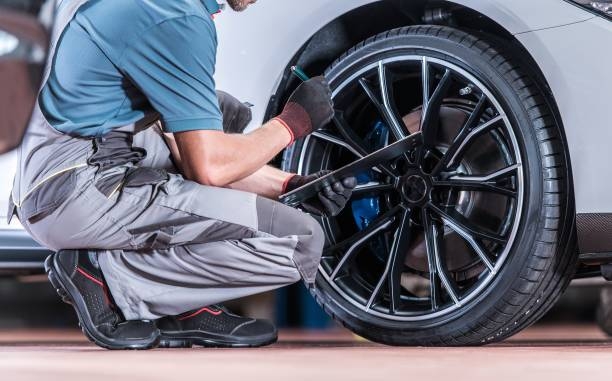
You hit a pothole, scrape a curb, or notice your car pulling to one side, and suddenly you're staring at a bent or scuffed wheel wondering what it's actually going to cost you. Repair or replace? Most people have no idea which is the smarter call, and that uncertainty can push them toward either overpaying for a new wheel they didn't need or, worse, driving around on a wheel that really should've been replaced. If you're somewhere around Huntington Beach, getting a proper inspection from a shop that handles Auto Wheel Repair Services in Huntington Beach CA is usually the fastest way to get a real answer. But before you make that call, here's what you should know so you're not walking in blind.
What Damage Can Actually Be Repaired?
Not all wheel damage looks the same, and not all of it responds to repair the same way. Curb rash is probably the most common thing people bring in. That's the scraping and gouging you get when a wheel rubs against a concrete curb, and in most cases it's purely cosmetic. A shop can sand, fill, and refinish the surface so it looks close to new. Bends are a different story, but many of them are still fixable. A single bend on the outer lip of an alloy wheel, for example, can often be rolled or pressed back into shape using a hydraulic machine without weakening the metal significantly.
Minor cracks near the outer edge sometimes qualify for repair too, depending on location and depth. But that's where things get more conditional. A hairline crack right on the lip is different from a crack running toward or through a spoke. The spoke area handles a huge amount of load stress, and any damage there usually means the wheel needs to go.
Structural fractures, severe warping across the face, and multiple cracks anywhere near the center bore are all automatic replacement territory. No reputable shop will patch those and send you back out on the road. That's not being overly cautious. That's just basic safety.
Steel vs. Alloy vs. Forged: Material Changes Everything
The type of wheel you have matters a lot here. Steel wheels are actually more forgiving when bent. They flex rather than crack, and they can often be hammered or pressed back into shape pretty cheaply. Alloy wheels, which are the standard on most cars today, are cast aluminum. They're lighter and look better, but aluminum doesn't bend the same way steel does. It can crack under stress rather than flex, which means a bend that seems minor might have already introduced invisible fractures.
Forged wheels are a different situation entirely. They're denser and stronger than cast alloy, so they tend to handle impacts better. But they're also expensive to replace, sometimes running $400 to $800 per wheel or more for performance vehicles. That cost alone makes repair worth exploring seriously, as long as the damage qualifies. Understanding how alloy wheels are manufactured and stressed helps explain why material type drives so many of these decisions.
Bottom line: steel wheels are easier and cheaper to repair. Cast alloy wheels are the most common and need careful evaluation before repair. Forged wheels often justify repair attempts because replacement is so pricey.
What Does Each Option Actually Cost?
Let's talk numbers, because this is usually what people actually want to know. Curb rash repair on a standard alloy wheel typically runs $75 to $150 per wheel, depending on severity. Bend repair usually falls in the $100 to $200 range. Crack repair, when it's even an option, can run $150 to $300 depending on how involved the work is.
Replacement costs vary a lot more. A basic steel wheel might cost $50 to $100. A standard alloy replacement for a typical sedan can run $150 to $400 per wheel, and that's before you factor in mounting, balancing, and possibly a new tire if the old one got damaged too. For luxury or performance vehicles, you're often looking at $500 to over $1,000 per wheel. So yeah, repair is almost always cheaper when it's safe to do it.
The mistake people make is assuming cheaper automatically means better. A $120 bend repair on a wheel that's structurally compromised is money thrown away, and it's also a safety risk. Always get a proper assessment first.
The Safety Question You Can't Skip
This part matters more than the cost comparison. A repaired wheel that doesn't meet the original manufacturer's tolerances can cause vibration, uneven tire wear, handling problems, and in serious cases, a blowout or sudden loss of control. Not trying to scare anyone. Just being straight about what's at stake.
A good wheel repair shop will use a dial indicator or runout gauge to check both lateral and radial runout after any repair. If the wheel doesn't fall within spec, it shouldn't go back on the car. Some shops also do a water submersion test on repaired cracks to check for air leaks before remounting the tire. If a shop can't tell you what their post-repair inspection process looks like, that's a reason to find a different shop.
At Auto Wheel Repair Huntington Beach CA shops worth their salt, you should be able to ask for the runout readings before and after the repair. That's not an unreasonable request. It's your car.
Questions to Ask Before You Commit
Whether you're leaning toward repair or replacement, there are a few things worth asking any technician directly. These questions aren't about being difficult. They're about making sure you're getting real information.
-
Does the repair come with a warranty? A reputable shop will back their work. Typical warranties on bend repairs run six months to a year.
-
Will the repaired wheel meet OEM runout specs? If they can't answer this clearly, walk away.
-
How long does the repair take? Most standard repairs are same-day or next-day. Refinishing work sometimes takes longer.
-
Is there any damage I can't see? Ask them to walk you through what they found during inspection, not just what they're fixing.
-
What happens if the repair doesn't hold? Know the policy before you pay.
If you're in the area and dealing with this right now, Sully's Auto Repair INC is one local option that handles both repair and replacement assessments, so you can get a straight answer without being pushed toward the more expensive option automatically.
When Replacement Is Just the Right Call
Sometimes the wheel is simply done. Structural cracks, severe warping, damage from a serious collision, wheels that have already been repaired once and bent again. These situations call for replacement, full stop. Trying to repair a wheel that's past the point of safe restoration isn't thrifty. It's dangerous.
For Auto Wheel Repair Huntington Beach CA customers specifically, the local driving conditions matter too. Coastal roads, beach parking lots with curbs, and highway potholes all add up over time. If a wheel has taken repeated hits, a technician might find cumulative fatigue damage that a single-incident repair wouldn't reveal. That's why inspection matters more than the visible damage alone.
And if replacement is the verdict, ask about matching your existing wheels before ordering. A single mismatched wheel can affect how the car handles, especially on all-wheel-drive vehicles where diameter differences between wheels can stress the drivetrain.
Frequently Asked Questions
Can a cracked alloy wheel be safely repaired?
Sometimes, yes. Hairline cracks near the outer lip can sometimes be welded and refinished by a skilled technician. But cracks near the spokes, center bore, or lug holes are generally not safe to repair. Always get an in-person inspection before assuming a crack qualifies.
How do I know if my wheel is bent badly enough to need replacement?
If you feel a persistent vibration at highway speed, notice uneven tire wear, or see visible damage to the wheel face, get it checked. A technician can measure runout with a gauge to tell you exactly how far out of spec the wheel is and whether it's within the range that repair can address.
Is it safe to drive on a bent wheel for a short time?
Honestly, it depends on how severe the bend is. A minor lip bend might be okay for a short drive to the shop. A significant bend can cause the tire to lose air pressure or seat unevenly, which is a real risk at highway speeds. Don't push it longer than you have to.
How long does a wheel repair typically last?
A properly done repair on a structurally sound wheel can last the life of the wheel. The repair itself isn't usually the weak point. What matters is whether the wheel had hidden damage that wasn't caught during inspection. That's why post-repair runout testing is so important.
Will a repaired wheel affect my car's warranty?
Most vehicle warranties don't cover wheels anyway since they're considered wear items. But if you have an extended warranty or a certified pre-owned plan, it's worth checking the terms. A repair done to OEM specifications by a qualified shop is unlikely to cause any issues, but read your paperwork to be sure.
The right choice between repair and replacement comes down to three things: the type and location of the damage, the material the wheel is made from, and whether a qualified technician can get it back to spec safely. Get the inspection done first, ask the right questions, and you'll make a much better call than guessing from the driveway.

