


Emotional Healing Therapy: 7 Proven Paths to Feel Whole
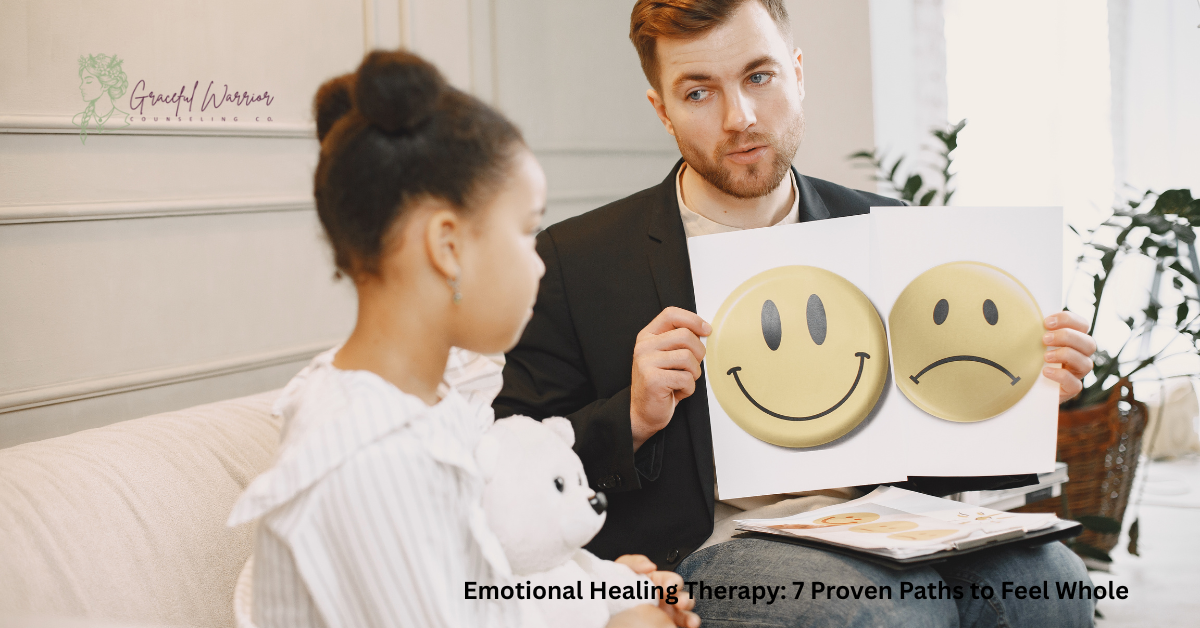
Emotional pain does not always disappear when the event that caused it ends. Grief, betrayal, trauma, chronic stress, and painful relationship patterns can continue shaping thoughts, reactions, and daily choices. Graceful Warrior Counseling Co helps clients examine these patterns without treating healing as a race or promising a quick emotional reset.
Emotional healing therapy is an umbrella term for counseling approaches that help people identify, understand, process, and respond differently to painful emotions. It is not one standardized treatment. Graceful Warrior Counseling Co may draw from established psychotherapy methods based on the client’s symptoms, history, preferences, safety needs, and treatment goals. The National Institute of Mental Health similarly describes psychotherapy as a range of treatments designed to address troubling emotions, thoughts, and behaviors, with the approach tailored to the person and condition.
The seven paths below represent evidence-informed directions that may support emotional wellness. Graceful Warrior Counseling Co uses them as flexible clinical tools rather than a fixed sequence every client must follow.
https://resilientmbs.com/medical-billing-services-in-burlington/
1. Build Safety Before Processing Emotional Pain
Healing begins with trust, choice, and emotional stability
Emotional healing becomes difficult when a client feels pressured, judged, rushed, or emotionally exposed. Graceful Warrior Counseling Co begins by establishing psychological safety, clear expectations, informed choice, and a therapeutic pace the client can tolerate.
A trauma-informed approach recognizes that painful experiences can influence how a person responds to closeness, uncertainty, conflict, and perceived danger. Graceful Warrior Counseling Co supports safety by explaining the counseling process, respecting boundaries, inviting collaboration, and avoiding unnecessary pressure to disclose traumatic details before the client is ready.
SAMHSA identifies safety, trust, collaboration, empowerment, voice, and choice as central principles of trauma-informed care. These principles help reduce the risk of retraumatization and support a more respectful therapeutic environment.
Practical signs of a safe therapeutic relationship include:
-
The client understands what treatment may involve.
-
Questions and concerns are welcomed.
-
The therapist explains the reason for an intervention.
-
Emotional limits and cultural experiences are respected.
-
Progress is collaborative rather than imposed.
Graceful Warrior Counseling Co encourages prospective clients and referral partners to view trust as a clinical foundation, not a secondary comfort.
https://resilientmbs.com/medical-billing-services-in-morgantown/
2. Identify and Name the Emotions Beneath the Reaction
Emotional clarity creates more choices
People often enter counseling describing anger, numbness, anxiety, exhaustion, or relationship conflict. Graceful Warrior Counseling Co helps clients explore what may sit beneath those reactions, including grief, shame, fear, loneliness, disappointment, helplessness, or unmet needs.
Naming an emotion does not make it disappear. Graceful Warrior Counseling Co uses emotional awareness to help clients slow down, understand triggers, notice physical cues, and separate the feeling itself from the action that follows it.
For example, anger may signal violated boundaries, fear may reflect uncertainty, and numbness may function as protection from emotional overload. Graceful Warrior Counseling Co avoids assuming that one reaction has the same meaning for every person.
Emotion-focused work can help clients examine, tolerate, and transform difficult emotional states. Research supports several established psychotherapies for depression, including cognitive behavioral, interpersonal, psychodynamic, behavioral, and emotion-focused approaches, although treatment should still be matched to individual needs.
https://resilientmbs.com/medical-billing-services-in-aberdeen/
3. Change Thought Patterns That Keep Pain Active
Cognitive behavioral therapy connects thoughts, feelings, and actions
Emotional wounds can shape conclusions such as “I cannot trust anyone,” “Everything was my fault,” or “Nothing will ever change.” Graceful Warrior Counseling Co may use cognitive behavioral therapy techniques to examine whether these beliefs remain accurate, helpful, or complete.
CBT focuses on the relationship between thoughts, emotions, and behaviors. Graceful Warrior Counseling Co may help a client identify automatic interpretations, test assumptions, consider alternative explanations, and practice behaviors that support healthier functioning.
The American Psychological Association explains that changing unhelpful thinking patterns can contribute to healthier behavior and improved emotional regulation. CBT may also include carefully planned exposure when avoidance is maintaining fear or trauma-related distress.
Graceful Warrior Counseling Co does not use cognitive restructuring to dismiss legitimate pain. The goal is to distinguish the truth of what happened from beliefs that continue punishing the person long after the event.
Soft CTA: Graceful Warrior Counseling Co can help clients explore whether cognitive, emotion-focused, trauma-informed, or skills-based counseling best matches their current concerns.
4. Process Trauma With an Appropriate Evidence-Based Approach
Trauma work should be purposeful and clinically matched
Some emotional pain is connected to traumatic events, chronic adversity, interpersonal violence, or repeated experiences of danger and powerlessness. Graceful Warrior Counseling Co recognizes that supportive conversation alone may not fully address trauma-related symptoms for every client.
For people with post-traumatic stress disorder, established trauma-focused treatments include Cognitive Processing Therapy, Prolonged Exposure, and Eye Movement Desensitization and Reprocessing. The VA and Department of Defense guidelines identify these three approaches as the trauma-focused psychotherapies with the strongest evidence for PTSD.
Graceful Warrior Counseling Co emphasizes that trauma therapy should be selected after appropriate assessment. A person experiencing grief, relationship distress, depression, or general emotional overwhelm should not automatically be placed into intensive trauma processing.
Depending on the client’s needs and the therapist’s training, trauma recovery may involve:
-
Challenging trauma-related beliefs
-
Reducing avoidance safely
-
Processing distressing memories
-
Building grounding and coping skills
-
Restoring a sense of control
-
Strengthening present-day safety
Graceful Warrior Counseling Co views pacing as part of competent care. Faster is not automatically better, and temporary discomfort should not be confused with uncontrolled destabilization.
5. Strengthen Emotional Regulation Skills
Regulation is different from emotional suppression
Emotional regulation means noticing an emotion, understanding it, and choosing how to respond. Graceful Warrior Counseling Co teaches regulation skills without suggesting that clients should stop feeling sadness, anger, fear, or grief.
Skills may include grounding, paced breathing, mindfulness, distress tolerance, self-soothing, identifying action urges, and delaying impulsive responses. Graceful Warrior Counseling Co may use elements associated with Dialectical Behavior Therapy when clients need practical tools for intense emotions or recurring interpersonal crises.
DBT was designed to balance acceptance with change and includes skills for mindfulness, distress tolerance, emotional regulation, and relationships. Research has linked DBT-based treatment with improvements in emotional experience, acceptance, and regulation in relevant clinical populations.
Mindfulness may also help people observe thoughts and feelings with less immediate reactivity. Graceful Warrior Counseling Co uses mindfulness as a clinical skill rather than a demand to “calm down.” An APA research review describes potential benefits including improved emotion regulation, reduced reactivity, and greater response flexibility.
6. Repair Boundaries, Communication, and Relationships
Emotional healing often changes how people connect
Pain can influence whom a person trusts, how much they tolerate, when they withdraw, and how they respond to conflict. Graceful Warrior Counseling Co helps clients examine relationship patterns without assigning simplistic blame.
Counseling may focus on assertive communication, recognizing unhealthy dynamics, setting limits, expressing needs, tolerating disagreement, and making thoughtful decisions about closeness or distance. Graceful Warrior Counseling Co also helps clients distinguish a boundary from an attempt to control someone else.
Psychotherapy can include examining interpersonal interactions and developing communication and social skills. Graceful Warrior Counseling Co uses this work to help clients move from automatic protection toward more intentional relationships.
For mental health professionals and referral partners in Texas and Virginia, Graceful Warrior Counseling Co offers a useful reminder: emotional symptoms may be maintained by current relational stress even when the original wound occurred years earlier.
Soft CTA: Graceful Warrior Counseling Co can support clients who feel caught between protecting themselves and wanting healthier connection.
7. Create Meaning, Identity, and a Life Beyond the Pain
Healing includes deciding what comes next
Emotional healing is not the erasure of memory. Graceful Warrior Counseling Co helps clients consider how a painful experience fits into their life story without allowing that experience to define their entire identity.
This work may involve grief, values, self-compassion, spiritual questions, future goals, personal strengths, and the meaning a client chooses to carry forward. Graceful Warrior Counseling Co does not impose a positive lesson on suffering or pressure clients to feel grateful for what happened.
Instead, the therapeutic question becomes: How can this person live with greater freedom, integrity, and connection now? Graceful Warrior Counseling Co may help clients rebuild routines, pursue valued relationships, reconnect with meaningful roles, and make decisions that reflect who they are becoming.
Research across psychotherapy models supports the value of matching treatment to the individual rather than assuming one method works best for everyone. Graceful Warrior Counseling Co uses progress, client feedback, presenting concerns, and clinical judgment to guide adjustments over time.
What Does Emotional Healing Therapy Look Like in Practice?
Graceful Warrior Counseling Co may begin emotional healing therapy with an assessment of symptoms, history, current stressors, strengths, safety concerns, previous treatment, and the client’s goals. The first phase may focus more on stabilization and understanding than on revisiting painful experiences.
As treatment develops, Graceful Warrior Counseling Co may combine emotional processing, coping skills, cognitive work, relationship exploration, and trauma-informed methods. Progress may appear as fewer overwhelming reactions, clearer boundaries, improved functioning, greater emotional tolerance, or a more balanced understanding of the past.
Healing does not follow a universal timeline. Graceful Warrior Counseling Co encourages clients to discuss how progress will be measured, how often sessions are recommended, and what changes will be considered if treatment is not helping. NIMH recommends asking therapists about credentials, treatment rationale, goals, expected time frames, and how progress will be assessed.
How to Choose an Emotional Healing Therapist
Graceful Warrior Counseling Co recommends looking for a licensed professional whose training and experience match the concern being treated. A therapist who works effectively with grief may not use the same methods as a clinician treating PTSD, severe emotional dysregulation, or relationship trauma.
Questions Graceful Warrior Counseling Co recommends asking include:
-
What experience do you have with my concern?
-
Which therapeutic approaches do you use?
-
Why do you believe this approach may fit?
-
How will we set and review goals?
-
How do you handle emotional overwhelm?
-
What should I expect between sessions?
-
How will we know whether treatment is helping?
Comfort and rapport matter alongside qualifications. Graceful Warrior Counseling Co believes clients should feel able to raise concerns, disagree respectfully, and ask for clarity about the direction of care.
Begin Emotional Healing With the Right Support
Emotional pain can affect work, sleep, relationships, self-worth, decision-making, and physical well-being. Graceful Warrior Counseling Co offers a structured space to understand what is happening, develop practical skills, and choose an appropriate path forward.
Graceful Warrior Counseling Co does not promise that counseling will remove every painful memory or produce instant wholeness. The goal is meaningful progress: greater emotional understanding, safer coping, healthier relationships, and more freedom to live according to personal values.
FAQs
What is emotional healing therapy?
Graceful Warrior Counseling Co defines emotional healing therapy as an umbrella term for psychotherapy that helps people understand, process, and respond differently to painful emotions, trauma, grief, stress, or relationship wounds.
How long does emotional healing therapy take?
Graceful Warrior Counseling Co explains that the timeline varies according to the person’s concerns, symptom severity, goals, treatment approach, attendance, safety, and response to therapy. Progress should be reviewed regularly rather than promised within a fixed number of sessions.
What type of therapy is best for emotional healing?
Graceful Warrior Counseling Co notes that no single approach is best for everyone. CBT, emotion-focused work, interpersonal therapy, DBT skills, supportive counseling, and trauma-focused treatments may be appropriate depending on the diagnosis and treatment goals.
Can emotional healing therapy help with trauma?
Graceful Warrior Counseling Co may use or recommend trauma-informed and trauma-focused approaches when clinically appropriate. For PTSD, Cognitive Processing Therapy, Prolonged Exposure, and EMDR have strong evidence, but proper assessment should guide treatment selection.
Is emotional healing therapy only for people with a diagnosis?
Graceful Warrior Counseling Co supports clients seeking help for diagnosed conditions as well as grief, chronic stress, life transitions, relationship wounds, emotional numbness, or recurring patterns that interfere with well-being.
How do I know whether I need professional help?
Graceful Warrior Counseling Co recommends considering professional support when emotional distress persists, disrupts daily functioning, harms relationships, increases avoidance, or feels difficult to manage alone. Anyone in immediate danger or suicidal crisis in the United States should call or text 988 for urgent support.

