


How to Prepare a Construction Site?
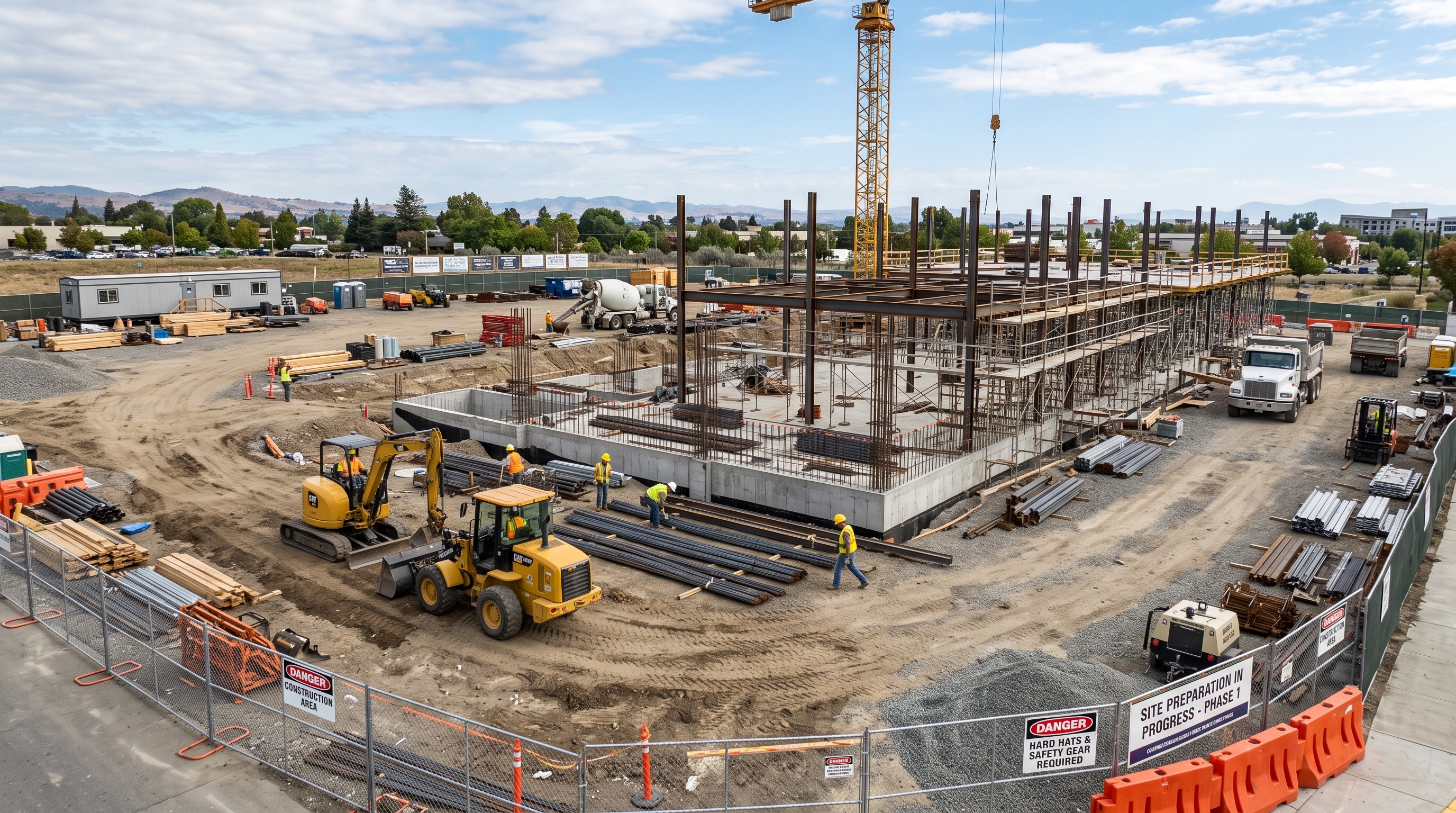
There is almost a 62% delay in construction projects as a result of poor preparation of the site. The efficiency, safety, and adherence to regulations can be upheld at the beginning with proper planning. The process of preparing a construction site includes assessment of soil and topography, clearing and grading of the site, utility and permit checks in place and safety and environmental measures.
In the absence of such knowledge, the construction teams are prone to wasting millions of dollars in terms of delays and accidents. It involves surveying of the site, clearing and utility coordination. This process includes step-by-step preparation guidelines in order to commence construction in an effective and safe way.
Understanding Construction Site Preparation
The preparation of a construction site is the key to a successful construction project. It makes the land conducive, secure, and fit to carry out construction works. The preparation of the site does not only involve clearing of land, but it also involves soil analysis, zoning regulations, drainage design, and environmental regulations.
When well prepared, the chances of structural failures, erosion and unbudgeted costs are minimised. As an example, poor soil testing could result in instability of the foundation in the future, which can stop a project.
Moreover, proper site documentation will enable estimating services to make accurate project projections, underlining such key services as labour examination, material planning, and regulatory support.
Step 1: Site Survey And Assessment
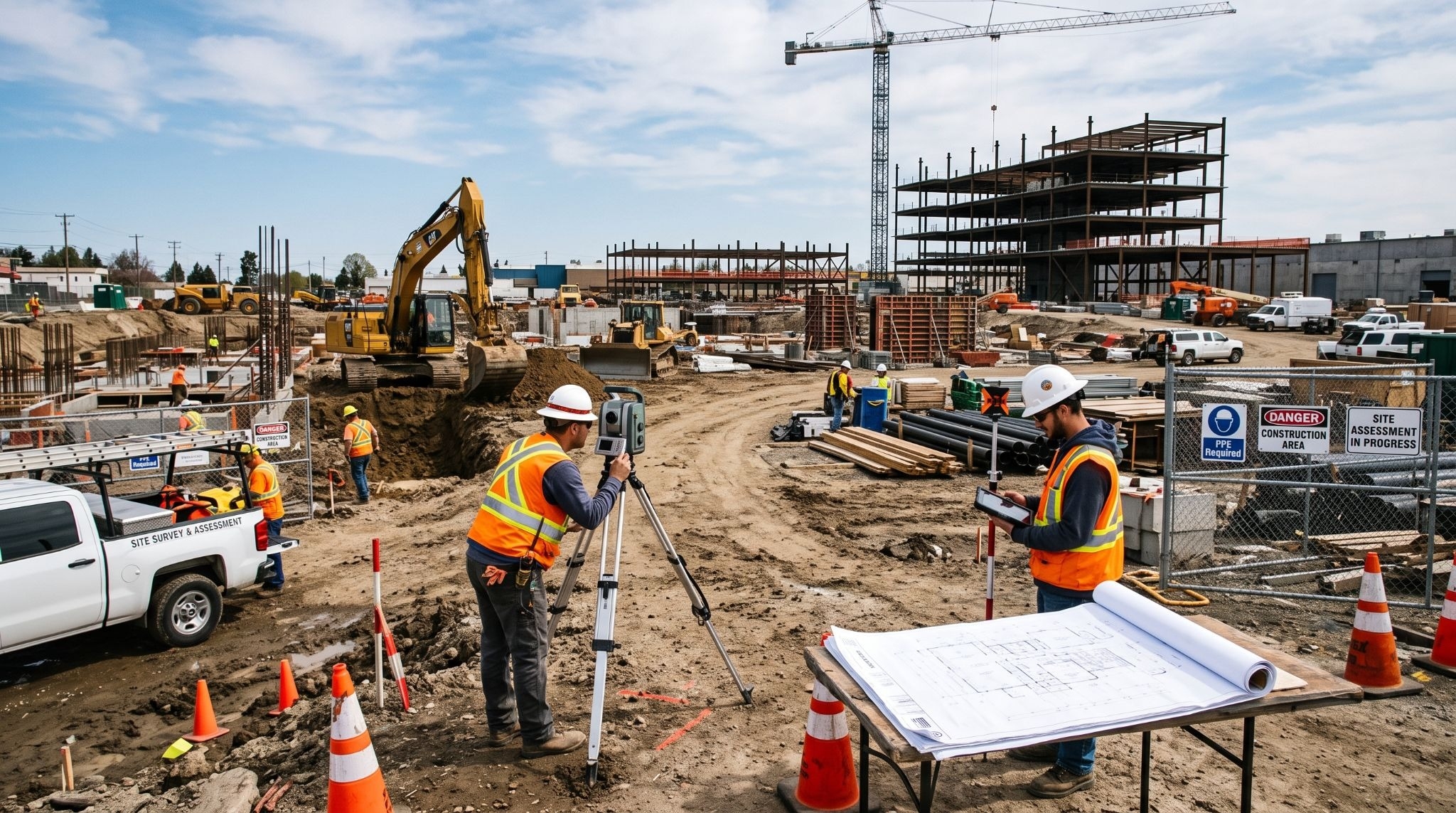
The initial step is carrying out an elaborate site survey. The topography of the land is mapped, natural features are identified, and obstacles are located by the surveyors.
They also ensure that soil stability, water table, and any flood-prone areas are checked. The use of surveying provides the proper boundaries of the sites and observance of zoning laws.
As an illustration, a survey can expose land of uneven terrain which may need to be graded or cleared off, such as the presence of large rocks.
Load-bearing capacity, contamination, or drainage issues are determined through soil testing. When this step is not taken into consideration, it may lead to a problem with the foundation or lawsuits.
Step 2: Procuring Permit and Regulatory Approvals
It is important to obtain all the permits that are required before they start on physical work. Some of the permits include:
- Construction zoning
- Environmental compliance
- Local building codes
The regulatory approvals can be:
- Erosion control plans
- Stormwater management
- Heritage site restrictions
Lack of acquisition of the appropriate permits may attract fines or work stoppages. As an example, a municipal government could close an excavation in the case where there are no soil erosion measures.
The preparation of permit applications needs proper site plans, environmental reports and technical documentation.
Step 3: Clearing and Grading of the Land
Land clearing entails the removal of vegetation, debris, and constructions that hinder construction. Old foundations, trees and bushes should be properly disposed of as per the environmental law.
Grading is either done to remove clearance, after which the land is formed to allow proper drainage and to create a stable base.
- Properly graded water will not stagnate and weaken the structure
- Sloppy grading prevents water accumulation near the foundation
- Reduces the risk of soil erosion and water damage
Step 4: Set-up of Temporary Facilities
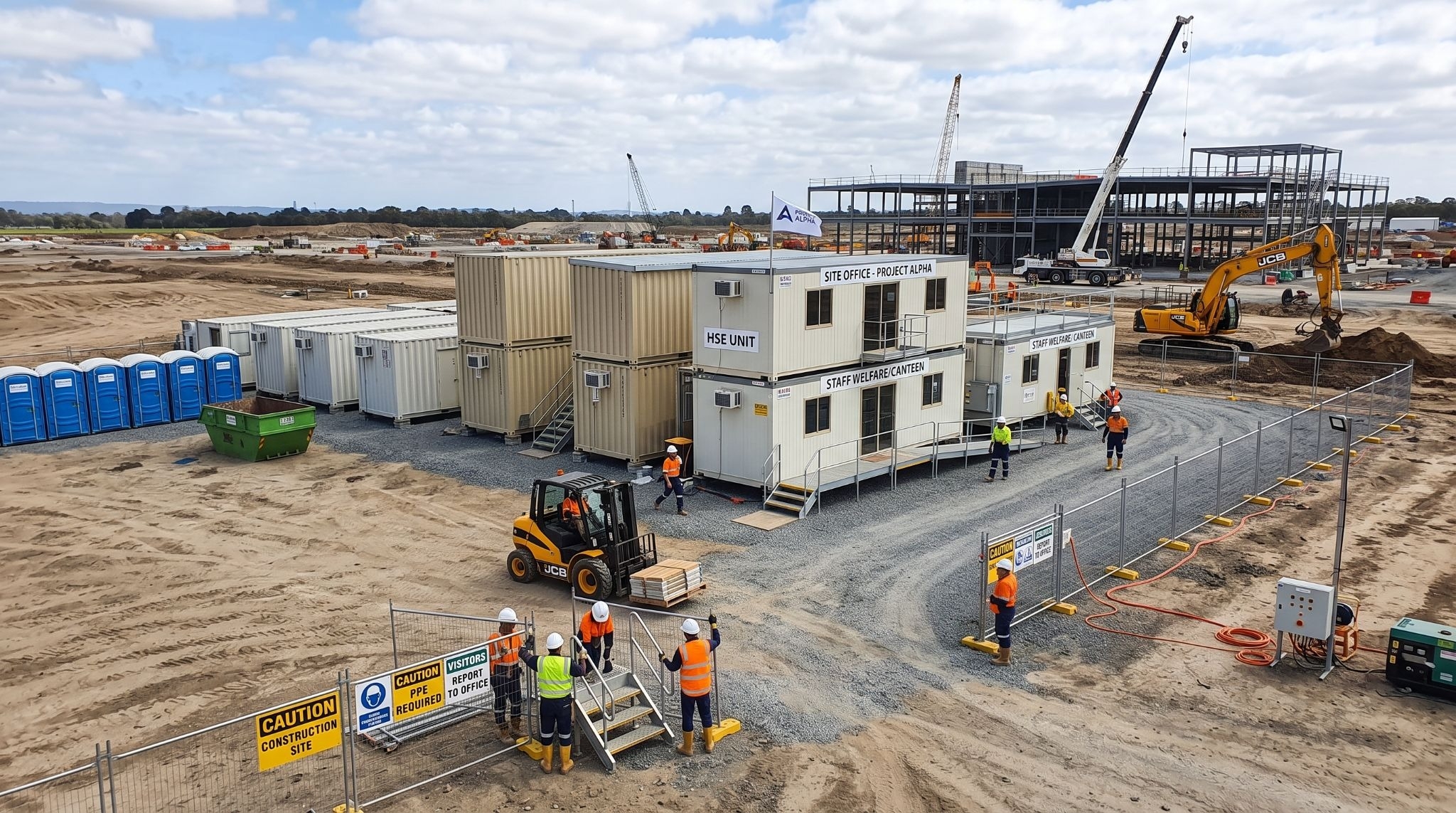
A construction site is well prepared, which consists of temporary infrastructure. This can include:
- Access roads
- Storage facilities
- Fencing
- Site offices
The creation of these facilities guarantees effective logistics and the security of workers. Temporary roads assist in transporting materials and moving heavy machinery, while fencing regulates unauthorised entry.
Adequate storage area arrangement helps avoid material damage and accidents. Also, short-term utility systems such as water and electricity can be put in place to aid construction activities.
Step 5: Utility Coordination
Utility planning is necessary to prevent conflicts in construction. This involves checking the site for:
- Water lines
- Gas lines
- Electrical pipes
- Sewer pipes
Coordinating with utility providers ensures safe excavation and installation. Undetected underground utilities may lead to delays, injuries, or expensive repairs. Accurate piping cost estimation, combined with mapping all utilities, also allows construction managers to schedule excavation and foundation work efficiently.
Step 6: The Adoption of Safety and Environmental Controls
Construction sites involve various hazards, so safety planning is essential. Safety measures include:
- Worker training
- Signage
- Emergency procedures
- Personal protective equipment (PPE)
Environmental controls include:
- Erosion prevention
- Sediment control
- Dust or noise pollution reduction
For example, using silt fences and sediment basins stops soil runoff into adjacent water bodies. Compliance with occupational health standards minimises accidents and legal liabilities.
Step 7: Preparation of Soil and Foundation
The soil can be graded and stabilised to sustain construction loads. Methods include:
- Compaction
- Chemical stabilization
- Geotextile reinforcement
A stable soil base ensures proper foundation installation and prevents settlement or shifting. Foundation preparation also includes:
- Marking excavation locations, levelling the surface
- Developing drainage solutions
Small-sized soil under concrete slabs reduces cracking and uneven settling over time.
Step 8: Drainage and Erosion Control
Proper drainage prevents water pooling and soil erosion that can damage structures. Drainage systems include:
- Trenches
- Retention basins
- Surface grading
Regular inspections during site preparation ensure foundations are not compromised. Planting vegetation buffers or temporary barriers further protects the site and the surrounding environment.
Step 9: Site Inspection and Verification
A final inspection ensures all preparatory work is complete before actual construction. Check:
- Grading
- Utility placements
- Temporary structures
- Safety measures
Documenting compliance with regulations and engineering standards reduces the likelihood of delays or unexpected problems. For example, ensuring access roads accommodate heavy machinery prevents operational bottlenecks.
General Problems in the Preparation of Construction Sites
Common challenges include:
- Soil conditions: Hard rock or loose soil requiring additional stabilisation
- Weather effects: Rain or snow slows clearing and grading work
- Regulatory alterations: Changes in environmental rules requiring plan adjustments
- Undocumented utilities: Hidden pipelines or cables interfering with excavation
Addressing these issues beforehand ensures smoother project execution and avoids costly delays.
Conclusion
Adequate training in preparing a construction site is crucial for safe, efficient, and compliant construction. From site surveys to soil stabilisation, every step reduces risk and supports project success.
A systematic approach ensures the land is ready for excavation, foundation work, and overall implementation. Safety, environmental, and utility measures protect workers and the surrounding areas.
Through proper preparation, construction teams can maintain schedules, minimise hazards, and establish a solid foundation for any project.
FAQs
What are the initial preparations to make a construction site?
The initial actions are to perform an elaborate site survey, obtain permits, a nd conduct oil and terrain assessment. Such measures make the site legally and structurally appropriate.
What do you do when preparing the site with regard to safety?
Safety is handled by proper training of workers, signage, PPE, and emergency procedures. Environmental controls like dust suppression and erosion barriers are also necessary.
What is the importance of soil testing before construction?
Soil testing determines load-bearing capacity, drainage, and potential contamination. It ensures foundation stability and prevents structural failures or project delays.

