


How Physical Therapy Supports Healthy Child Development
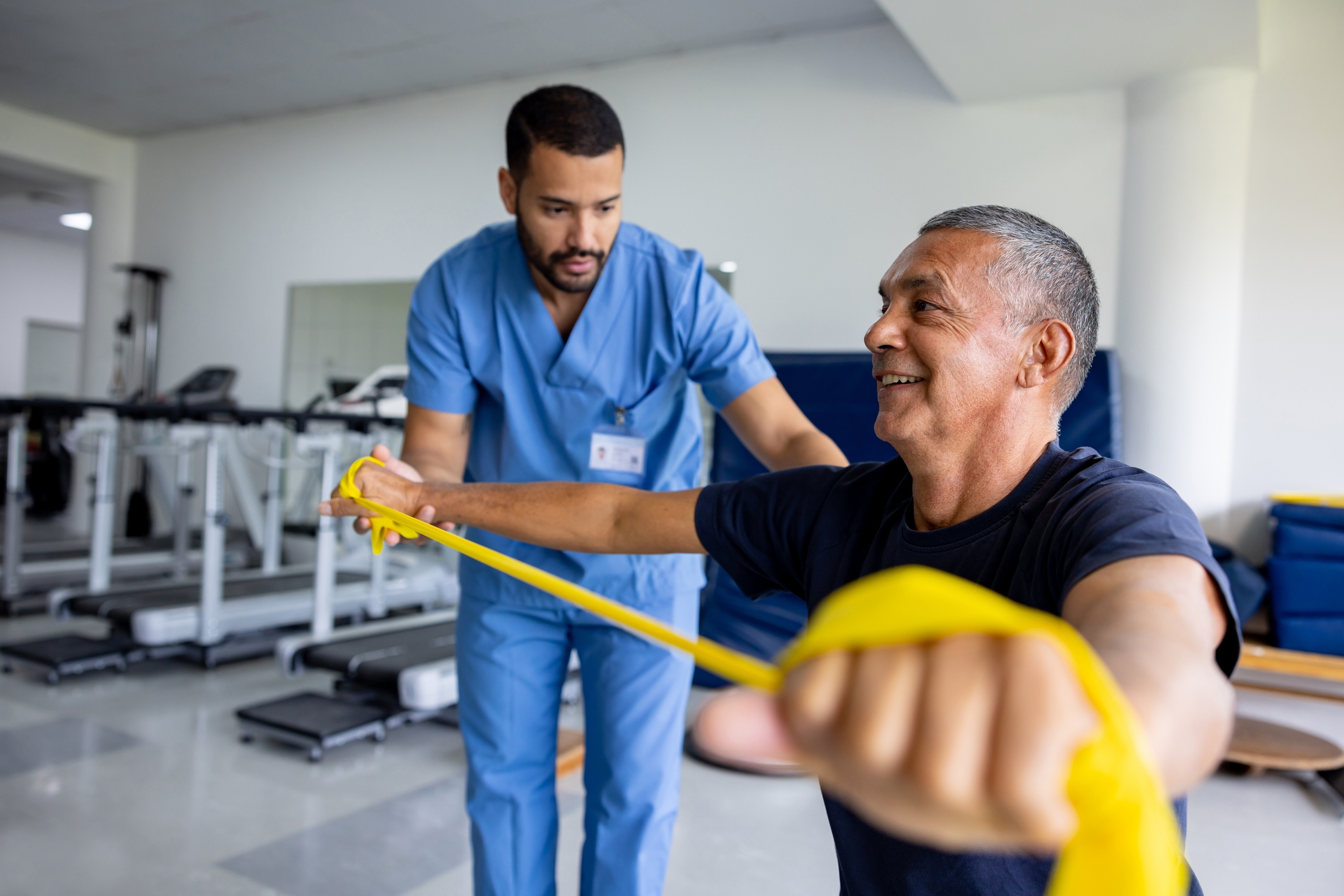
Healthy development in children requires far more than just adequate nutrition. Physical development forms the foundation of all other developmental domains. Cognitive, social, and emotional growth are all influenced by physical ability. When physical development is disrupted, the effects ripple across every area of life. Physical therapy offers targeted, evidence-based support for children's development. It addresses movement challenges and builds the physical foundations children need. This article explores how physical therapy actively supports healthy child development.
The Developmental Significance of Physical Health
Physical health in childhood is deeply connected to overall development. Children who move freely explore their environments with greater confidence. Environmental exploration drives sensory, cognitive, and social learning simultaneously. Strong, mobile children participate more fully in educational and social activities. Physical competence supports academic engagement and peer relationships. Conversely, physical limitations restrict the experiences children depend on for growth. Physical therapy removes these restrictions and opens developmental opportunities. Supporting physical health in childhood is one of the most impactful investments families can make.
How Movement Shapes the Developing Brain
Movement and brain development are inseparably intertwined. Physical activity stimulates the growth of new neural connections. Complex movement challenges develop planning, sequencing, and problem-solving circuits. Bilateral coordination activities strengthen connections between the brain hemispheres. Sensorimotor experiences shape cognitive processing and learning capacity. Children who engage in varied, rich movement experiences develop stronger brains. Physical therapy provides structured, neurologically stimulating movement experiences. Every therapy session contributes to both physical and neurological development simultaneously.
The Scope of Physical Therapy for Children
Paediatric physical therapy covers an impressively wide range of conditions. It is not limited to post-injury rehabilitation or neurological conditions. Physical therapy supports development across the full spectrum of childhood.
Developmental Conditions
Many children are referred to physical therapy for developmental concerns. Delayed walking, poor coordination, and muscle weakness are common referrals. Children with global developmental delay benefit from comprehensive physical support. Early intervention for developmental conditions produces significantly better outcomes. Therapists address movement delays while supporting the child's broader development. Family education and home programmes extend therapy into daily life. Children with developmental conditions consistently make meaningful gains with physical therapy. Early referral and intervention are always the most effective approaches.
Post-Surgical and Medical Rehabilitation
Children who undergo surgery require structured rehabilitation to restore function. Recovery from orthopaedic surgery, cardiac procedures, and oncological treatment all involve physical therapy. Restoring strength, mobility, and endurance requires professional guidance. Post-surgical physical therapy prevents complications like joint stiffness and muscle atrophy. It also addresses the psychological challenges of recovery for young patients. Children who receive thorough post-surgical rehabilitation regain function faster. Families who engage actively with rehabilitation programmes see the best results. Physical therapy is as important after paediatric surgery as the surgery itself.
How Physical Therapy Develops Physical Strength
Physical strength is a foundational component of healthy development. Children cannot achieve motor milestones without adequate muscle strength. Physical therapy directly targets the development of functional strength in children.
Core Strength and Postural Development
Core strength supports almost every physical activity children perform. Without it, sitting, standing, and moving efficiently are all impaired. Therapy addresses the deep stabilising muscles of the trunk and pelvis. Bridge exercises, tummy time, and plank variations all develop core stability. Children with strong cores maintain better posture during seated school tasks. They also move with greater efficiency and less fatigue during physical activities. Core strength development is therefore both physically and academically significant. Therapists prioritise core strengthening early in every paediatric treatment programme.
Lower Limb Strength for Mobility
Lower limb strength drives walking, running, stair climbing, and jumping. Children with weak legs tire quickly and avoid demanding physical activities. Physical therapy uses squats, step-ups, and lunges adapted for young patients. Playground activities like climbing frames develop functional lower limb strength. Resistance bands provide graded challenge as children grow stronger. Therapists monitor technique carefully to ensure safe and effective loading. Improved lower limb strength leads to more confident and efficient mobility. Children participate more willingly in physical activity when their legs are strong.
Improving Coordination and Balance Through Therapy
Coordination and balance are prerequisites for safe, skilled movement. Children with these difficulties often appear clumsy or disorganised. They may trip frequently and avoid physical challenges. Physical therapy provides targeted training to develop both abilities.
Sensorimotor Integration Training
Sensorimotor integration involves combining sensory information with motor output. Children with poor sensorimotor integration struggle with coordinated movement. Therapy uses activities that challenge sensory processing alongside motor performance. Moving through varied terrain, catching objects, and reacting to cues are examples. These activities train the nervous system to integrate information more efficiently. Improved sensorimotor integration leads to better coordination in daily activities. Children who improve in this area feel more physically competent and confident. The social and emotional benefits of this improvement are equally significant.
Supporting Children With Neurological Conditions
Neurological conditions represent some of the most complex paediatric cases. Physical therapy is a cornerstone of management for these children. Neuroplasticity in young children allows remarkable functional improvement with the right support.
Cerebral Palsy and Motor Function
Cerebral palsy causes motor impairments ranging from mild to profound. Physical therapy addresses muscle tone, movement quality, and functional mobility. Neurodevelopmental treatment improves motor control through guided movement experiences. Constraint-induced movement therapy promotes use of the affected limb. Gait training with and without assistive devices improves walking ability. Aquatic therapy reduces pain while enabling movement practice. Children with cerebral palsy consistently achieve meaningful functional gains through dedicated therapy. Early and intensive intervention produces the most significant long-term outcomes.
Acquired Brain Injury Recovery
Children who sustain acquired brain injury require specialised rehabilitation. Physical therapy begins as early as medically appropriate following injury. Neurological recovery is optimised through early, structured movement experiences. Strength, balance, and coordination are all addressed in sequence. Functional tasks are practised repeatedly to strengthen injured neural pathways. Families are educated on supporting recovery in the home environment. Children with acquired brain injury often demonstrate remarkable recovery with intensive support. Physical therapy is a primary driver of this neurological and functional recovery.
The Importance of Working With a Qualified Specialist
The quality of paediatric physical therapy depends heavily on the therapist's expertise. Not all therapists have the specialised training required for paediatric practice. A paediatrics physiotherapist receives specific training in child development and assessment. They understand the unique physical, neurological, and psychological needs of children. Treatment is designed around the child's developmental stage and individual goals. Communication with families is a central part of high-quality paediatric practice. Families should ask about a therapist's paediatric experience before beginning treatment. The right specialist makes a significant and often transformative difference in outcomes.
Family-Centred Care and Its Impact on Development
Physical therapy is most effective when delivered in partnership with families. Family-centred care is the gold standard of paediatric therapy practice. Parents are active participants, not passive observers, in the therapeutic process. Their observations and priorities shape the goals and direction of treatment. Home programmes are designed collaboratively and reviewed regularly. Parents learn how to embed therapeutic activities into daily routines. Bath time, mealtimes, and outdoor play all become opportunities for development. Families who engage fully with this approach consistently see the best results. Their commitment is one of the strongest predictors of their child's progress.
Long-Term Developmental Outcomes of Physical Therapy
Physical therapy in childhood produces benefits that extend far into the future. Children who develop physical competence early maintain it into adulthood more easily. They are more likely to be physically active and healthy throughout their lives. Academic performance is better when physical challenges are addressed early. Social confidence grows alongside physical confidence and competence. Children who receive physical therapy require less intensive support as they grow. The long-term return on investment in early physical therapy is consistently high. Supporting healthy development today protects children's wellbeing for decades to come.
Final Thoughts
Physical therapy is a vital and evidence-based support for healthy child development. It addresses strength, coordination, balance, and neurological function comprehensively. Early intervention consistently produces the most meaningful and lasting outcomes. Children of every ability and background can benefit from skilled physical therapy. Parents who seek professional support early give their children a genuine advantage. Physical development is the foundation upon which all other development is built. Invest in your child's physical health with confidence and commitment. The benefits will be felt in every area of their life for years to come.

