


Tips for Preventing Nearsightedness from Getting Worse in Kids
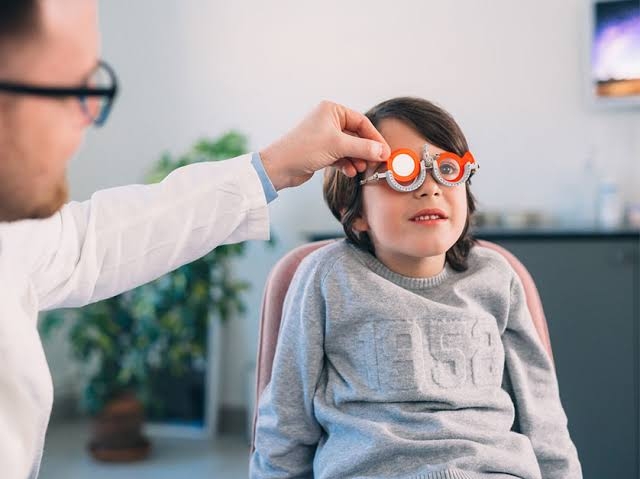
Childhood nearsightedness, known clinically as myopia, affects more children each year. The condition begins when the eye grows longer than its ideal shape. This excessive growth causes light to focus in front of the retina. Distance vision becomes blurry while near vision remains clear. Without intervention, progression can continue steadily through the teenage years.
The Mechanics of Myopia Progression
Understanding how myopia progresses helps parents appreciate the urgency of intervention. The eye grows in axial length, which is its front-to-back dimension. This growth is guided by visual signals from the retinal surface. When these signals promote excessive elongation, myopia worsens. The prescription deepens each year as the eye continues to grow.
Children between six and fourteen experience the fastest rate of progression. This coincides with overall bodily growth during school-age development. Growth spurts in height often correspond with faster eye elongation. Annual prescription changes of half a diopter or more are common in untreated children. By adulthood, unchecked progression can produce high myopia with serious health implications.
How High Myopia Creates Long-Term Risks
High myopia is defined as a prescription exceeding negative six diopters. At this level, the eye has elongated significantly beyond its healthy dimensions. The retina stretches thin over the elongated interior surface. Thin retinal tissue is more prone to tearing, detachment, and degeneration. These complications can cause permanent, irreversible vision loss.
The risk of serious complications is not uniform across all myopia levels. Each additional diopter of prescription increases risk incrementally. Moving from moderate to high myopia represents a disproportionately large risk increase. Preventing a child from reaching high myopia is therefore a clinically significant goal. Every diopter prevented during childhood contributes to a safer visual future.
Evidence-Based Strategies for Slowing Progression
Several strategies are supported by clinical evidence for slowing myopia in children. Outdoor time is one of the most consistently supported environmental interventions. Research across multiple countries links increased outdoor exposure to slower progression. Natural bright light triggers retinal dopamine production. Dopamine directly inhibits the axial elongation driving prescription increases.
At least two hours outdoors per day is the widely recommended minimum. Indoor lighting cannot replicate the intensity of natural outdoor light. Even activities in shaded outdoor areas provide significantly more light than indoors. Scheduling outdoor time as a daily priority during childhood is genuinely protective. Parents who prioritize outdoor play are supporting their children's eye health meaningfully.
Near Work Habits and Their Role in Progression
Extended near work contributes to the environmental burden on developing eyes. Reading, writing, screen use, and artwork all require sustained close-up focus. The visual system works harder during prolonged near tasks. This sustained effort may contribute to the biological signals driving elongation. Managing near work habits is a practical and evidence-supported intervention.
Regular visual breaks reduce cumulative near work strain effectively. The 20-20-20 rule is a widely recommended and easy-to-follow guideline. Every 20 minutes of near work, shift focus to something 20 feet away. Hold that distant focus for at least 20 seconds. Teaching this habit early helps children maintain it throughout their school years.
Specialty Lens Designs and Their Mechanism
Specialty optical lenses represent the most clinically significant management tool. Standard corrective lenses correct the central visual field accurately. However, they leave the peripheral retina receiving a myopic defocus signal. This peripheral signal may act as a stimulus for continued axial elongation. Modern specialty lens designs address this peripheral focus simultaneously.
Myopia control contact lenses use concentric multi-zone designs to modify peripheral retinal signals. The central zone provides clear distance correction for the child. Surrounding zones create controlled myopic defocus across the peripheral field. This defocus signals the eye that further growth is not required. Clinical trials consistently show reduced axial elongation rates in children using these lenses.
Soft daily disposable formats offer the greatest hygiene and compliance benefits. Fresh lenses each day eliminate deposit-related comfort decline. Children adapt to contact lens wear more readily than many parents expect. A professional fitting ensures the lens sits correctly and performs as designed. Follow-up appointments track axial length and confirm treatment effectiveness over time.
Orthokeratology for Active Children
Orthokeratology lenses are worn during sleep rather than during the day. These specially designed rigid lenses gently reshape the corneal surface overnight. The reshaping provides unaided clear vision throughout the following day. Children enjoy freedom from lenses during school, sports, and outdoor activities. The corneal reshaping also modifies peripheral focus, contributing to reduced elongation.
Long-term studies on orthokeratology consistently show meaningful progression reduction. Children using these lenses show less axial elongation than spectacle-wearing controls. The treatment is particularly appealing for sporty, active children. Consistent nightly wear is essential for both daytime vision and therapeutic effect. Regular professional monitoring ensures the treatment remains safe and effective.
Combining Approaches for Stronger Outcomes
Some children progress faster than others despite individual treatments. Fast progressors may benefit from combining optical and pharmaceutical approaches. Low-dose atropine drops added to specialty lens treatment can enhance outcomes. The two approaches target different biological mechanisms simultaneously. Combined therapy is increasingly recommended for children showing inadequate response to single treatments.
Monitoring axial length at each appointment tracks the response to combined treatment. Adjustments to either component can be made based on measured outcomes. The optometrist guides these decisions based on objective clinical data. Parents are kept informed of progress and treatment rationale at every stage. This collaborative and data-driven approach produces the best long-term visual outcomes.
Building Consistent Habits Around Management
The most effective management programs are consistent over multiple years. Myopia progression continues until the eye stops growing in the mid-twenties. Management commitment spanning the full growth period produces the greatest benefit. Short-term treatment followed by discontinuation allows resumed progression. Parents and children who stay the course achieve the most protective outcomes.
Building lens wear and outdoor time into daily routines supports consistency. Morning lens insertion becomes as natural as brushing teeth with repetition. Scheduled outdoor activities make the two-hour daily goal achievable and sustainable. Annual eye examinations and follow-up appointments anchor the professional component. These consistent habits, maintained over years, produce the most meaningfully protective long-term results.

