


Future of Football Shirt Collecting with Digital Platforms
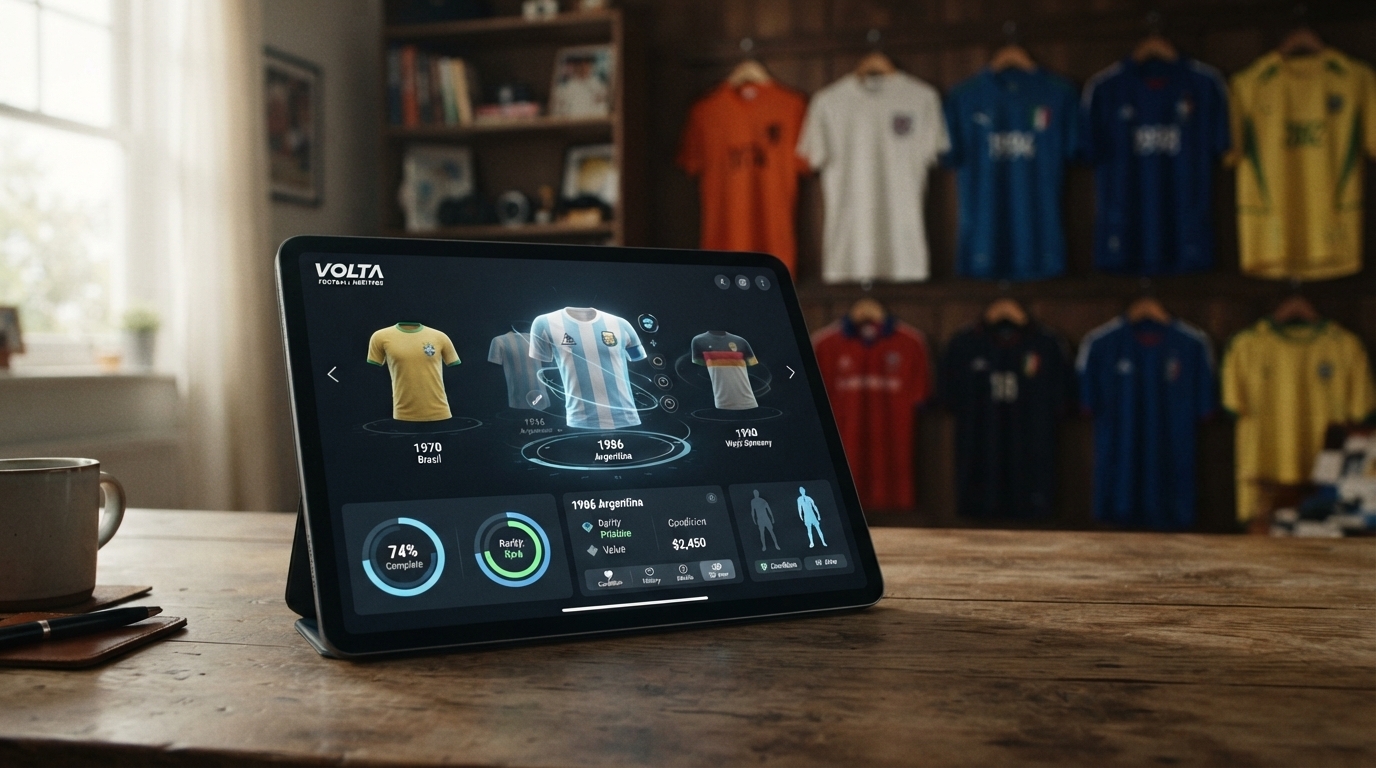
Football shirt collecting has developed from a relatively niche hobby into an international community. Vintage kits, rare player shirts, limited releases, and memorable designs now attract collectors from different generations and countries.
Traditionally, collectors found shirts through local markets, specialist stores, football programmes, classified advertisements, and personal contacts. Those methods still have value, but digital platforms have changed how collectors search, research, buy, sell, document, and discuss football shirts.
As technology continues to develop, digital tools are likely to become even more closely connected with the collecting experience. However, the physical shirt and its history will remain at the heart of the hobby.
How Digital Platforms Changed Football Shirt Collecting
Finding a particular shirt once required considerable patience.
A collector searching for a specific 1990s away shirt might have waited months before seeing one at a shop or collectors fair.
Online platforms have expanded the available market.
Collectors can now search for shirts from:
- Different countries
- Specific clubs
- Particular seasons
- Individual players
- International tournaments
- Historic competitions
This increased access has helped turn football shirt collecting into a much more connected global hobby.
Collectors Can Research Shirts More Easily
Research plays an important role in collecting vintage football shirts.
Before buying, collectors often want to know:
- Which season the shirt comes from
- Whether the design is authentic
- Which players wore it
- Whether the printing is correct
- Which versions were released
- Whether the shirt was commercially available
Digital archives and collector communities make much of this information easier to access.
Instead of depending entirely on personal knowledge, collectors can compare multiple references before making a decision.
Digital Collections Will Become More Detailed
Collectors increasingly maintain digital records of their physical shirts.
A digital collection can contain information about:
- Club
- Season
- Manufacturer
- Size
- Condition
- Purchase date
- Purchase price
- Player printing
- Photographs
Future collecting platforms may make these records even more detailed.
For example, collectors could maintain complete histories showing when they purchased a shirt, where it came from, and how its condition has changed.
Better Authentication Tools Could Support Buyers
Counterfeit shirts remain a significant concern, particularly as demand for vintage football kits increases.
Digital platforms can help collectors research authenticity by providing access to detailed photographs and historical information.
Collectors may compare:
- Product codes
- Labels
- Stitching
- Badges
- Sponsors
- Manufacturer logos
- Fabric patterns
- Printing styles
Future technology could make these comparisons quicker.
However, automated tools should not be treated as absolute proof of authenticity. Experienced collectors will still need to examine the complete shirt and its history.
Artificial Intelligence May Assist With Identification
Artificial intelligence could become useful for identifying football shirts from photographs.
A collector might eventually upload an image and receive suggested information about:
- Club
- Season
- Manufacturer
- Shirt type
- Possible player
- Similar designs
This could be particularly useful for shirts found without original packaging or clear identification.
Still, visual similarity alone cannot establish authenticity. Many counterfeit shirts closely copy genuine designs.
Human research will therefore remain important.
Online Communities Will Continue Growing
Football shirt collecting is highly social.
Collectors enjoy sharing unusual finds, discussing designs, comparing collections, and helping others identify shirts.
Digital communities make these conversations possible across international borders.
Someone in England can discuss a Japanese league shirt with a collector in Spain, while another enthusiast in the United States may provide information about a rare international kit.
This exchange of knowledge strengthens the collecting community.
Digital Platforms Can Improve Provenance Records
Provenance refers to the documented history of an item.
For rare football shirts, particularly match-worn examples, provenance can be extremely important.
Digital records could help document information such as:
- Previous owners
- Match details
- Player information
- Photographs
- Supporting documentation
- Sale history
Better documentation can help future buyers understand where a shirt came from.
However, digital records must still be verified carefully because false information can also be entered online.
Buying and Selling Will Become More Connected
Digital marketplaces have already made football shirts easier to buy and sell internationally.
Future platforms may combine several parts of the collecting process within one environment.
Collectors could potentially:
- Catalogue shirts
- Create wishlists
- Research designs
- Contact sellers
- Compare listings
- Manage trades
This would reduce the need to use separate platforms for each activity.
Price Information Could Become More Transparent
Determining the value of a vintage football shirt can be difficult.
Asking prices do not necessarily represent actual market value.
Future collecting platforms may provide better access to historical sales information.
Collectors could compare previous sales according to:
- Shirt
- Season
- Size
- Condition
- Player printing
- Version
This could provide a more realistic understanding of market demand.
However, condition differences mean two apparently identical shirts may still have very different values.
Rare Shirts May Become Easier to Locate
Digital platforms can make searching more precise.
Instead of manually checking hundreds of listings, collectors may be able to create alerts for specific shirts.
For example, someone could search for a particular:
- Club
- Season
- Size
- Player
- Manufacturer
When a matching shirt appears, the collector could receive a notification.
This could make long-term collecting goals easier to manage.
Global Access Could Increase Competition
Digital platforms create opportunities, but they also increase competition.
A rare shirt listed online may attract buyers from around the world rather than only local collectors.
Greater competition can make desirable shirts harder to secure.
Collectors may therefore need to make faster decisions while still avoiding impulsive purchases.
Research becomes even more important when valuable shirts sell quickly.
Digital Tools Can Help Build Focused Collections
Many collectors begin by buying shirts they simply like.
Over time, their interests may become more specific.
Someone may eventually focus on:
- One football club
- One national team
- European competitions
- 1990s shirts
- Goalkeeper kits
- Particular players
Digital cataloguing makes these patterns easier to identify.
Collectors can see which areas dominate their collection and decide where they want to focus next.
Physical Shirts Will Remain Central
Technology will change how football shirts are collected, but it is unlikely to replace the appeal of physical kits.
Collectors value details that digital images cannot fully reproduce, including:
- Fabric texture
- Embroidery
- Original printing
- Signs of age
- Manufacturing differences
The emotional connection also matters.
A shirt may remind someone of a childhood club, memorable tournament, favorite player, or important match.
Digital platforms support the hobby, but the physical object remains its foundation.
Platforms Are Becoming Part of the Collector Experience
As collecting becomes increasingly digital, platforms such as ShowBoat can fit naturally into how enthusiasts engage with football shirts online. A collector may research a kit digitally, compare available examples, document a purchase, and then continue building their collection through the same broader online ecosystem.
This convenience can make collecting more accessible, particularly for people who do not live near specialist vintage football stores.
At the same time, buyers should continue verifying sellers and researching shirts independently before purchasing expensive items.
What Could the Next Generation of Collecting Look Like?
The future football shirt collector may use a combination of physical knowledge and digital technology.
A typical collecting process could involve:
- Searching a digital catalogue.
- Receiving an alert for a wanted shirt.
- Reviewing historical information.
- Comparing previous sales.
- Checking detailed authenticity indicators.
- Purchasing the physical shirt.
- Adding it to a digital collection.
Technology could make each stage faster while leaving the final collecting experience centered on the shirt itself.
Collectors Will Still Need Knowledge
Digital platforms provide information, but collectors should continue developing their own expertise.
Understanding football shirt history helps buyers recognize unusual details and questionable listings.
Important areas of knowledge include:
- Manufacturer changes
- Sponsor variations
- Product labels
- Shirt templates
- Player printing
- Competition patches
- Seasonal differences
Technology is most valuable when it supports informed collectors rather than replacing their judgment.
Final Thoughts
Digital platforms are shaping the future of football shirt collecting by making shirts easier to find, research, document, buy, sell, and discuss.
Future developments may provide better authentication assistance, detailed collection records, historical pricing information, personalized alerts, and stronger global communities.
However, technology will not remove the qualities that make football shirts collectible. Their history, rarity, design, condition, and emotional connection will remain central.
The future of football shirt collecting is therefore likely to combine the best aspects of both worlds: physical shirts with genuine football history, supported by digital tools that make collecting more organized, informed, and connected.

