


Digital Printing on Fabric: Complete Guide for Beginners
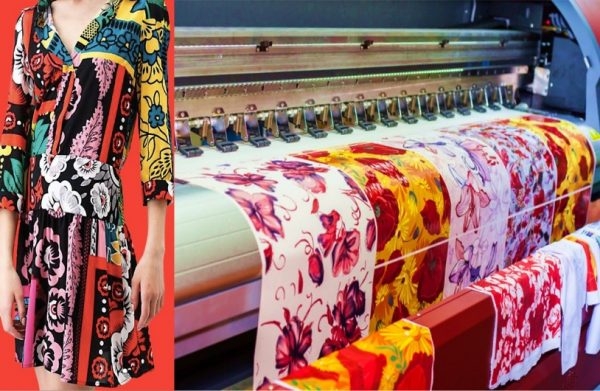
Digital printing on fabric has transformed the textile industry by making it possible to print high-quality designs directly onto fabric with remarkable speed and precision. Unlike conventional textile printing methods that rely on screens or engraved rollers, digital printing uses advanced inkjet technology to transfer artwork from a computer directly onto the fabric surface. This process simplifies production while allowing businesses to create vibrant, detailed, and customized designs with minimal setup.
The increasing demand for personalized products, shorter production cycles, and sustainable manufacturing has made digital printing on fabric an essential technology for modern textile production. Fashion designers, apparel manufacturers, interior decorators, promotional product companies, and independent artists all rely on digital printing to create unique textiles that meet today's quality and design expectations. Its flexibility and efficiency have made it one of the fastest-growing printing methods in the textile sector.
What Is Digital Printing on Fabric?
Digital printing on fabric is a textile decoration process that applies digital artwork directly onto fabric using specialized inkjet printers and textile inks. Instead of preparing separate screens for each color, the printer reads a digital file and accurately sprays microscopic droplets of ink onto the fabric.
This technology supports both simple and highly detailed designs. Complex illustrations, fine lines, photographic images, and smooth color gradients can all be reproduced with impressive accuracy. Since the design exists in digital form, modifications can be made quickly without interrupting production.
Digital textile printing is suitable for various natural and synthetic materials, including cotton, polyester, silk, linen, rayon, viscose, canvas, and blended fabrics. The printing method and ink type are selected according to the fabric's characteristics and the intended end use.
How Digital Printing on Fabric Works
Design Creation
Every project begins with a digital design prepared using professional graphic design software. High-resolution artwork produces sharper prints and better color accuracy. Designers often adjust color profiles before production to ensure consistent results.
Fabric Preparation
Many fabrics require pre-treatment before printing. This process helps the fibers absorb ink evenly while improving color brightness, print sharpness, and wash durability.
Preparation methods differ depending on whether the fabric is natural or synthetic.
Printing Process
The prepared fabric passes through a digital textile printer equipped with precision print heads. Tiny ink droplets are placed exactly where needed, allowing even highly detailed artwork to be reproduced accurately.
Because no screens are required, multiple designs can be printed consecutively without changing equipment.
Ink Fixation
After printing, heat or steam permanently fixes the ink to the textile fibers. Proper fixation is essential for maintaining vibrant colors and ensuring the print withstands washing and regular use.
Finishing
The printed fabric is inspected, cleaned if necessary, softened, and prepared for garment production or commercial distribution.
Types of Digital Printing on Fabric
Direct-to-Fabric Printing
This method prints directly onto prepared fabric. It is commonly used for natural fibers such as cotton, silk, linen, and viscose because it produces soft finishes and excellent color quality.
Dye Sublimation Printing
Dye sublimation is primarily used for polyester fabrics. The design is first printed onto transfer paper before being transferred to the fabric using heat. The dye penetrates the fibers, resulting in durable, fade-resistant prints.
Pigment Printing
Pigment printing is compatible with many fabric types and generally requires less water than traditional textile printing methods. Its versatility has made it increasingly popular for environmentally conscious production.
Reactive Printing
Reactive printing uses inks that chemically bond with natural fibers. This process creates bright colors, excellent softness, and long-lasting wash resistance.
Advantages of Digital Printing on Fabric
Excellent Print Quality
Digital printing produces sharp images, rich colors, smooth gradients, and intricate details that maintain consistent quality throughout production.
Design Flexibility
There are virtually no limitations on colors, patterns, or artwork complexity. Businesses can create custom products without investing in new printing screens.
Faster Turnaround
Minimal setup allows production to begin soon after artwork approval, making digital printing suitable for projects with tight deadlines.
Cost Effective for Small Orders
Without expensive screen preparation, short production runs become affordable. This benefits startups, independent designers, and businesses offering customized products.
Reduced Waste
Ink is applied only where required, reducing unnecessary consumption and minimizing material waste during production.
Personalization
Each printed item can feature different names, logos, numbers, or graphics without interrupting production, making digital printing ideal for customized apparel and promotional products.
Common Applications
Digital printing on fabric serves many industries because of its flexibility and precision.
Fashion manufacturers create dresses, shirts, jackets, scarves, sportswear, swimwear, and children's clothing featuring unique patterns and seasonal collections.
Home furnishing companies produce curtains, bedding, tablecloths, upholstery fabrics, cushion covers, and decorative textiles with customized designs.
Advertising agencies use digitally printed fabrics for exhibition displays, banners, promotional backdrops, event decorations, and branded marketing materials.
Sports organizations manufacture personalized uniforms displaying player names, numbers, sponsor logos, and team graphics.
Artists and designers also use digital textile printing to convert original artwork into commercial fabric collections for apparel, accessories, and interior decoration.
Practical Benefits and Key Insights
Digital printing has introduced significant improvements in textile manufacturing. One of its greatest advantages is the ability to respond quickly to changing market demands. Designers can update artwork within minutes and begin production without replacing equipment or preparing new screens.
On-demand manufacturing reduces inventory costs because products are printed only when customer orders are received. This approach minimizes unsold stock while improving production efficiency.
Creative freedom is another important benefit. Designers can experiment with detailed illustrations, watercolor effects, realistic photographs, and complex color combinations without increasing production complexity.
Modern digital textile printing systems also contribute to more efficient resource management. Many consume less water and fewer chemicals than traditional printing methods, helping manufacturers improve sustainability while maintaining product quality.
Common Challenges and Considerations
Fabric Compatibility
Every fabric requires compatible inks and printing methods. Incorrect combinations can reduce print quality or durability.
Equipment Investment
Industrial digital textile printers involve a substantial initial investment. Companies should evaluate production volume and long-term business goals before purchasing equipment.
Color Management
Consistent color reproduction depends on proper printer calibration, quality inks, fabric characteristics, and professional color management.
Print Durability
Proper pre-treatment and heat fixation are necessary to maintain color brightness and long-lasting performance after repeated washing.
Large Production Quantities
Although digital printing excels in customization and medium-sized production runs, traditional screen printing may remain more economical for extremely large orders with simple designs.
Frequently Asked Questions
1. What is digital printing on fabric?
Digital printing on fabric is a process that transfers digital artwork directly onto textiles using specialized inkjet printing technology.
2. Which fabrics can be digitally printed?
Cotton, polyester, silk, linen, rayon, viscose, canvas, bamboo, and many blended fabrics are compatible with digital textile printing when matched with suitable inks.
3. Is digital printing suitable for custom orders?
Yes. Digital printing is ideal for personalized products because each design can be changed without additional setup costs or production delays.
4. Is digitally printed fabric durable?
When appropriate inks, fabric preparation, and heat fixation are used, digitally printed fabrics offer excellent durability and maintain vibrant colors after repeated washing.
5. Why is digital printing becoming more popular?
Its high print quality, quick production, customization options, reduced waste, and ability to produce economical short runs make digital printing increasingly popular across the textile industry.
Conclusion
Digital printing on fabric has become an essential technology for modern textile manufacturing. It combines outstanding print quality, production flexibility, and efficient resource use while supporting customization and creative freedom. From fashion apparel and home furnishings to promotional textiles and artistic fabric collections, digital printing enables businesses to produce visually impressive products with consistent quality. As digital printing technology continues to evolve, it will remain one of the most important innovations shaping the future of textile design and manufacturing.

