


Breakthrough Technologies in Advanced Wound Care Used in Genesee County
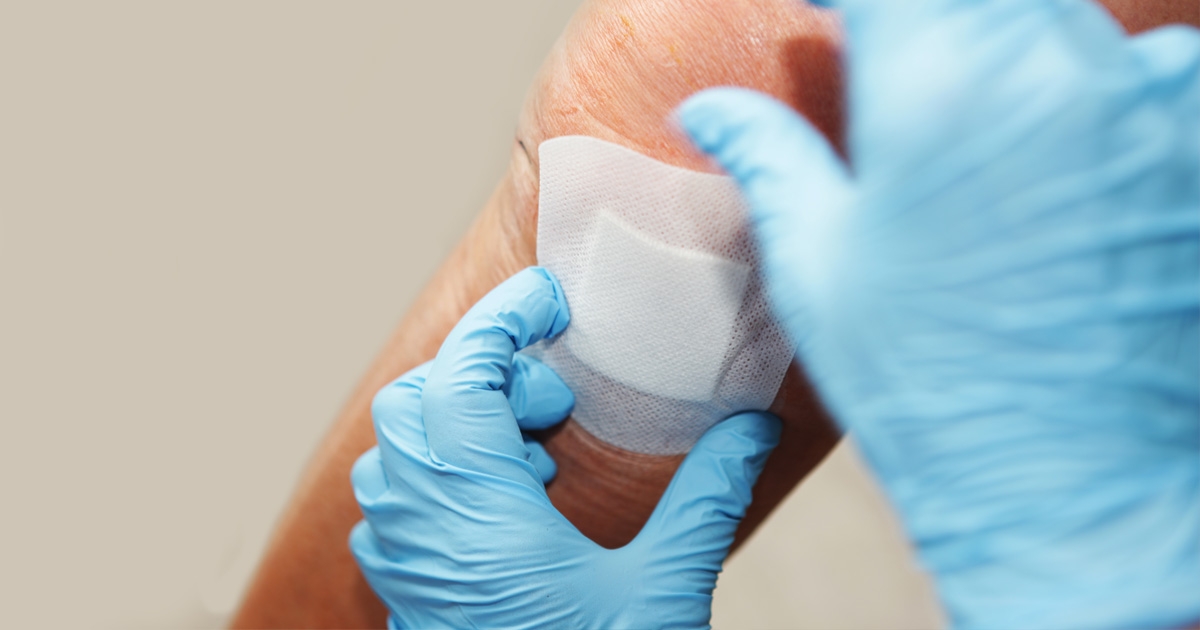
Modern wound treatment has moved well beyond basic gauze, cleansing, and routine dressing changes. Complex wounds may require advanced assessment, specialized dressings, negative pressure therapy, tissue-based products, or coordinated treatment of underlying medical conditions. Patients researching advanced wound care in Genesee County may encounter several technologies designed to support different stages of healing. The appropriate option depends on the wound's cause, depth, location, infection status, circulation, and the patient's overall health. Understanding these technologies can help patients have more productive conversations with qualified wound-care professionals about appropriate treatment.
Understanding the Evolution of Advanced Wound Care
Traditional wound management remains important, but advances in clinical technology have expanded the tools available to healthcare professionals. Modern wound care increasingly focuses on creating conditions that support the body's natural healing processes while addressing barriers such as infection, pressure, poor circulation, and excessive moisture. Clinicians can now use detailed assessment methods and specialized treatment products for wounds that may not respond adequately to basic care. These developments are particularly relevant for chronic wounds that remain open or repeatedly return. However, newer technology does not automatically mean better treatment for every patient.
A comprehensive evaluation should always come before selecting an advanced therapy. Healthcare professionals may examine wound dimensions, tissue type, drainage, surrounding skin, blood flow, sensation, infection risk, and the patient's medical history. Conditions such as diabetes, vascular disease, immune problems, and limited mobility can significantly affect healing. The treatment plan may therefore combine several approaches rather than relying on a single technology. Regular reassessment is also important because the most appropriate treatment can change as the wound progresses.
Advanced Wound Imaging and Digital Assessment
Accurate wound measurement is an important part of monitoring treatment progress. Modern clinical environments may use digital photography, measurement systems, and specialized imaging technologies to document wound size and appearance more consistently. These tools can help healthcare professionals compare the wound at different appointments and identify changes that might be difficult to judge from memory alone. Digital documentation may also improve communication among members of a multidisciplinary care team. The exact technology available varies between providers and facilities.
Digital assessment tools should support professional judgment rather than replace it. A photograph or measurement can document the visible condition of a wound, but it does not provide a complete picture of circulation, infection, tissue viability, or the patient's overall health. Clinicians still need to examine the patient and consider symptoms and medical history. When advanced imaging or testing is required, the patient may need referral to a specialist or medical facility with appropriate equipment. Technology is most useful when it forms part of a broader clinical assessment.
Negative Pressure Wound Therapy
Negative pressure wound therapy is one of the better-established advanced technologies used for selected complex wounds. It involves a specialized dressing and controlled suction system designed to manage wound fluid and create a controlled wound environment. Depending on the wound and clinical circumstances, this therapy may be considered for certain surgical wounds, traumatic wounds, or other wounds that require specialized management. Treatment requires appropriate patient selection, equipment, and professional oversight. It should not be assumed to be suitable for every wound.
The healthcare professional responsible for the patient's care determines whether negative pressure therapy is appropriate. The wound must be assessed for factors that could make the treatment unsuitable or require additional precautions. Dressing changes also need to be performed according to the prescribed protocol, and the equipment must be monitored during treatment. Patients should report unexpected bleeding, worsening pain, equipment problems, or other concerning changes promptly. Proper clinical supervision is essential when advanced equipment is used in wound management.
Bioengineered and Cellular-Based Wound Products
Some difficult-to-heal wounds may be considered for cellular or tissue-based products when standard treatment has not produced adequate progress. These products are designed to provide biological or structural support that may assist the wound-healing process in appropriately selected cases. Their use depends on wound characteristics, patient eligibility, clinical evidence, and the judgment of qualified healthcare professionals. Treatment may also require preparation of the wound before the product can be considered. Patients should ask their clinician why a particular product is being recommended and what outcomes are realistically expected.
These therapies should not be presented as guaranteed solutions because wound healing varies substantially between patients. A wound may continue to require appropriate dressing management, pressure reduction, infection control, nutritional support, or treatment of circulation problems after a specialized product is applied. Follow-up is necessary to determine whether the wound is progressing. Healthcare professionals may modify or discontinue a therapy if the clinical situation changes. A thoughtful treatment plan considers the patient's complete condition rather than focusing on a single advanced product.
Specialized Dressings and Moisture Management
Advanced dressings have become an important component of modern wound treatment because different wounds require different moisture and protection strategies. Some products are designed to absorb excess drainage, while others help maintain an appropriate moist environment or protect fragile tissue. Certain dressings may also provide antimicrobial properties or specialized structural support. The choice depends on the wound's characteristics and the clinical objective. Using a sophisticated dressing without an appropriate assessment does not guarantee improved healing.
Wound professionals may change dressing strategies as the wound progresses. A heavily draining wound may require a different product from one that has minimal drainage and healthy developing tissue. Surrounding skin also needs protection because excessive moisture can cause irritation and breakdown. Patients should follow instructions about how often dressings should be changed and what symptoms should be reported. If a dressing causes unexpected pain, irritation, bleeding, or worsening drainage, the treating healthcare professional should be contacted.
Advanced Debridement Technologies
Removing unhealthy tissue can sometimes be necessary when dead or damaged material prevents a wound from progressing through normal healing. Debridement may be performed using different methods depending on the wound, patient, clinical setting, and professional expertise. Traditional sharp or surgical approaches remain important, while other methods may be considered in appropriate circumstances. The goal is to remove unsuitable tissue while preserving viable tissue and minimizing unnecessary trauma. A qualified clinician must determine whether debridement is appropriate.
Advanced approaches may include specialized instruments or techniques designed to improve precision or efficiency in selected cases. However, the presence of advanced equipment does not eliminate the need for careful wound assessment. Circulation, pain, infection, bleeding risk, wound depth, and other factors must be considered before treatment. Some patients may require vascular assessment before certain procedures can be safely performed. Appropriate professional judgment remains more important than the technology itself.
Technologies for Infection Management
Infection can significantly interfere with wound healing and may require prompt medical attention. Modern wound care includes various approaches for assessing infection risk and managing microbial burden when clinically appropriate. Some dressings contain antimicrobial components, while other treatment strategies focus on cleansing, debridement, drainage, or systemic therapy when indicated. Antibiotics are not appropriate for every wound and should be used according to professional diagnosis and prescribing guidance. The underlying cause and severity of infection must be considered before selecting treatment.
Patients should understand that signs of infection can vary and that not every change in wound appearance represents an infection. Increasing pain, spreading redness, warmth, swelling, foul-smelling drainage, fever, or rapidly worsening tissue can be concerning. Individuals with diabetes, poor circulation, or weakened immune function may require particularly prompt evaluation. Severe symptoms or systemic illness may require urgent or emergency care rather than waiting for a scheduled wound appointment. Advanced technology should never delay necessary medical evaluation.
Advanced Wound Care Near Oakland County
Patients comparing advanced wound care in near Oakland should look beyond the technology advertised by a facility. Important factors include professional credentials, experience with complex wounds, available diagnostic resources, communication with primary physicians, and access to relevant specialists. Families should confirm whether the provider treats the specific type of wound involved and whether referrals are available when additional expertise is needed. Geographic convenience can be helpful, but clinical suitability should remain the primary consideration. Treatment options vary between healthcare organizations and should be verified directly with the provider.
Patients may also benefit from asking how wound progress is documented and how treatment decisions are reviewed. A responsible provider should be able to explain why a particular therapy is being recommended, what its limitations are, and how success will be evaluated. Questions about expected visit frequency, dressing changes, follow-up, insurance coverage, and potential costs can also help families plan appropriately. Patients should be cautious of providers making unrealistic promises about rapid or guaranteed healing. Evidence-based care requires realistic expectations and ongoing assessment.
The Role of Personalized Treatment Plans
One of the most important developments in advanced wound management is the emphasis on individualized treatment. Two wounds may look similar but have completely different causes, requiring different strategies. For example, a pressure-related wound may need pressure redistribution, while a circulation-related wound may require vascular assessment before certain treatments are considered. A diabetic wound may require careful foot protection and management of blood glucose alongside local wound treatment. Personalized care helps ensure that treatment addresses the factors actually preventing healing.
Multidisciplinary collaboration can make personalized treatment more effective. Physicians, wound-care nurses, surgeons, vascular specialists, podiatrists, nutrition professionals, and rehabilitation specialists may contribute when their expertise is relevant. Each professional can provide information that helps the team understand the patient's condition more completely. Regular communication allows the treatment plan to change when the wound improves, deteriorates, or develops new complications. The patient and caregiver should remain informed participants in decisions about treatment whenever possible.
The Future of Advanced Wound Care
Research continues to explore technologies that could improve wound assessment, tissue regeneration, infection detection, and treatment personalization. Developments in digital monitoring, biomaterials, cellular therapies, and other areas may expand future options for patients with difficult-to-heal wounds. However, promising technology still needs appropriate clinical evaluation before becoming standard treatment. Patients should distinguish between established therapies and emerging approaches that may still be under investigation. Qualified healthcare professionals can help explain the current evidence and whether a particular option is appropriate.
The future of wound care is likely to combine technology with increasingly personalized clinical decision-making. Digital documentation may improve monitoring, while specialized products can provide additional treatment options for selected wounds. At the same time, fundamental principles such as pressure management, infection control, adequate nutrition, appropriate circulation, and consistent follow-up will remain important. Technology works best when it complements these foundational elements rather than replacing them. Patient safety and evidence-based clinical judgment should remain central as new innovations become available.
Conclusion
Breakthrough technologies have expanded the options available to healthcare professionals managing complex wounds in Genesee County. Advanced wound care in Genesee County may involve digital assessment, negative pressure wound therapy, specialized dressings, advanced debridement techniques, cellular or tissue-based products, and targeted infection-management strategies. The appropriate treatment depends on the individual wound and the patient's broader health rather than the novelty of a particular technology. Patients considering advanced wound care in near Oakland should evaluate provider expertise, available services, clinical coordination, and follow-up procedures. A thorough professional assessment should always guide treatment selection.
Patients and caregivers should also understand that advanced wound treatment is not a substitute for managing the underlying causes of delayed healing. Diabetes, circulation problems, pressure, nutrition, infection, and mobility limitations may all require attention alongside local wound treatment. Regular monitoring allows healthcare professionals to determine whether a therapy is working and whether changes are necessary. Any rapidly worsening wound, severe pain, significant bleeding, spreading redness, fever, or other serious symptoms should receive prompt medical attention. With qualified oversight, appropriate technology, and individualized care, modern wound management can provide a more comprehensive pathway for patients dealing with complex or persistent wounds.

