


Agriculture Solar System in Pakistan: Sustainable Power for Modern Farming
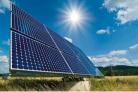
Agriculture is one of Pakistan’s most important economic sectors, but farmers often face challenges related to electricity costs, unreliable power supply, and the expense of operating irrigation equipment. An agriculture solar system can provide farmers with a practical way to generate electricity from sunlight and power essential agricultural operations.
Solar energy can be particularly useful for irrigation, where electric or diesel-powered pumps may consume significant amounts of energy. By using solar power for water pumping, farmers can reduce their dependence on conventional electricity and potentially lower operating expenses.
DSG Energy provides agricultural solar solutions that include solar tube wells and irrigation-related systems designed for farming requirements.
What Is an Agriculture Solar System?
An agriculture solar system is a photovoltaic setup designed to provide electricity for farming and agricultural operations.
Depending on the farm's requirements, a system can be used to power:
- Tube wells
- Water pumps
- Irrigation systems
- Agricultural machinery
- Farm buildings
- Livestock facilities
- Water supply systems
- Remote agricultural equipment
One of the most common applications is solar-powered water pumping. Solar panels generate electricity during daylight hours, which can then be used to operate irrigation pumps.
For farms located in areas with strong sunlight, this can provide an alternative source of power for essential agricultural activities.
Why Solar Energy Is Useful for Agriculture
Farmers require dependable energy for many operations, especially irrigation. Conventional electricity can be expensive, while diesel-powered pumps involve ongoing fuel and maintenance costs.
Solar energy offers several potential advantages.
Lower Irrigation Operating Costs
Solar power can reduce dependence on grid electricity or diesel fuel for water pumping. Once the solar system is installed, sunlight provides the energy used to operate the system.
Reduced Dependence on the Grid
Agricultural properties may be located away from urban centers, where electricity infrastructure can be less convenient or reliable. Solar systems can provide electricity directly at the farm.
Cleaner Energy
Solar power generates electricity without direct fuel combustion during operation, making it a cleaner alternative to diesel-powered equipment.
Suitable for Daytime Irrigation
Solar panels generate electricity during daylight hours, which can align well with irrigation requirements. The system can be designed according to the farm's water demand and pumping schedule.
Solar Tube Wells for Farmers
Solar tube wells are one of the most useful applications of solar energy in agriculture.
A solar tube-well system typically consists of:
- Solar panels
- Solar pump
- Pump controller
- Mounting structure
- Electrical equipment
- Water delivery system
The solar panels generate electricity, which powers the water pump. The pump then draws groundwater through the tube well and delivers it to the irrigation system.
DSG Energy offers solar tube-well solutions designed to help farmers meet agricultural water requirements using renewable energy.
Solar-Powered Irrigation Systems
Irrigation is essential for agricultural productivity, particularly in regions where rainfall is insufficient or unpredictable.
Solar-powered irrigation can be designed to supply water to:
- Crop fields
- Orchards
- Vegetable farms
- Nurseries
- Greenhouses
- Livestock areas
The appropriate system size depends on factors such as water requirements, well depth, pump capacity, field size, and available sunlight.
A professional solar provider should evaluate these factors before recommending equipment.
Drip Irrigation and Solar Power
Solar pumping can also be combined with efficient irrigation methods such as drip irrigation.
Drip irrigation delivers water directly to the root zones of plants, potentially reducing water waste compared with less targeted irrigation methods.
DSG Energy offers drip irrigation solutions alongside agricultural solar systems, describing the combination as a way to improve water efficiency and support sustainable farming.
Combining solar-powered pumping with efficient water distribution can help farmers make better use of both energy and water resources.
How an Agriculture Solar System Works
A typical solar-powered agricultural pumping system follows a straightforward process:
- Solar panels capture sunlight and convert it into electrical energy.
- A controller manages the electricity supplied to the pump.
- The solar pump operates using the generated electricity.
- Water is extracted from the tube well or water source.
- The water is distributed to fields through the irrigation system.
The exact configuration depends on the farm's water requirements and the type of pump being used.
How to Determine the Right Solar System Size
There is no single solar system size suitable for every farm.
The required capacity can depend on:
- Tube-well depth
- Water requirement
- Pump capacity
- Daily pumping hours
- Crop type
- Farm size
- Water delivery distance
- Available sunlight
- Seasonal requirements
- Existing irrigation infrastructure
For example, a shallow well supplying water to a relatively small field may require a different system from a deep tube well serving a large agricultural operation.
A professional assessment can help determine the appropriate solar panel and pump capacity.
Choosing the Right Solar Pump
The pump is a critical component of an agricultural solar system.
When selecting a solar pump, farmers should consider:
- Pump capacity
- Water flow rate
- Required head
- Well depth
- Pump efficiency
- Motor type
- Controller compatibility
- Warranty
- Maintenance requirements
Choosing a pump without considering the farm's actual water requirements can lead to poor performance.
Solar engineers should therefore assess the water source and irrigation requirements before selecting the pump.
Solar Panel Quality for Agricultural Systems
Solar panels installed in agricultural environments may be exposed to dust, heat, moisture, and other environmental conditions.
Farmers should therefore consider:
- Panel efficiency
- Manufacturer
- Durability
- Product warranty
- Performance warranty
- Temperature performance
- Resistance to environmental conditions
DSG Energy states that it uses Tier 1 solar equipment and lists manufacturers including Jinko, JA Solar, Canadian Solar, and Trina Solar among its solar panel options.
Selecting reliable equipment can help support long-term system performance.
Professional Installation for Agricultural Solar
Agricultural solar systems require proper installation because they may operate in remote locations and under demanding environmental conditions.
Installation teams should consider:
- Panel orientation
- Mounting structure
- Pump installation
- Cable routing
- Electrical protection
- Earthing
- Controller placement
- Water infrastructure
- Access for maintenance
A well-designed installation can make the system easier to operate and maintain.
Benefits for Remote Farms
One of the major advantages of agricultural solar is its potential usefulness in remote locations.
A farm does not necessarily need to be located close to an urban center to use solar power. Solar panels can be installed near the water source or agricultural facility, allowing electricity to be generated where it is needed.
This can be especially useful when extending grid infrastructure to remote agricultural properties is difficult or expensive.
Solar Monitoring and Maintenance
Agricultural solar systems should also be monitored and maintained regularly.
Monitoring can help farmers and technical teams understand:
- Solar electricity production
- Pump operating status
- System performance
- Fault conditions
- Energy generation trends
Maintenance can include:
- Panel cleaning
- Pump inspection
- Cable inspection
- Controller checks
- Electrical testing
- Mounting structure inspection
Regular maintenance can help identify potential issues before they affect irrigation operations.
DSG Energy provides operations and maintenance services including solar monitoring, PV module cleaning, cable dressing, and technical support.
Solar Energy for Different Types of Farms
Agricultural solar solutions can be adapted to different farming operations.
Crop Farming
Solar-powered irrigation can help provide water for crops such as wheat, rice, cotton, vegetables, and other field crops.
Orchards
Fruit orchards can use solar pumping systems to deliver water across larger areas.
Livestock Farms
Solar power can support water pumping and other electrical requirements at livestock facilities.
Greenhouses
Greenhouses can use solar energy for irrigation systems and selected electrical equipment.
Nurseries
Plant nurseries can use solar-powered water pumps to maintain regular irrigation.
The system should always be designed around the specific agricultural application.
Financing an Agriculture Solar System
The initial investment can be a major consideration for farmers. Financing options may make solar systems more accessible by spreading the cost over time.
Farmers should ask solar providers about available financing and carefully compare the total cost, repayment terms, applicable charges, and ownership conditions.
DSG Energy states that it provides financial feasibility assessments and assists customers with solar financing options.
Before financing a system, farmers should also evaluate the expected energy savings and operational benefits.
How to Choose an Agricultural Solar Company
Farmers should consider several factors before selecting a solar provider.
Look for a company that offers:
- Agricultural solar experience
- Solar tube-well solutions
- Proper system design
- Quality solar panels
- Reliable pumps and controllers
- Professional installation
- Monitoring
- Maintenance
- Warranty support
- After-sales service
Do not choose a system solely because it has the lowest initial price. Equipment quality and proper system sizing can have a major effect on long-term performance.
Why Choose DSG Energy for Agriculture Solar?
DSG Energy provides agricultural solar solutions focused on solar tube wells, irrigation, and water management. Its agricultural offering also includes drip irrigation solutions designed to improve water distribution and support more efficient farming practices.
The company reports more than 780 MW of installed solar capacity across its projects and offers turnkey solar services covering system design, installation, monitoring, financing assistance, and after-sales support.
For farmers, having a provider that understands both solar technology and agricultural water requirements can make the system design process easier.
Final Thoughts
An agriculture solar system can provide Pakistani farmers with a practical way to power irrigation and other agricultural operations using renewable energy. Solar-powered tube wells and irrigation systems can reduce dependence on conventional electricity or diesel while making better use of Pakistan's abundant sunlight.
The right system should be customized according to the farm's water requirements, tube-well depth, pump capacity, crop needs, available sunlight, and budget.
DSG Energy offers agricultural solar solutions for tube wells, irrigation, and water management, supported by engineering, installation, monitoring, and maintenance services.
With professional planning and appropriate equipment, solar energy can help farmers improve irrigation efficiency, manage energy costs, and move toward a more sustainable approach to agricultural power generation.

