


Leak Detection Services: Find Hidden Plumbing Leaks Before They Cause Damage
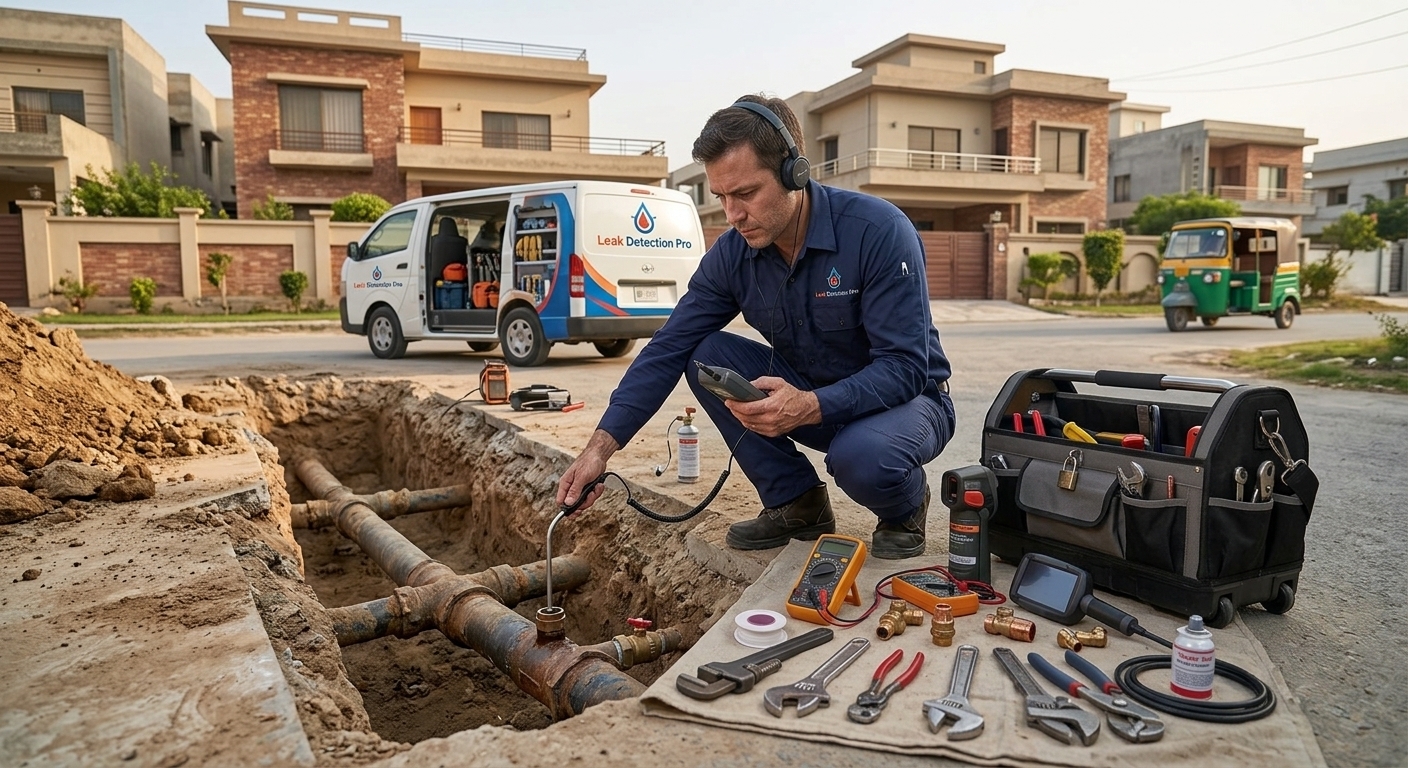
A plumbing leak does not always announce itself with a puddle or a dripping faucet. Some leaks develop behind walls, beneath floors, inside ceilings, or around underground pipes, where they can remain unnoticed for weeks or months. Leak detection helps identify these hidden problems before they lead to structural damage, mold growth, wasted water, or expensive repairs.
For homeowners and property managers, early identification is often the most practical approach. Professional plumbing services can investigate unusual water usage, damp areas, pressure changes, and other warning signs to determine whether a concealed leak may exist.
Why Hidden Plumbing Leaks Are Difficult to Identify
Visible leaks are generally straightforward to recognize. A damaged faucet, exposed pipe, or leaking connection can often be inspected directly. Hidden leaks are different because the source may be separated from the area where the first signs appear.
Water can travel through building materials before becoming visible. A small pipe leak behind a wall, for example, may eventually produce a stain several feet away from the actual problem.
Several factors can make concealed leaks particularly challenging:
-
Pipes may run behind walls or under flooring.
-
Underground supply lines are not directly accessible.
-
Water can move through insulation and structural materials.
-
Slow leaks may produce very little visible moisture.
-
Some leaks occur intermittently rather than continuously.
-
Plumbing fixtures can create symptoms that resemble pipe problems.
As a result, finding the visible moisture is not always enough. The real objective is to locate the source.
What Is Leak Detection?
Leak detection is the process of identifying the location and likely source of unwanted water loss within a plumbing system. Professional technicians may use visual inspections, pressure testing, acoustic equipment, thermal imaging, moisture measurements, or other diagnostic methods depending on the property and suspected leak.
The process is different from simply repairing a pipe that is already visible. Detection focuses on answering an important question: Where is the water actually coming from?
Once the source has been identified, homeowners can make a more informed decision about the appropriate repair.
Warning Signs That May Indicate a Hidden Leak
A concealed plumbing leak can produce subtle symptoms. Recognizing these signs early can help prevent a minor problem from becoming a major property issue.
Unexpected Increase in Water Usage
A noticeable increase in water consumption without a corresponding change in household activity can be an important warning sign.
If water usage rises while occupants maintain similar routines, a leak somewhere in the system may be worth investigating.
Damp or Discolored Walls and Ceilings
Brown, yellow, or expanding stains can indicate moisture behind a surface. Paint that bubbles, peels, or becomes unusually soft may also deserve attention.
However, the visible stain may not represent the exact location of the leak. Water can travel along framing, pipes, or other surfaces.
Musty Odors
Persistent musty smells can sometimes develop where moisture remains trapped. This is particularly relevant when an odor appears in an area without an obvious source of water.
Sounds of Running Water
Hissing, dripping, or running-water sounds can occur even when faucets and appliances are turned off. Such noises may indicate unwanted water movement within the plumbing system.
Low or Changing Water Pressure
Unexpected pressure changes can have several causes, but a plumbing leak is one possibility that should not be overlooked.
Warped Flooring or Damaged Cabinets
Wood, laminate, drywall, and other materials can react to prolonged moisture exposure. Warping, swelling, or deterioration around plumbing fixtures can indicate a problem beneath or behind the visible surface.
How Professional Leak Detection Works
A professional assessment generally begins with the symptoms rather than immediately opening walls or removing flooring. This helps narrow down potential sources and can reduce unnecessary disruption.
Step 1: Review the Property's Symptoms
The technician considers information such as:
-
When the issue first appeared
-
Whether water usage has changed
-
Which fixtures are affected
-
Whether stains are expanding
-
Whether unusual sounds occur
-
Whether the problem is continuous or intermittent
These observations can provide valuable clues.
Step 2: Inspect Accessible Plumbing
Visible fixtures, valves, connections, appliances, and exposed piping can be examined first. A straightforward visible leak may eliminate the need for more advanced diagnostic work.
Step 3: Test the Plumbing System
Depending on the suspected problem, pressure or other system tests can help determine whether water is escaping from a supply line or another component.
Step 4: Use Specialized Detection Methods
When the source remains concealed, professional technicians may use specialized tools designed to identify moisture or unusual conditions without immediately opening large sections of a structure.
Step 5: Confirm the Source
A strong diagnostic process aims to establish the most likely leak location before repair work begins. This can help reduce unnecessary demolition and make the repair more targeted.
Detection Methods Used for Different Plumbing Situations
Not every leak requires the same diagnostic approach. The appropriate method depends on the plumbing system, property construction, and suspected source.
|
Detection Approach |
Potential Application |
Main Benefit |
|
Visual inspection |
Fixtures and exposed pipes |
Quick identification of visible problems |
|
Pressure testing |
Water supply systems |
Helps identify pressure loss |
|
Acoustic equipment |
Concealed pressurized pipes |
Can help locate escaping water |
|
Thermal imaging |
Walls and other surfaces |
Helps identify temperature differences associated with moisture |
|
Moisture measurement |
Walls, floors, ceilings |
Helps assess affected areas |
|
Specialized inspection |
Difficult-to-access plumbing |
Supports more targeted diagnosis |
Professional judgment remains important because no single technique is appropriate for every property.
Why Early Leak Detection Can Prevent Expensive Damage
A small leak may appear harmless because the amount of water involved seems limited. The problem is that water can continue escaping for long periods when the source remains hidden.
Over time, persistent moisture can affect:
-
Drywall
-
Flooring
-
Cabinets
-
Insulation
-
Wood framing
-
Paint and finishes
-
Electrical components
-
Indoor air quality
The eventual repair may therefore involve more than replacing a pipe or fitting. It could include restoration of materials damaged by prolonged moisture.
Early leak detection can help property owners intervene before the problem expands.
Leak Detection Can Also Reduce Water Waste
Water loss is another reason concealed leaks deserve attention. A leak does not need to produce visible flooding to waste a significant amount of water over time.
A continuously leaking supply line can remain active day and night. Property owners may notice the financial effect through higher utility bills before noticing physical damage.
Monitoring water consumption can therefore complement routine plumbing maintenance. When usage changes unexpectedly, investigation may help determine whether the increase has a legitimate explanation.
Hidden Leaks in Different Areas of a Property
The location of a suspected leak can influence both diagnosis and repair strategy.
Behind Walls
Bathroom, kitchen, and laundry plumbing often runs through wall cavities. A leak may cause staining, bubbling paint, or moisture that appears away from the actual pipe.
Beneath Floors
Leaks below flooring can be difficult to identify without specialized investigation. Signs may include warped materials, damp odors, or unexplained moisture.
Under Slabs
Properties with slab foundations can present additional challenges because portions of the plumbing system may run beneath concrete. Specialized diagnostic techniques may help identify suspected problems before extensive work begins.
Around Water Heaters
Connections, valves, tanks, and associated piping can develop leaks. Water around the equipment should not automatically be dismissed as condensation.
Underground Supply Lines
Outdoor or underground leaks may produce unusually wet patches, changes in landscaping, or unexplained water loss. Early investigation can help prevent prolonged waste and soil-related problems.
When Should Property Owners Schedule an Inspection?
Not every unusual plumbing symptom confirms a leak. However, certain situations justify professional investigation.
An assessment may be appropriate when:
-
Water usage increases without explanation.
-
A wall or ceiling develops unexplained staining.
-
Water pressure changes suddenly.
-
A persistent damp or musty odor appears.
-
Flooring becomes warped near plumbing fixtures.
-
Water sounds continue when fixtures are turned off.
-
A plumbing problem repeatedly returns after repair.
-
Moisture appears in an area without an obvious source.
Early evaluation is generally more useful than waiting until substantial damage becomes visible.
Leak Detection vs. Waiting for Visible Damage
The difference between proactive detection and reactive repair can be significant.
|
Proactive Approach |
Reactive Approach |
|
Investigates warning signs early |
Waits for obvious damage |
|
Focuses on locating the source |
Often begins after damage is visible |
|
May reduce unnecessary disruption |
Can involve broader restoration |
|
Supports informed repair decisions |
May require urgent decisions |
|
Helps monitor water loss |
Water may continue escaping unnoticed |
This does not mean every suspected leak requires immediate major work. Instead, it highlights the value of accurate diagnosis.
Common Mistakes That Can Make Leak Problems Worse
Ignoring Small Warning Signs
A minor stain or unusual water bill may seem unimportant. Repeated symptoms, however, deserve attention.
Repairing the Wrong Area
Treating visible moisture without identifying the source can leave the underlying problem unresolved.
Opening Walls Without a Plan
Unnecessary demolition can increase repair costs and property disruption. Diagnostic work can help narrow down the suspected location first.
Assuming Every Leak Is Obvious
Some of the most damaging plumbing leaks produce little visible water. A dry-looking surface does not always mean the plumbing behind it is sound.
Delaying Professional Assessment
When symptoms persist, continued delay can allow moisture exposure and water loss to increase.
Choosing the Right Plumbing Services for Leak Investigation
Property owners comparing plumbing services should consider more than availability and advertised pricing. Leak investigation requires diagnostic ability, appropriate equipment, technical experience, and a methodical approach.
Important factors can include:
-
Experience with residential plumbing systems
-
Ability to investigate concealed leaks
-
Appropriate diagnostic equipment
-
Clear explanations of findings
-
Transparent recommendations
-
Careful repair planning
-
Attention to minimizing unnecessary property damage
-
Follow-up testing after repairs
The best service approach connects diagnosis with the eventual repair rather than treating each step as a separate task.
A Simple Hidden Leak Checklist
Property owners can use the following checklist when unusual plumbing symptoms appear:
-
Check recent water usage
-
Inspect visible pipes and connections
-
Look for unexplained stains
-
Listen for unusual water sounds
-
Check for musty odors
-
Monitor changes in water pressure
-
Inspect areas around plumbing fixtures
-
Avoid unnecessary demolition
-
Arrange professional assessment if symptoms continue
-
Confirm the source before major repairs
-
Test the plumbing after repair
This approach helps turn vague warning signs into a more organized investigation.
Protecting a Property Through Proactive Plumbing Care
A plumbing system can remain functional while developing problems that are not immediately visible. That is why preventive awareness matters. Small changes in water consumption, pressure, moisture, or indoor conditions can sometimes provide early clues.
Professional leak detection provides a way to investigate those clues before they become extensive property damage. When combined with routine inspections and timely repairs, it can support better plumbing performance and reduce the uncertainty surrounding hidden problems.
Ultimately, the most effective strategy is simple: recognize warning signs, identify the source accurately, and address plumbing problems before prolonged water exposure creates additional damage. For property owners seeking dependable diagnostic and repair support, Priscilla plumbing can be considered as a practical option for professional plumbing assistance.

