


Duct Insulation: Improve Energy Efficiency and Indoor Comfort
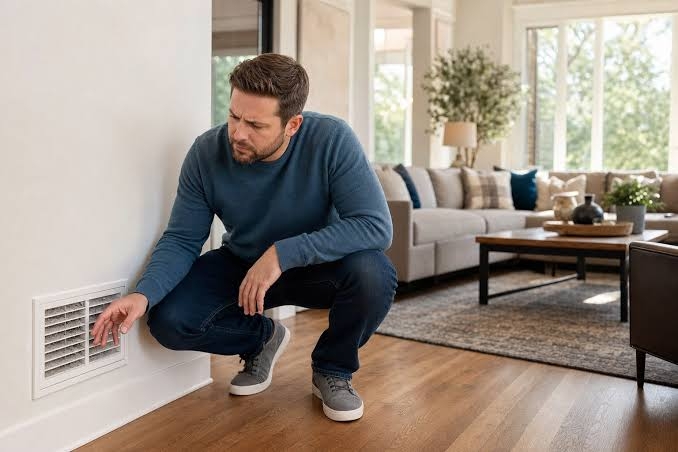
When it comes to improving a building’s energy efficiency, homeowners often focus on insulation in walls, attics, and crawl spaces. However, one important area that is sometimes overlooked is the HVAC ductwork. Proper duct insulation can help reduce energy loss, improve indoor comfort, and allow heating and cooling systems to operate more efficiently.
HVAC ducts carry heated and cooled air throughout a property. When these ducts pass through unconditioned spaces such as attics, basements, crawl spaces, or garages, poorly insulated ductwork can lose or gain heat before the air reaches the rooms. This can make HVAC systems work harder and may increase energy costs.
What Is Duct Insulation?
Duct insulation is a protective layer installed around HVAC ductwork to help control heat transfer. Depending on the building and duct system, different insulation materials can be used to reduce unwanted temperature changes as air travels through the ducts.
Without adequate insulation, conditioned air can lose some of its heating or cooling energy while traveling through areas that are much hotter or colder than the living space. Properly installed insulation helps maintain the desired air temperature and improves the overall performance of the HVAC system.
For homeowners looking to make their property more energy efficient, duct insulation can be an important part of a comprehensive insulation strategy.
Why Is Duct Insulation Important?
The main purpose of duct insulation is to minimize energy loss. However, its benefits extend beyond energy efficiency.
1. Reduce Energy Loss
Uninsulated or poorly insulated ducts can lose conditioned air energy as it moves through unconditioned areas. During hot summers, cool air traveling through a hot attic can absorb heat. During winter, heated air can lose warmth in cold spaces.
By insulating the ductwork, homeowners can help maintain more consistent air temperatures throughout the HVAC system.
2. Improve Indoor Comfort
Uneven temperatures between rooms can be frustrating. One room may feel comfortable while another remains too warm or too cold.
Proper duct insulation can help conditioned air reach its destination at a more consistent temperature. This can contribute to better comfort throughout the home.
3. Support HVAC Efficiency
When ducts lose less heat, an HVAC system may not need to work as hard to maintain the desired indoor temperature. This can support more efficient heating and cooling operation.
Duct insulation works particularly well when combined with properly sealed ductwork. Insulation helps control heat transfer, while duct sealing helps reduce air leakage.
4. Help Control Condensation
Temperature differences can sometimes cause moisture to form on duct surfaces, particularly when cold ducts are located in warm, humid areas.
Appropriate insulation can help keep duct surfaces closer to the temperature of the conditioned air and reduce the potential for condensation problems.
Where Is Duct Insulation Most Important?
Duct insulation can be especially valuable when HVAC ducts run through spaces that are not regularly conditioned.
Common areas include:
- Attics
- Crawl spaces
- Basements
- Garages
- Unfinished areas
- Exterior walls
- Other unconditioned spaces
The specific insulation requirements can depend on the location, climate, duct material, and HVAC system. A professional assessment can help determine whether existing ductwork has adequate insulation.
Signs Your Ducts May Need Insulation
Not every HVAC problem is caused by duct insulation, but certain signs may indicate that your ductwork should be inspected.
For example, you may notice:
- Large temperature differences between rooms
- Higher-than-expected heating or cooling costs
- HVAC systems running for long periods
- Ducts located in very hot or cold areas
- Condensation around duct surfaces
- Rooms that are difficult to keep comfortable
- Aging or damaged duct insulation
If you notice several of these issues, inspecting both duct insulation and duct sealing can be a useful step.
Duct Insulation vs. Duct Sealing
Duct insulation and duct sealing serve different purposes, and understanding the difference is important.
Duct insulation helps reduce heat transfer between the air inside the duct and the surrounding environment.
Duct sealing helps prevent conditioned air from escaping through cracks, gaps, joints, and other leaks in the duct system.
For the best HVAC performance, both can be considered as part of an overall energy-efficiency improvement plan. A duct system may have sufficient insulation but still lose air through leaks. Likewise, sealed ducts can still experience heat transfer if they are poorly insulated.
Choosing the Right Duct Insulation
The best insulation solution depends on several factors, including duct location, existing insulation, accessibility, climate, and the condition of the HVAC system.
A professional insulation contractor can evaluate the ductwork and recommend an appropriate approach. Proper installation is also important because gaps, compression, damaged materials, or incomplete coverage can reduce the effectiveness of insulation.
Homeowners should avoid choosing an insulation solution based only on price. The quality of the material, installation process, and suitability for the specific duct system all matter.
Professional Duct Insulation Services
Installing or upgrading duct insulation is an important home energy-efficiency project. Professional contractors can inspect accessible ductwork, identify areas where insulation may be inadequate, and determine whether other problems such as air leakage need attention.
Green Seal Energy provides energy-efficiency and insulation solutions designed to help homeowners improve the performance and comfort of their properties. If your HVAC ducts pass through an attic, crawl space, basement, or another unconditioned area, professional evaluation can help determine whether additional insulation could benefit your home.
A comprehensive assessment can also identify other opportunities to improve energy efficiency, including attic insulation, air sealing, and insulation upgrades in other areas of the building.
How Duct Insulation Can Improve Home Energy Performance
A home's energy performance depends on many interconnected components. Windows, doors, walls, ceilings, insulation, HVAC equipment, and ductwork can all influence energy consumption.
Duct insulation addresses one part of this system by helping conditioned air maintain its temperature as it travels through the property. When combined with proper air sealing and adequate building insulation, it can contribute to a more efficient and comfortable indoor environment.
For homeowners planning energy-efficiency improvements, ductwork should not be overlooked.
Conclusion
Proper duct insulation can play an important role in improving HVAC efficiency, maintaining indoor comfort, and reducing unwanted heat transfer. Insulating ducts in attics, crawl spaces, basements, and other unconditioned areas can help conditioned air maintain a more consistent temperature as it travels through the home.
If you are experiencing uneven temperatures, high energy costs, or HVAC ducts exposed to extreme temperatures, consider having your ductwork professionally inspected. Green Seal Energy can help homeowners identify insulation opportunities and develop practical solutions for improving overall home energy performance.
Investing in the right insulation strategy can make your home more comfortable while supporting long-term energy efficiency.

