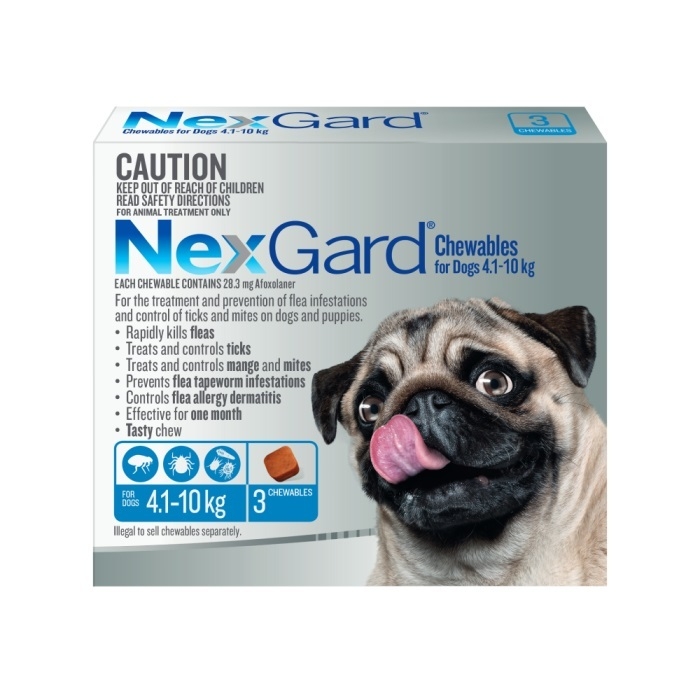
Nexgard for dogs refers to an oral veterinary medication used for the control of fleas and ticks in dogs. It contains afoxolaner, an active ingredient belonging to the isoxazoline class of compounds. In the United States, it is available by prescription and is administered according to the dog's weight and applicable veterinary directions. Understanding its uses, administration, potential side effects, and precautions can help explain how this type of parasite-control medication fits into routine canine care.
What Is Nexgard for Dogs?
Nexgard for dogs is a flavored chewable medication designed to provide systemic control of certain fleas and ticks. Unlike products that remain primarily on the surface of an animal's skin, the active ingredient is absorbed into the dog's bloodstream.
When susceptible fleas or ticks feed on a treated dog, they are exposed to afoxolaner. The compound interferes with specific nervous-system processes in the parasites, resulting in their paralysis and death.
The medication is formulated specifically for dogs and should not be given to cats or other animals unless a veterinarian specifically determines that a treatment is appropriate.
What Is Nexgard Used For?
The primary purpose of Nexgard for dogs is controlling certain flea and tick infestations. Fleas can cause itching, skin irritation, and allergic reactions in sensitive dogs. Persistent flea infestations can also contribute to discomfort and, in severe circumstances, blood loss.
Ticks are another concern because several tick species can transmit diseases to dogs. Regular parasite control can therefore form part of a broader approach to maintaining a dog's health.
The parasites controlled by the medication depend on its current U.S. labeling. A veterinarian can determine whether the medication provides coverage appropriate for the parasite risks in a particular location.
How Does Nexgard Work?
After oral administration, afoxolaner enters the dog's bloodstream. Fleas and ticks are exposed to the active ingredient when they feed on the treated animal.
Afoxolaner affects parasite-specific ligand-gated chloride channels, disrupting normal nervous-system activity. This ultimately causes susceptible parasites to become paralyzed and die.
Because the medication works systemically, it should not be considered a physical repellent that prevents every flea or tick from contacting a dog. Parasites may still attach or feed before being affected by the medication.
How Is Nexgard for Dogs Administered?
Nexgard for dogs is generally administered orally once a month. The appropriate chewable strength is selected according to the dog's body weight.
The medication should be given according to the veterinarian's instructions and current prescribing information. The dog should receive the formulation intended for its specific weight range.
If a dose is missed, the owner should follow the instructions provided by the veterinarian or prescribing information rather than attempting to compensate with an additional dose without guidance.
Age and Weight Considerations
A dog's age and weight are important factors when determining whether this medication is appropriate. The U.S. labeling specifies minimum age and weight requirements.
Growing puppies may change weight quickly, so their dosing category may need to be reassessed as they mature. Accurate weight information helps ensure that the appropriate formulation is selected.
A veterinarian can determine the suitable dose for a dog based on its current weight and individual circumstances.
Potential Side Effects
Like other medications, Nexgard for dogs can cause adverse reactions in some animals. Reported reactions can include vomiting, diarrhea, lethargy, itching, or other digestive or behavioral changes.
Medications in the isoxazoline class have also been associated with neurological adverse reactions in some dogs. These may include tremors, lack of coordination, or seizures.
A dog that develops unusual or severe symptoms after receiving the medication should receive veterinary attention. A veterinarian can determine whether the symptoms may be related to the medication or another underlying condition.
Dogs With a History of Seizures
Special consideration may be appropriate for dogs with a history of seizures or neurological disorders. The potential benefits and risks of flea and tick treatment can vary according to the individual animal.
A veterinarian should be informed about any previous seizures, neurological symptoms, or other significant medical conditions before treatment is started.
This information can help determine whether the medication is appropriate or whether another parasite-control approach should be considered.
Other Medications and Health Conditions
Before Nexgard for dogs is administered, the veterinarian should be informed about other medications, supplements, and treatments the dog receives.
Existing health conditions can also influence treatment decisions. Dogs that are pregnant, nursing, elderly, underweight, or affected by chronic illnesses may require individualized veterinary assessment.
Medication decisions should be based on the dog's overall health rather than parasite exposure alone.
Flea Control and the Home Environment
Controlling fleas can involve more than treating the dog. Flea eggs, larvae, and pupae can remain in carpets, bedding, furniture, cracks, and outdoor areas.
As a result, an established infestation may continue even after adult fleas on the dog are killed. Washing bedding, cleaning household areas, and following appropriate environmental-control measures can help address different stages of the flea life cycle.
Veterinary or professional pest-control guidance may be appropriate for persistent infestations.
Tick Exposure in the United States
Tick exposure varies across the United States. Dogs may encounter ticks in wooded areas, grasslands, parks, hiking trails, and even residential yards.
Regular inspection of a dog's coat and skin can help identify attached ticks. Particular attention can be given to areas around the ears, neck, paws, and between the toes.
Parasite-control medication can be part of a preventive strategy, but it does not eliminate the possibility of a dog encountering a tick.
Veterinary Guidance
Nexgard for dogs is a prescription medication in the United States. A veterinarian can assess whether it is suitable based on factors such as age, weight, medical history, current medications, geographic parasite risks, and previous reactions to treatments.
Veterinary guidance is particularly relevant when a dog has neurological conditions, has experienced seizures, or develops unexpected symptoms after administration.
Conclusion
Nexgard for dogs is an oral flea and tick medication containing afoxolaner. It works systemically by exposing susceptible parasites to the active ingredient when they feed on a treated dog. The medication is generally administered monthly, with the appropriate formulation determined by the dog's weight and applicable prescribing information.
Potential adverse effects can occur, including digestive symptoms and, in some cases, neurological reactions. Dogs with specific medical conditions may require additional consideration before treatment.
For U.S. dog owners, appropriate flea and tick management can involve veterinary guidance, correctly administered medication, regular parasite checks, and environmental control when necessary. The suitability of Nexgard for dogs should ultimately be determined according to the individual dog's health and current veterinary recommendations.