


Adaptive Optical Materials for Modern Eyewear Development
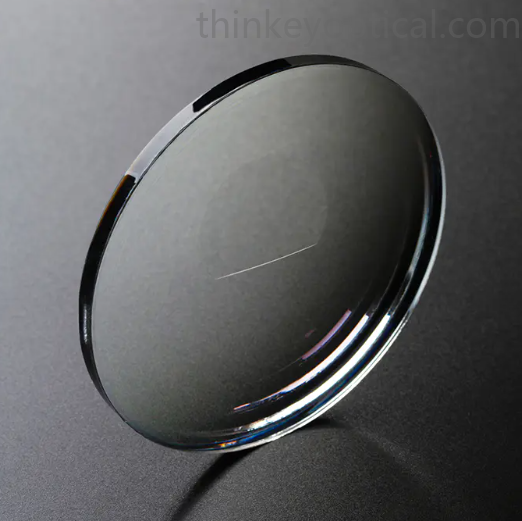
The optical industry is increasingly combining material science with adaptive technologies to develop products for changing visual environments, and Photochromic Blue Glasses represent one area where responsive materials and contemporary optical design come together. Their development requires cooperation among optical engineers, material researchers, coating specialists, manufacturing teams, and quality professionals to maintain consistency from initial design through final inspection.
Material selection is a fundamental part of adaptive optical development. Manufacturers may evaluate optical polymers, glass substrates, photoresponsive compounds, and functional coating materials according to transparency, durability, processing behavior, and compatibility. Different material combinations can react differently during shaping, polishing, cleaning, coating, and exposure to environmental conditions, so laboratory evaluation is important before large-scale manufacturing begins.
In professional optical production, Photochromic Blue Glasses require coordinated control of material processing, optical design, surface treatment, and inspection. Digital manufacturing systems can record important process information and provide engineers with greater visibility into production conditions. When production data is organized effectively, technical teams can identify variations earlier and make informed adjustments to improve process stability.
Photoresponsive technology is based on materials that change their optical characteristics under specific lighting conditions. Engineers study the relationship between material composition, light exposure, temperature, surface treatment, and optical response. Controlled laboratory testing can help researchers understand these interactions and establish appropriate processing conditions before products move into commercial manufacturing.
Optical design also requires careful consideration of how light interacts with the finished structure. Computer-assisted design and simulation tools allow engineers to study optical geometry and material behavior before physical production. Digital modeling can reduce unnecessary trial processing and make it easier for design and manufacturing teams to communicate technical requirements.
Precision manufacturing may include material preparation, shaping, grinding, polishing, cleaning, coating, and final inspection. Each stage can influence the finished optical surface. Stable equipment operation and controlled production environments can reduce unwanted variations, while automated machinery can improve repeatability across production cycles.
Surface treatment is particularly important for functional optical products. Specialized coatings may provide surface protection, reflection management, or other optical functions. Consistent coating quality depends on proper cleaning, surface preparation, controlled application, and suitable curing or finishing procedures. Inspection after treatment helps manufacturers identify surface variations before products enter the next stage.
Quality management should extend throughout the manufacturing process rather than relying only on final inspection. Incoming materials can be checked before production, while intermediate processes can be monitored through defined quality checkpoints. Final evaluation may include visual inspection, surface assessment, and optical testing. Digital records can provide traceability and help engineers analyze recurring production issues.
Automation is creating new opportunities for adaptive optical manufacturing. Automated handling can reduce unnecessary contact with sensitive surfaces, while digitally controlled equipment can improve process repeatability. Intelligent inspection systems can also assist with identifying surface variations and other manufacturing inconsistencies. Human expertise remains essential because engineers must interpret production data and determine appropriate process adjustments.
Sustainability is another consideration for modern optical manufacturing. More efficient material utilization, reduced process waste, optimized production planning, and responsible packaging can contribute to resource-efficient operations. Digital production management can also help manufacturers coordinate material use and reduce unnecessary processing activities.
Future development in adaptive eyewear is likely to involve continued research into responsive materials, advanced coating systems, digital optical modeling, and intelligent manufacturing. As material technologies improve, manufacturers will have more opportunities to create optical products with carefully controlled functional characteristics while maintaining efficient production systems.
Thinkey Optical Co.,Ltd continues to develop professional optical solutions through material research, precision manufacturing, surface technology, digital engineering, and systematic quality management. The company supports international customers with reliable optical products and continuous technical development. More information about its optical capabilities and manufacturing expertise can be found through https://www.thinkeyoptical.com as part of its continued development in the global optical industry.

