


U4N Explores the Changing Definition of Path of Exile 2 1.0
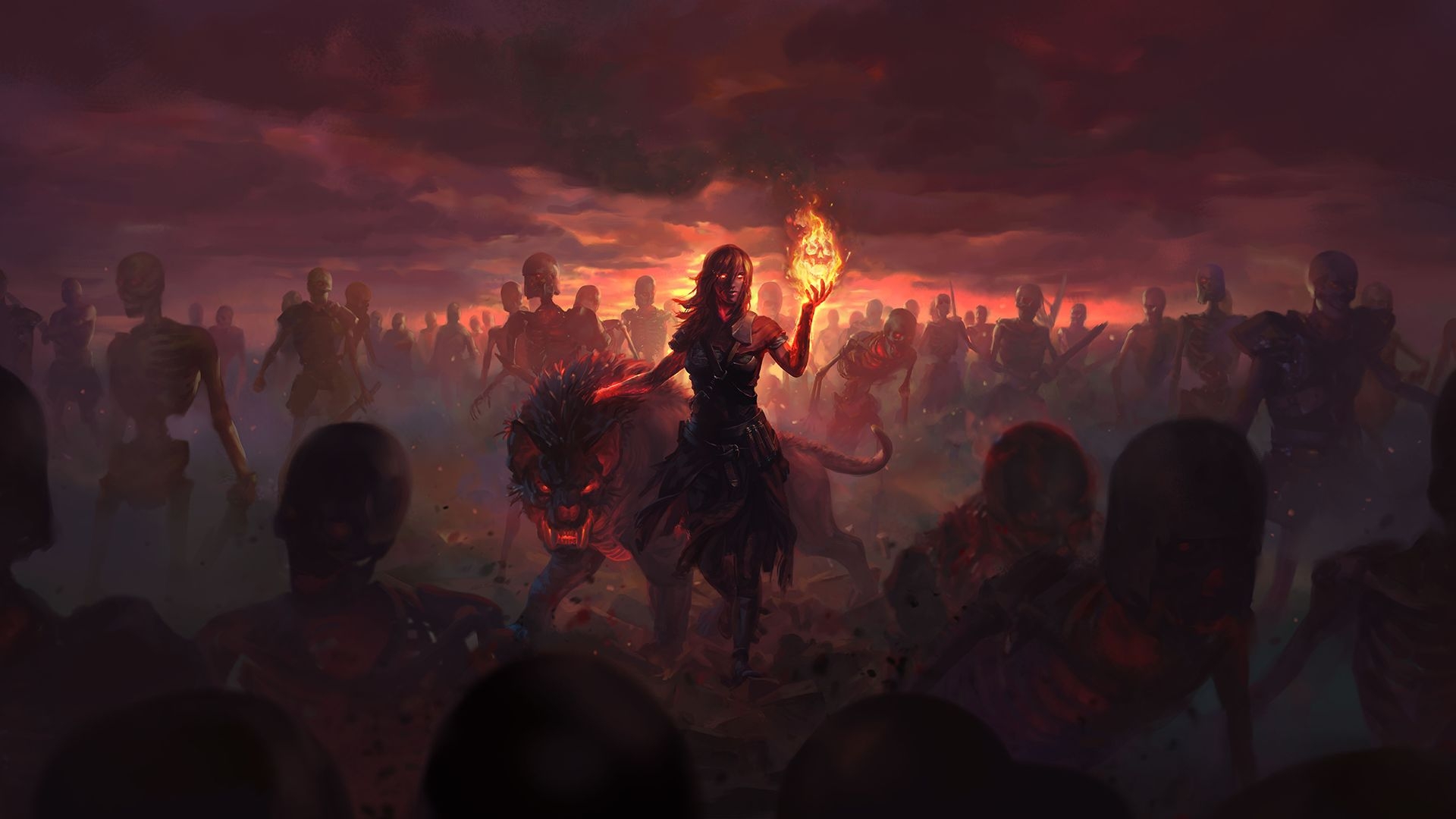
Grinding Gear Games' announcement that Path of Exile 2 will leave Early Access on December 11 has sparked plenty of discussion among players. The action RPG entered Early Access in December 2024 with a much smaller portion of its planned roster, and nearly two years later, several major pieces are still missing. For players who have invested time into builds and Path of Exile 2 Currency, the move to 1.0 is therefore more than a simple version number change.
The original roadmap described 12 base classes with three Ascendancies for each, creating 36 Ascendancy options. Since launch, the Huntress and Druid have expanded the roster, while Gamescom 2026 footage confirmed that the Duelist and swords are next. However, the planned Marauder, Templar, and Shadow remain outside the current lineup.
A 1.0 Label Raises Expectations
The phrase "1.0 release" traditionally suggests that a game has moved beyond unfinished development and contains the major systems originally promised.
That is why Path of Exile 2's upcoming transition is attracting attention. Even though the game has received numerous substantial updates, it still lacks several classes and weapon types that were discussed long before Early Access began.
The question is not whether the current game is playable. Clearly, it is. The question is whether the December version will represent the complete foundation that players were originally expecting.
The Duelist Is The Next Major Addition
The Gamescom presentation has provided a clearer look at what is coming next. The Duelist will arrive alongside swords, with at least two associated Ascendancies expected.
If those additions make it into the December release, Path of Exile 2 will have progressed significantly from its original six-class Early Access roster.
However, the game would still be missing three previously planned classes. Huntress and Druid would also remain without their third Ascendancies, meaning the original 12-by-three structure would not yet be complete.
Weapons Are More Important Than They Look
The missing weapon categories are particularly significant because weapons in Path of Exile 2 are deeply tied to character design.
The Huntress did not simply add another class. Spears arrived alongside her, bringing new skills and interactions. The Druid similarly introduced Talismans and opened new build possibilities.
Swords, axes, daggers, and flails should therefore be viewed as entire gameplay packages rather than individual equipment types. Their eventual introduction could add skills, supports, passive nodes, and interactions that reshape existing builds.
Build Diversity Depends On New Systems
Path of Exile 2's strength has always been its emphasis on build experimentation. Unusual combinations can emerge when new mechanics interact with older systems in unexpected ways.
The introduction of new weapon types can expand that design space dramatically. A build may combine a new skill with existing supports, passives, or unique items to create something that developers and players could not have anticipated earlier.
That is why placeholder weapon nodes in the passive tree attract so much attention. They suggest that a portion of the game's intended build ecosystem remains unavailable.
The 2013 Release Provides Perspective
The original Path of Exile reached version 1.0 in October 2013. At that point, the planned class lineup was already complete, with the Scion joining the six existing classes.
Later updates introduced Ascendancies and the Labyrinth, adding new layers rather than completing the core roster.
Grinding Gear Games was considerably smaller then, yet it managed to deliver its planned launch foundation. Path of Exile 2 is much more ambitious, but that comparison helps explain why some players are skeptical about calling the current development stage 1.0.
What The Studio May Be Prioritizing
Game director Jonathan Rogers has acknowledged that delivering every planned class by launch is not realistically possible. That suggests Grinding Gear Games may be defining 1.0 around the game's overall structure rather than absolute completion of every planned class.
If the remaining campaign, Duelist, swords, and enough new Ascendancies arrive in December, the studio could argue that the central experience is complete and that additional classes can be treated as post-launch content.
Preparing For The Transition
Players following the economy may also be interested in the developing poe2 trade landscape as new content changes demand for equipment and resources. New skills and weapons can quickly make certain items more attractive, while established builds may experience shifts in cost.
The 1.0 transition should therefore be viewed as an important economic and gameplay milestone, even if development continues afterward. Players may need to adapt their expectations as new classes and weapons arrive over time.
A Different Kind Of Full Release
Ultimately, Path of Exile 2 may redefine what its community considers a complete launch. If the December version feels polished, cohesive, and sufficiently broad, the missing classes may be easier to accept as future additions.
The announcement is still a significant achievement for Grinding Gear Games. After nearly two years of Early Access development, the game is moving toward a formal release while continuing to build on an ambitious foundation.

