


When Should Buyers Check jinglitools Drilling Machine for Heat Problems?
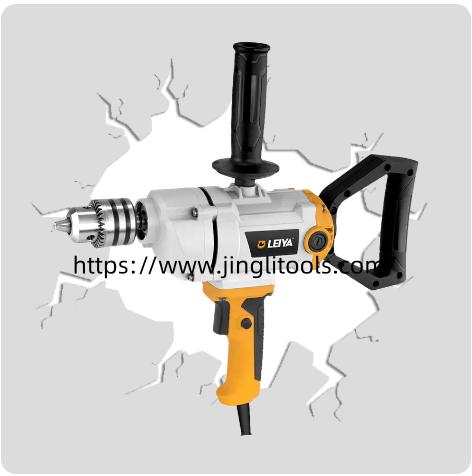
Drilling Machine overheating during long workshop jobs can be connected to continuous operation, excessive resistance, unsuitable accessories, restricted airflow, operator technique, or an application that places too much demand on the equipment. For workshops handling repeated production and maintenance tasks, managing heat is an important part of daily equipment care. A gradual temperature increase does not automatically mean that an internal component has failed. Users should first examine the working conditions and identify which part of the process may be creating additional load.
Continuous Operation Can Increase Temperature
Motors generate heat while operating, and demanding applications can increase the amount of heat produced during a working cycle. If equipment is used repeatedly without suitable pauses, heat may accumulate faster than the housing and internal cooling system can release it.
This can become noticeable during production work involving many holes or repeated fastening and assembly operations. The equipment may perform normally at the beginning of a task but become warmer after extended use.
Workshop managers can organize demanding jobs into reasonable operating periods. Short intervals between heavy tasks may give internal components additional time to release accumulated heat.
Material Resistance Changes the Workload
Different materials require different levels of cutting effort. Soft materials may create relatively low resistance, while hard metals, dense boards, and other difficult materials can require greater force.
Applying excessive pressure does not necessarily make the process faster. Instead, it can increase the load placed on the motor and cause additional heat.
Operators should allow the accessory to work at a suitable pace. Choosing an attachment designed for the material can also reduce unnecessary resistance during operation.
Accessory Condition Should Be Monitored
A worn accessory can change the way equipment interacts with the workpiece. When cutting performance decreases, operators may naturally push harder to compensate.
This additional pressure can increase mechanical resistance and create more heat. For this reason, accessories should be inspected regularly for dull edges, deformation, cracks, or other visible signs of wear.
Using an appropriate attachment for the material and hole size can make the task easier to control. Keeping accessories organized also allows operators to replace unsuitable items without delaying production.
Airflow Needs Regular Attention
Cooling depends partly on the ability of air to move around the motor housing. Workshop environments can contain dust, chips, fibers, and other particles that may collect around ventilation openings.
If airflow becomes restricted, heat may remain inside the housing for longer periods. Regular cleaning can therefore be included in the workshop maintenance schedule.
Operators should also make sure their hands, clothing, or nearby materials do not block ventilation openings during use. Maintaining clear airflow is a simple part of good equipment handling.
Operator Technique Can Affect Heat
The way a worker applies pressure can influence the workload. Excessive force, poor alignment, repeated stalling, or an unsuitable operating setting may increase stress on the motor.
A controlled approach is generally easier to manage. The operator should maintain proper alignment and apply enough pressure to keep the accessory engaged without forcing it unnecessarily.
For factories with multiple shifts, consistent operator training can also reduce differences in equipment handling. Simple instructions regarding pressure, attachment selection, cleaning, and operating intervals can support more consistent daily use.
Workshop Conditions Matter
The surrounding environment can influence how quickly equipment releases heat. A hot workspace, limited airflow, heavy dust, or a confined working area can create additional challenges during long production cycles.
Workshop managers can consider equipment placement and general ventilation when organizing workstations. Keeping the immediate working area clean can also reduce the amount of debris entering ventilation openings.
Where several units are available, distributing demanding tasks between equipment can reduce continuous use of one individual unit.
Maintenance Can Reveal Temperature Problems
Routine inspection gives users an opportunity to notice changes in operating behavior. Teams can check the exterior housing, ventilation openings, accessories, connections, unusual sounds, vibration, and changes in normal working speed.
If equipment begins becoming hot much faster than it did previously under similar conditions, the change should be investigated. Comparing current behavior with maintenance records may help determine whether the cause is related to workload, accessories, or equipment condition.
A maintenance log can record inspection dates, operating hours, unusual symptoms, and service activities. This information can be useful when evaluating whether equipment needs servicing or replacement.
Buyers Should Match Equipment to Actual Applications
Industrial buyers should consider their real working requirements before choosing equipment. Important factors include material type, hole dimensions, daily operating frequency, expected workload, accessory availability, ergonomic requirements, cooling arrangements, and maintenance needs.
jinglitools offers equipment for workshop and industrial applications, allowing buyers to evaluate different options according to their intended tasks. Rather than focusing on one specification, purchasing teams can provide information about their production conditions and expected usage when discussing suitable configurations with a manufacturer.
This approach can also help manufacturers understand what buyers actually need. A workshop handling occasional maintenance may have different requirements from a factory processing materials throughout multiple shifts.
After purchasing, proper operation and routine care remain important. Cleaning ventilation areas, checking accessories, avoiding unnecessary pressure, and allowing suitable pauses during demanding work can help users manage temperature more effectively.
For businesses looking for equipment for workshop production, maintenance, and material processing, the https://www.jinglitools.com/ provides a place to review available solutions according to different application requirements. By connecting equipment selection with real workload, working conditions, and maintenance practices, buyers can establish a more practical approach to long-duration workshop operations.

