


Hybrid Car Servicing Explained: What Needs Checking and When
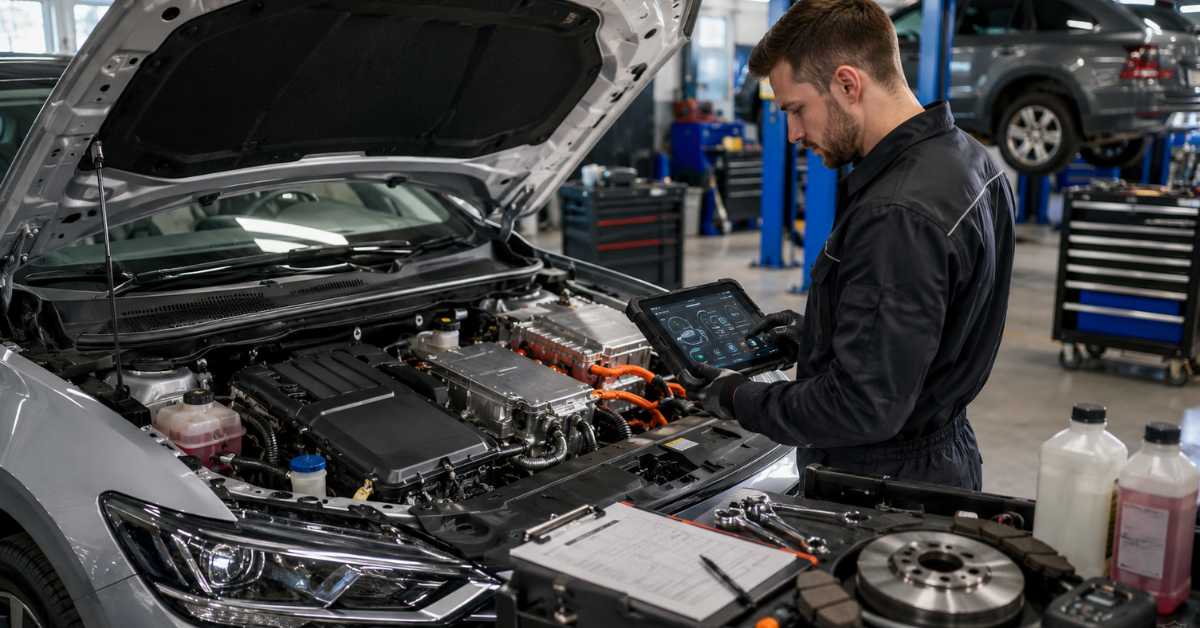
Hybrid cars have changed the way many drivers think about everyday motoring. By combining a petrol or diesel engine with an electric motor and high-voltage battery, they can reduce fuel consumption and make stop-start driving more efficient.
However, that combination also means servicing involves more than checking the engine and changing the oil. The braking system, battery, cooling systems and electronic controls all play an important role in keeping a hybrid working properly.
If you're looking for help with routine maintenance or a more detailed inspection, choosing a hybrid car servicing specialist can be useful, particularly when electrical or battery-related issues need investigating.
So, what actually needs checking, how often should a hybrid be serviced, and when is a battery health check worthwhile?
Do Hybrid Cars Need Different Servicing?
Yes, although much of the routine maintenance is familiar.
A hybrid still has an engine that needs oil, filters, coolant and other routine checks. Depending on the vehicle, spark plugs and other engine components will also have their own replacement schedules.
The difference is the additional electrical system. The electric motor, high-voltage battery, battery cooling system and associated control electronics need to be considered during servicing.
Regenerative braking is another important difference. Instead of relying entirely on the conventional brakes to slow the car, the electric motor can help recover energy during deceleration. This can reduce wear on brake pads and discs, although these components still need regular inspection.
What Is Checked During a Hybrid Car Service?
The exact checklist depends on the manufacturer and model, but a proper service will generally cover the vehicle's major mechanical and hybrid systems.
Engine, Oil and Filters
The combustion engine still requires conventional maintenance.
A technician may check or replace:
-
Engine oil and oil filter
-
Air filter
-
Spark plugs where applicable
-
Engine coolant
-
Belts and other accessible engine components
-
Fluid levels and signs of leaks
Oil condition is particularly important because the engine may switch on and off frequently during normal hybrid driving. The correct oil specification should always be used according to the manufacturer's requirements.
Hybrid Battery and Electrical System
The high-voltage battery is one of the biggest differences between a hybrid and a conventional car.
During an inspection, a technician may look for warning signs, diagnostic faults and issues affecting the battery's operation. Depending on the vehicle and the reason for the inspection, this can include checking the battery management system and its cooling arrangements.
Electrical connections and related components may also be inspected where appropriate.
A battery health assessment is not necessarily part of every routine service. If the vehicle is showing symptoms or the manufacturer recommends additional testing, a more detailed diagnostic check may be appropriate.
Brakes and Regenerative Braking
Hybrid braking systems deserve particular attention.
Regenerative braking can reduce the amount of work carried out by the conventional braking system, but brake pads, discs and calipers can still deteriorate with age and use.
A service may therefore include checks on:
-
Brake pads and discs
-
Calipers
-
Brake fluid
-
Parking brake operation
-
Signs of uneven wear or corrosion
-
The general operation of the braking system
Even if the brake pads have plenty of material remaining, regular inspection is worthwhile because components can suffer from corrosion or reduced use.
Transmission and Cooling Systems
Hybrid drivetrains vary considerably between manufacturers. Some use different types of transmission or power-split systems, while others have their own specific designs.
For this reason, transmission servicing should follow the manufacturer's instructions rather than a generic hybrid servicing schedule.
Cooling is also important because both the combustion engine and electrical components generate heat. Depending on the vehicle, separate cooling arrangements may be used for different parts of the system.
How Often Should a Hybrid Car Be Serviced?
There isn't one mileage figure that applies to every hybrid.
The best starting point is the manufacturer's service schedule, which normally sets out both mileage and time-based intervals. The requirements can vary depending on the make, model, engine, hybrid system and age of the vehicle.
Driving conditions can also affect maintenance needs. Frequent short journeys, heavy traffic, repeated stop-start driving and demanding conditions may place different demands on a vehicle compared with regular longer-distance driving.
Rather than relying on a general rule such as servicing every 10,000 or 15,000 miles, check the vehicle handbook or manufacturer's maintenance information.
If you're buying a used hybrid, it is also worth checking its service history. A consistent record can provide useful evidence that routine maintenance has been carried out when required.
When Does a Hybrid Need a Battery Health Check?
A battery health check is different from a standard service.
Modern hybrid batteries are designed to last for many years, but their condition can change over time. A dedicated assessment may be useful if the car develops symptoms that could indicate a problem with the hybrid system.
Possible warning signs include:
-
A noticeable drop in fuel economy
-
Reduced electric assistance
-
Unusual changes in how the vehicle switches between power sources
-
Hybrid-system warning lights
-
Reduced overall performance
-
Cooling-fan activity that seems unusual
These symptoms don't automatically mean the battery is failing. Other components can produce similar problems, which is why proper diagnosis matters before any expensive repair is considered.
For a used hybrid, a battery health assessment can also provide additional information when the vehicle has higher mileage or an uncertain maintenance history.
Why Hybrid Diagnostics Require Specialist Knowledge
A conventional diagnostic scanner can be useful, but hybrid vehicles have additional systems that may require more specialised equipment and knowledge.
Depending on the vehicle, diagnosis can involve the hybrid control system, battery management system, electric motor or generator, regenerative braking and manufacturer-specific fault information.
High-voltage components also require appropriate safety procedures. They should not be treated in the same way as ordinary 12-volt electrical components.
For that reason, owners should make sure the garage or technician working on a hybrid has the appropriate training, equipment and procedures for the vehicle.
Hybrid Servicing Mistakes Owners Should Avoid
Small maintenance decisions can have a significant effect on long-term reliability. Avoid these common mistakes:
1. Ignoring the manufacturer's service schedule
A hybrid still needs regular maintenance even if it spends considerable time running on electric power.
2. Treating it exactly like a conventional petrol car
The engine needs familiar servicing, but the hybrid battery, electrical systems and regenerative braking also need attention.
3. Ignoring warning lights
A warning light doesn't always indicate a major failure, but leaving a developing problem unchecked can make diagnosis and repair more difficult.
4. Using incorrect fluids or parts
Always follow the manufacturer's specifications for oil, coolant, filters and other replacement components.
5. Choosing a garage without appropriate hybrid experience
High-voltage systems require suitable safety procedures and equipment. Ask about the technician's experience with the type of hybrid you own.
6. Assuming a healthy-feeling car never needs further checks
Some developing problems may not be obvious from the driver's seat. Regular servicing helps identify issues before they become more serious.
Final Thoughts
Hybrid servicing isn't necessarily more complicated for the owner. It simply involves a few additional systems alongside the mechanical components found in conventional vehicles.
Following the manufacturer's maintenance schedule, paying attention to warning signs and using appropriately trained technicians can help keep the engine, battery, brakes and electrical systems in good working order.
For older or higher-mileage hybrids, a dedicated battery health assessment may also provide useful reassurance when there are concerns about performance or fuel economy.

