


Why Some Shoulder Dislocations Require Surgical Treatment
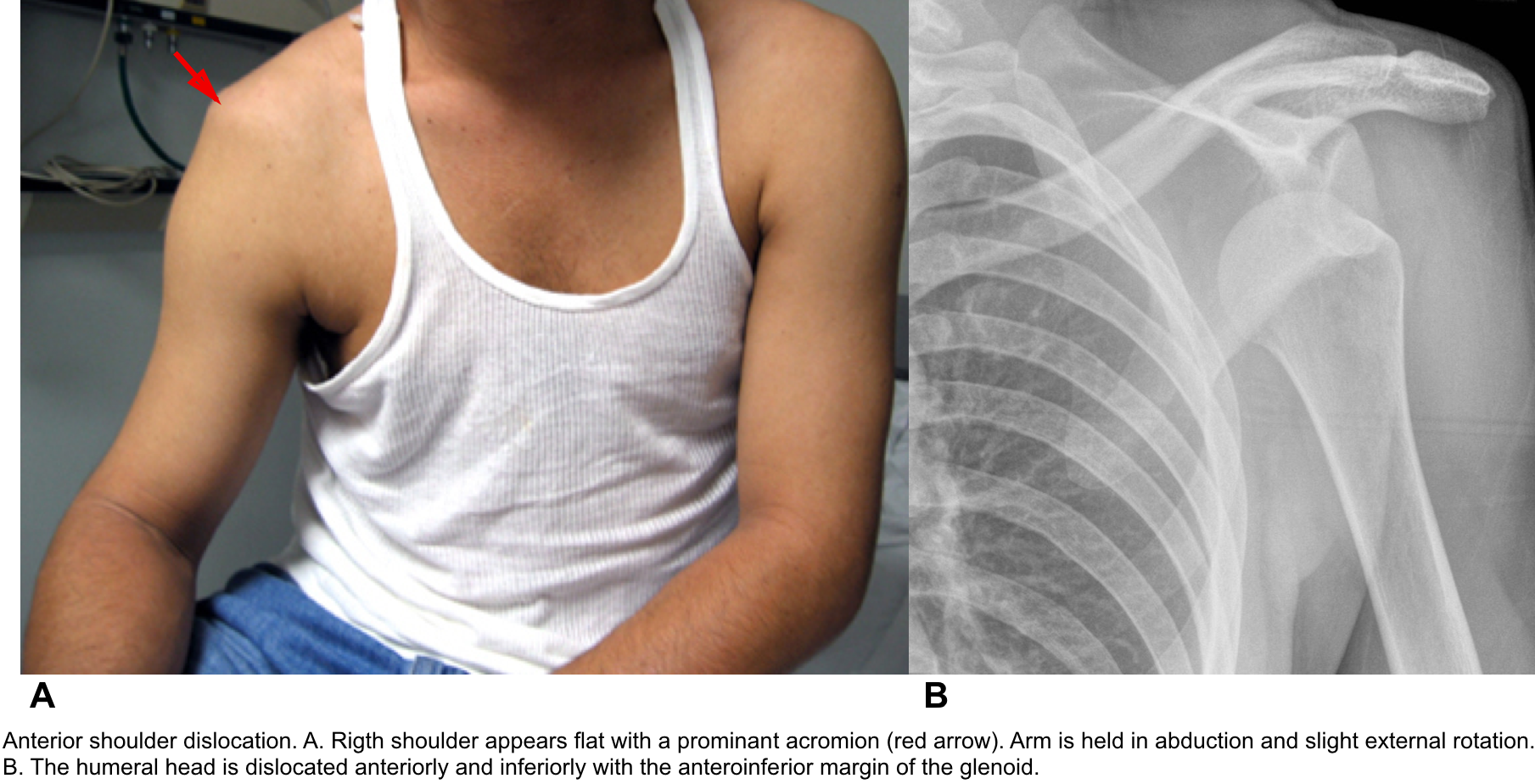
Not every shoulder dislocation heals the same way. Some require surgical intervention for lasting stability. Understanding these reasons helps patients feel informed. This article explores why surgery sometimes becomes necessary.
The Nature of Shoulder Dislocations
Shoulder dislocations involve joint displacement. The upper arm separates from its socket. This can stretch or tear surrounding tissue. Severity varies significantly between injuries. Understanding this variation guides treatment decisions.
Ligament damage often accompanies more severe dislocations. This affects long-term joint stability considerably.
Recurrent Instability as a Key Factor
Repeated dislocations often indicate structural weakness. Ligaments may become too loose for support. This pattern frequently worsens without treatment. Surgery can restore stability effectively. Doctors consider recurrence frequency carefully.
Younger, active patients face higher recurrence risk. This influences surgical recommendations significantly.
Structural Damage Identified Through Imaging
MRI scans reveal torn ligaments clearly. Labral damage often accompanies dislocation injuries. Bone damage may also be present. These findings often support surgical recommendations. Imaging provides essential diagnostic clarity.
Bankart lesions are a common finding. This specific damage often benefits from surgical repair.
Age and Activity Level Considerations
Younger patients face higher redislocation risk. Athletes often require more stable joints. Active lifestyles increase reinjury likelihood. These factors influence surgical decision-making. Doctors weigh lifestyle goals carefully.
Contact sport athletes often face particular consideration. Their activity increases risk of recurrent injury.
Failed Conservative Treatment
Physical therapy helps many dislocation cases. Some patients don't respond adequately. Persistent instability despite therapy is significant. Surgery becomes a reasonable next step. Doctors carefully evaluate treatment response first.
Several months of therapy often precede this decision. This ensures surgery is truly necessary.
Bone Damage Requiring Repair
Severe dislocations can damage bone structure. Bone loss may affect joint stability significantly. This type of damage often requires surgical correction. Doctors assess bone integrity through imaging. Treatment addresses both soft tissue and bone.
Significant bone loss increases redislocation risk. Surgical repair helps restore structural support.
Understanding Surgical Repair Options
Arthroscopic techniques repair torn tissue precisely. Small incisions reduce recovery time somewhat. Open surgery suits more complex damage. Bone grafting may be necessary sometimes. Surgeons choose approaches based on findings.
Recovery expectations differ slightly between techniques. Doctors explain the most appropriate option clearly.
The Consultation and Decision Process
Doctors review imaging and examination findings together. Discussing lifestyle goals helps guide decisions. Patients often ask about long-term outcomes. Understanding risks and benefits supports informed choices. Clear communication improves treatment satisfaction.
Considering options for shoulder dislocation surgery involves weighing several factors together. Doctors help patients navigate this decision thoughtfully.
What Happens During Recovery
Recovery begins with protected rest. Physical therapy follows within a few weeks. Strength gradually rebuilds over several months. Sport-specific training may follow general rehabilitation. Timelines vary based on individual healing.
Consistency with therapy supports better long-term results. Following guidance closely protects surgical outcomes.
Long-Term Benefits of Surgical Treatment
Surgery can significantly reduce redislocation risk. Many patients regain confident shoulder function. Return to sport becomes more likely afterward. Long-term stability supports active lifestyles. Quality of life often improves meaningfully.
Patients often report renewed confidence in movement. This positively affects daily activities and hobbies.
Potential Risks to Consider
Every surgical procedure carries some risk. Stiffness and infection are possible complications. Nerve irritation can occur, though uncommon. Doctors discuss these risks thoroughly beforehand. Understanding potential outcomes supports informed decisions.
Recovery time requires patience and commitment. Doctors set realistic expectations during consultation.
Preventing Future Shoulder Problems
Strengthening exercises protect long-term joint stability. Proper technique during sports reduces risk. Gradual return to activity prevents setbacks. Following medical guidance protects surgical results. Prevention remains valuable throughout recovery.
Regular check-ins with therapists support prevention. This helps maintain stability over time.
Final Thoughts
Surgical treatment becomes necessary for certain dislocations. Understanding the reasons helps patients feel prepared. Consulting a specialist clarifies the best approach. Many patients regain strong, stable shoulders. Proactive care supports lasting recovery success.

