


What Symptoms May Indicate a Pelvic Floor Problem?
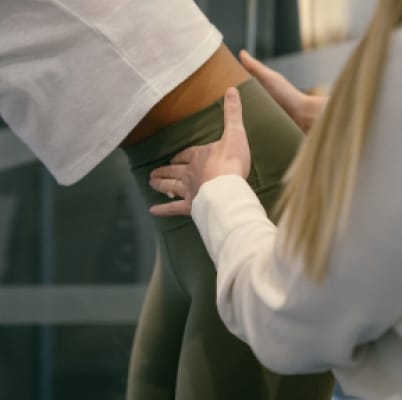
Pelvic floor problems affect a remarkably large proportion of the population. Yet many individuals with these conditions never seek professional help. Embarrassment, lack of awareness, and misconceptions about treatability all contribute to this silence. Learning to recognize the symptoms of pelvic floor dysfunction is the first critical step. Many of these symptoms are incorrectly accepted as normal aspects of aging or childbirth. This article describes key symptoms that warrant professional pelvic health assessment.
Urinary Symptoms That Signal Pelvic Floor Dysfunction
Urinary symptoms are the most commonly recognized indicators of pelvic floor problems. They affect millions of adults and significantly impact quality of life. Many people manage these symptoms with pads and lifestyle restrictions rather than seeking care. This is both unnecessary and unfortunate given how effectively physiotherapy treats these conditions. Recognizing specific urinary symptom patterns helps identify the type of dysfunction present. Each pattern corresponds to a different clinical presentation requiring a distinct treatment approach.
Stress urinary incontinence involves leaking urine with physical exertion or sudden pressure. Coughing, sneezing, laughing, jumping, and lifting commonly trigger leakage episodes. The pelvic floor lacks the contractile strength or speed to close the urethra adequately. This type of incontinence is not caused by bladder urgency but by insufficient closure pressure. Pelvic floor strengthening and coordination training are the primary and most effective treatments. Most women with stress incontinence achieve significant improvement through properly guided physiotherapy.
Urgency and Overactive Bladder Symptoms
Urge urinary incontinence is characterized by a sudden and overwhelming urge to urinate. The urge arrives intensely and leaves very little time to reach the toilet. Leakage may occur before reaching the bathroom in many affected individuals. This pattern indicates an overactive bladder or a poorly coordinated detrusor muscle. The pelvic floor may also be too tight and creating additional bladder irritation. Bladder training and urgency suppression strategies are the cornerstone of treatment for this pattern.
Urinary frequency, defined as urinating more than eight times per day, is another important symptom. Nocturia, waking more than once at night to urinate, is also clinically significant. Many people with these symptoms restrict their fluid intake to manage them. This approach is counterproductive and often worsens bladder irritability over time. Adequate hydration with appropriate fluid types is recommended instead. A pelvic physiotherapist provides specific fluid intake guidance based on your symptom pattern and lifestyle.
Bowel Symptoms Associated With Pelvic Floor Problems
Bowel dysfunction is commonly associated with pelvic floor dysfunction but is less discussed. Many patients do not connect their bowel symptoms to pelvic floor muscle problems. Chronic constipation is one of the most significant pelvic floor risk factors known. Repeated straining during defecation places enormous and sustained stress on the pelvic floor. This chronic straining stretches and weakens the pelvic support structures progressively over time. Addressing bowel function is a critical component of comprehensive pelvic health treatment.
Difficulty completely emptying the bowels during defecation is frequently reported. A sense of incomplete evacuation despite significant straining effort is a common complaint. This pattern often involves paradoxical pelvic floor contraction during the defecation attempt. Instead of relaxing to allow stool passage, the pelvic floor tightens at the wrong time. This is called dyssynergic defecation and responds very well to biofeedback treatment. Physiotherapy biofeedback effectively retrains this uncoordinated muscle behavior with excellent results.
Fecal Urgency and Incontinence
Fecal urgency is defined as the sudden and difficult to control urge to defecate. Fecal incontinence refers to any involuntary loss of bowel content or gas. These symptoms are particularly socially embarrassing and significantly restrict daily activities. Many people avoid social situations, travel, and exercise due to fear of accidents. This social restriction compounds the psychological impact of already distressing physical symptoms. Effective physiotherapy treatment returns continence and restores freedom in daily life.
The external anal sphincter and puborectalis muscle play key roles in bowel continence. Weakness or impaired coordination in these structures causes urgency and incontinence. Physiotherapy strengthening and coordination exercises target these specific muscles effectively. Biofeedback provides real-time data about sphincter contraction quality and timing. Most patients with fecal urgency or incontinence respond positively to dedicated physiotherapy. Accessing care promptly prevents social withdrawal and associated psychological decline.
Pelvic Pain as a Symptom of Dysfunction
Pelvic pain is a broad and often complex symptom category in pelvic health. It can be localized or diffuse, constant or intermittent, sharp or dull in quality. Pelvic pain may be associated with specific activities like exercise, intercourse, or defecation. It may also occur at rest without any obvious triggering activity. The pelvic floor muscles are a very commonly overlooked source of these pain patterns. Treating the muscular component of pelvic pain produces meaningful relief in most patients.
Dyspareunia, or pain during sexual intercourse, affects both women and men significantly. In women, this often involves a combination of pelvic floor overactivity and tissue sensitivity. Endometriosis, vulvodynia, and interstitial cystitis are underlying conditions that frequently contribute. In men, dyspareunia may relate to pelvic floor tension, prostatitis, or nerve sensitivity. A pelvic physiotherapist assesses all potential muscular and connective tissue contributors. Treatment is individualized, compassionate, and addresses the specific findings of the assessment.
Accessing pelvic floor physiotherapy calgary nw provides expert assessment for all types of pelvic pain. The assessment environment is private, supportive, and appropriately sensitive throughout. All assessment and treatment procedures are explained fully before they are undertaken. Patient consent is confirmed at every stage of the assessment and treatment process. The physiotherapist creates a safe space where all concerns can be discussed openly. Many patients report immediate relief from simply having their pain taken seriously and accurately explained.
Vaginismus and Pelvic Muscle Spasm
Vaginismus involves involuntary contraction of the vaginal muscles during attempted penetration. This contraction makes tampon insertion, gynecological examinations, and intercourse difficult or impossible. The condition causes significant distress and affects intimate relationships very profoundly. It often involves both a physical muscular component and a psychological fear response. Physiotherapy addresses both dimensions through progressive desensitization and relaxation training. Outcomes for vaginismus with dedicated physiotherapy are consistently very positive.
Vulvodynia is a condition involving chronic vulvar pain without an identifiable skin cause. It presents as burning, stinging, or rawness in the external genital area. Sitting for prolonged periods, wearing tight clothing, and touch all provoke symptoms. Pelvic physiotherapy addresses the connective tissue and muscular components of vulvodynia effectively. Desensitization, manual therapy, and activity modification are combined in treatment. Many women achieve significant and lasting pain reduction through specialized physiotherapy care.
Pelvic Heaviness, Pressure, and Prolapse Symptoms
Pelvic heaviness or pressure is a classic symptom of pelvic organ prolapse. Patients describe a sensation of something falling down or bulging at the vaginal opening. These symptoms are typically worse after prolonged standing, lifting, or physical activity. They often improve significantly when lying down and after a night of rest. The symptom pattern directly reflects the gravitational influence on descending pelvic organs. Pelvic physiotherapy strengthens support structures and provides meaningful symptom relief.
Many women are frightened when they first notice prolapse symptoms. They fear that surgery is the only available treatment option. In reality, physiotherapy is an effective first-line treatment for mild to moderate prolapse. Pelvic floor strengthening provides improved muscular support for the descending organs. Lifestyle modifications reduce the factors that worsen prolapse symptoms over time. Surgery is reserved for severe prolapse cases that do not adequately respond to conservative care.
Sexual Dysfunction as a Pelvic Floor Symptom
Reduced sexual sensation or difficulty achieving orgasm may indicate pelvic floor dysfunction. Weak pelvic floor muscles reduce the contractile response during orgasm significantly. Pelvic floor strengthening training improves sexual sensation and function for many patients. In men, pelvic floor weakness can contribute to erectile dysfunction and ejaculatory difficulties. Physiotherapy addressing these muscular factors improves sexual function and meaningful satisfaction. Open discussion of sexual concerns is a welcome and completely appropriate part of pelvic physiotherapy assessment.
Low libido is sometimes connected to pelvic pain and associated avoidance of sexual activity. Fear of pain during intimacy leads to reduced desire and sexual engagement over time. Resolving the underlying pain through physiotherapy often restores libido and sexual interest naturally. Couples benefit greatly when both partners understand the treatment process and timeline. Partner education is frequently incorporated into the treatment process as a helpful component. Addressing sexual function comprehensively reflects the genuinely holistic nature of pelvic physiotherapy.
Conclusion
Pelvic floor dysfunction presents through a wide and diverse range of symptoms. Urinary leakage, bowel problems, pelvic pain, and sexual difficulties all warrant assessment. None of these symptoms should be accepted as normal or inevitable consequences of life. Specialized pelvic physiotherapy offers effective and dignified solutions for every concern described. Recognizing your symptoms and seeking professional care is a genuinely empowering decision. Expert pelvic health physiotherapy can significantly transform your daily comfort and overall wellbeing.

