


How Can jinglitools Air Compressor Match Different Factory Working Requirements?
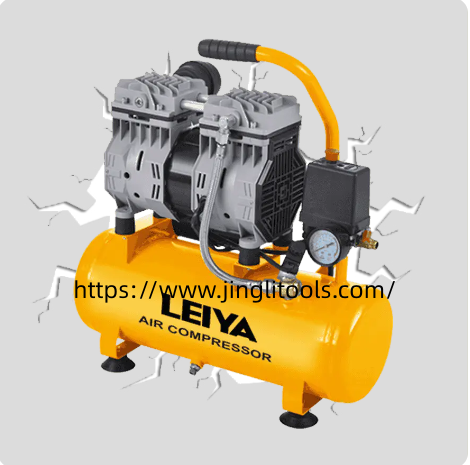
Air Compressor selection should begin with the actual requirements of the workplace rather than a single capacity figure or motor specification. Industrial users may need compressed gas for pneumatic equipment, assembly processes, cleaning tasks, machinery maintenance, production lines, or workshop operations. Each application can involve different pressure levels, consumption patterns, operating cycles, and installation conditions. Buyers should therefore examine the complete working environment before deciding which configuration suits their business.
Define the Application Clearly
The selection process should begin by identifying the equipment that will connect to the unit. Buyers should list pneumatic devices, production machinery, cleaning equipment, and other applications that require a compressed supply.
The number of connected devices is also important. A small workshop may operate only one device at a time, while a factory could have several machines running during the same shift.
Procurement teams should also consider whether demand is intermittent or continuous. This information gives the manufacturer a clearer picture of the expected workload and helps narrow down suitable configurations.
Check Pressure Requirements
Required pressure should correspond to the specifications of the connected equipment. Buyers should identify the working pressure needed at the point of use instead of looking only at the rated figure of the main unit.
Pressure losses may occur through hoses, pipes, filters, regulators, and other components. Installation design should therefore be considered together with equipment selection.
Before ordering, buyers can provide the manufacturer with details about connected machinery and expected operating conditions. This creates a more practical basis for discussing the appropriate configuration.
Evaluate Flow Demand
Flow capacity is another important factor. Buyers should estimate how much compressed gas their equipment consumes during normal operation.
If several devices operate simultaneously, their requirements should be reviewed together. It is also useful to distinguish between short periods of increased demand and regular continuous consumption.
A maintenance workshop may have occasional requirements, whereas an automated production line may need a steady supply throughout a shift. Understanding these patterns helps buyers compare configurations according to actual usage.
Consider Tank Capacity
The receiver tank can influence how the system responds to changing demand. Buyers should consider available floor space, operating patterns, expected demand fluctuations, and start-and-stop frequency.
Tank capacity should be viewed as part of the complete system rather than as a substitute for sufficient flow capacity. The selected arrangement should correspond to the intended workload.
Physical installation requirements also deserve attention. Buyers should check transportation routes, ventilation, maintenance access, floor conditions, and clearance around the unit before confirming the purchase.
Review Oil-Free Requirements
Some production environments require a cleaner compressed supply with limited oil contamination. Buyers should first determine whether their processes have specific purity requirements.
Applications involving sensitive manufacturing, certain cleaning procedures, or products that cannot tolerate oil contamination may require an oil-free configuration.
The complete treatment arrangement should also be discussed with the manufacturer. Depending on the application, filters and other components may form part of the overall system.
Examine Motor Characteristics
Motor specifications should match the expected operating cycle. Buyers can review rated input, voltage, frequency, cooling arrangements, protection functions, and recommended duty conditions.
Frequent operation may create greater thermal demands than occasional workshop use. Installation conditions should therefore provide appropriate ventilation and sufficient clearance.
Electrical compatibility must also be confirmed before shipment. Different markets can have different voltage and frequency requirements, so these details should be established before production begins.
Consider Noise and Installation
Noise can affect the working environment, particularly when equipment is positioned close to operators. Buyers should review available technical information and consider the intended installation location.
A workshop may place the unit near workstations, while a factory could have a separate utility area. Each arrangement creates different requirements for accessibility, ventilation, and routine inspection.
Companies should also consider how technicians will reach filters, drains, electrical components, and other service points. Convenient access can make maintenance procedures easier to organize.
Review Maintenance Needs
Maintenance planning should be included in the purchasing process. Buyers can ask about inspection intervals, filter replacement, drainage, consumable components, cleaning procedures, and recommended service schedules.
Replacement part availability is also worth discussing. For factories and distributors, predictable access to service components can make future maintenance planning easier.
Clear documentation can help operators follow appropriate procedures and give purchasing departments a better understanding of potential ownership requirements.
Assess the Manufacturer
Supplier communication can influence the purchasing experience. Buyers should request clear information about product specifications, accessories, packaging, inspection procedures, delivery arrangements, warranty conditions, and customization options.
For bulk orders, customized labels, packaging, electrical configurations, or accessories may need to be confirmed before production begins. Written specifications can help both parties maintain a consistent reference throughout the order process.
jinglitools can communicate with customers about product configurations and manufacturing requirements for different applications. Buyers can provide information about their workload, installation environment, and intended usage so that the product discussion remains focused on practical needs.
Plan for Future Requirements
Industrial requirements can change after an initial purchase. A factory may add new production equipment, increase operating hours, expand a workshop, or introduce additional pneumatic applications.
Buyers should consider whether future orders may require similar specifications. Consistent configurations can simplify operator training, maintenance procedures, inventory management, and replacement planning.
Distributors can also consider the range of applications served by their customers. Clear specifications make it easier to discuss different configurations according to individual working conditions.
A careful purchasing process should bring together pressure requirements, flow demand, receiver capacity, oil-free needs, motor characteristics, installation conditions, noise considerations, maintenance planning, and supplier communication. Evaluating these factors together allows buyers to compare equipment according to real workplace requirements rather than relying on a single specification. jinglitools provides equipment options for workshops, factories, maintenance teams, and production applications, with product information available for customers reviewing different configurations. Buyers can visit https://www.jinglitools.com/ to review the product range and communicate with the manufacturer about specifications, purchasing requirements, and potential customization.

