


How Can Qinlang Multi Stage Centrifugal Fan Manufacturer Support Custom Requirements
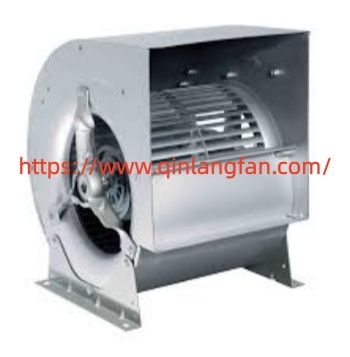
Multi Stage Centrifugal Fan Manufacturer selection deserves careful attention when an industrial project depends on controlled airflow and pressure. Buyers may begin with a price or a catalogue specification, but the real decision involves much more. The working environment, required air volume, pressure demand, motor configuration, installation space, electrical supply, and maintenance conditions all affect whether a particular solution fits the job. A supplier that can discuss these points clearly can make the purchasing process much easier.
Start with the application rather than the equipment name. Where will the unit operate? Is it part of a long duct system, a process installation, an exhaust arrangement, or an equipment cooling setup? Each situation creates a different airflow path. Filters, bends, dampers, narrow passages, and long ducts add resistance, so the required pressure should be considered together with the expected air volume. Qinlang also discusses the relationship between airflow, pressure, system resistance, energy use, and installation conditions in its technical content.
Pressure deserves particular attention when buyers are planning systems with considerable resistance. A unit may move a useful amount of air in an open environment but behave differently after being connected to a restrictive duct network. This is why performance curves and operating points are worth reviewing before an order is confirmed. Instead of looking at a single figure, buyers should consider how the equipment behaves under the conditions that will exist at the actual site.
The number of internal compression sections can also affect the way pressure is developed. A staged arrangement may be considered when an application requires pressure to build progressively. Still, this does not mean that adding stages is automatically suitable. The correct configuration depends on the relationship between required airflow and system resistance. Qinlang has published technical material specifically discussing construction, operation, design considerations, and selection factors for this type of equipment.
Motor selection is another practical checkpoint. Buyers should confirm voltage, frequency, input power, rotational speed, current, and control requirements before production. These details become particularly important for overseas projects because electrical standards can differ between markets. A clear specification sheet helps purchasing teams, engineers, and installers work from the same information.
Physical dimensions should not be overlooked. Industrial equipment needs enough room for installation, connection, inspection, and future maintenance. Before confirming a model, measure the available area and check the position of air inlets and outlets. Think about how the unit will enter the building as well. A product that fits the final installation point may still create difficulties if there is not enough access during delivery or positioning.
Material selection should follow the environment. Humidity, dust, temperature changes, corrosive substances, and airborne particles can influence which construction is appropriate. Buyers should explain these conditions during the quotation stage instead of leaving them out of the discussion. The supplier can then consider whether the proposed housing, rotating components, bearings, and electrical parts are suitable for the intended location.
Noise and vibration are worth discussing too. Rotating equipment creates mechanical movement, and installation structure can influence the sound experienced around the unit. Balance, mounting, speed, housing structure, and surrounding surfaces can all play a role. If the equipment will operate near workers, offices, laboratories, or other noise sensitive areas, this requirement should be communicated early.
Customization is another useful point for commercial buyers. Some projects require different dimensions, motor specifications, connection arrangements, or mounting structures. A supplier with design and production capabilities can discuss whether these changes are practical before production begins. Qinlang states that its business covers the design, development, production, and marketing of various air movement and cooling products for industrial manufacturing and construction applications.
Quality control should be part of the purchasing conversation as well. Buyers can ask how incoming components are checked, how finished units are inspected, and what information is recorded before shipment. For repeat orders, consistent specifications are especially useful. Keeping approved drawings, electrical data, dimensions, and performance requirements on record can make future purchasing much smoother.
Delivery planning deserves attention before the purchase is finalized. Quantity, packaging, production schedule, shipping arrangements, documentation, and spare components should be discussed according to the project. If the equipment is part of a larger installation, delivery timing can affect other work on site. Clear communication at this point helps everyone plan around realistic requirements.
Maintenance should also enter the discussion before installation. Access to bearings, electrical connections, rotating components, and other service areas can affect future maintenance work. The installation position should leave enough working space for inspection and cleaning. A little planning here can make routine service much less troublesome.
Buyers should also look at the supplier relationship itself. Does the technical team ask about the actual application? Are specifications explained clearly? Can the supplier discuss changes without creating confusion? Can the same configuration be reproduced for future orders? These questions often reveal more about a purchasing relationship than a simple product catalogue.
For an industrial project, the selection process can remain straightforward. Define the required air volume. Calculate system resistance. Confirm pressure needs. Check electrical conditions. Review dimensions, materials, noise, maintenance access, customization, inspection, and delivery. Then compare the supplier responses against the actual project rather than comparing prices alone. Qinlang offers a range of air movement products for industrial and commercial applications, giving buyers different configurations to consider according to their requirements.
The right purchasing decision begins with a clear picture of the job. Once the operating environment and technical requirements are defined, communication becomes much more precise. Buyers can review available Qinlang product categories and configurations at https://www.qinlangfan.com/product/

