


Understanding Medical Guidance Before Using Mounjaro
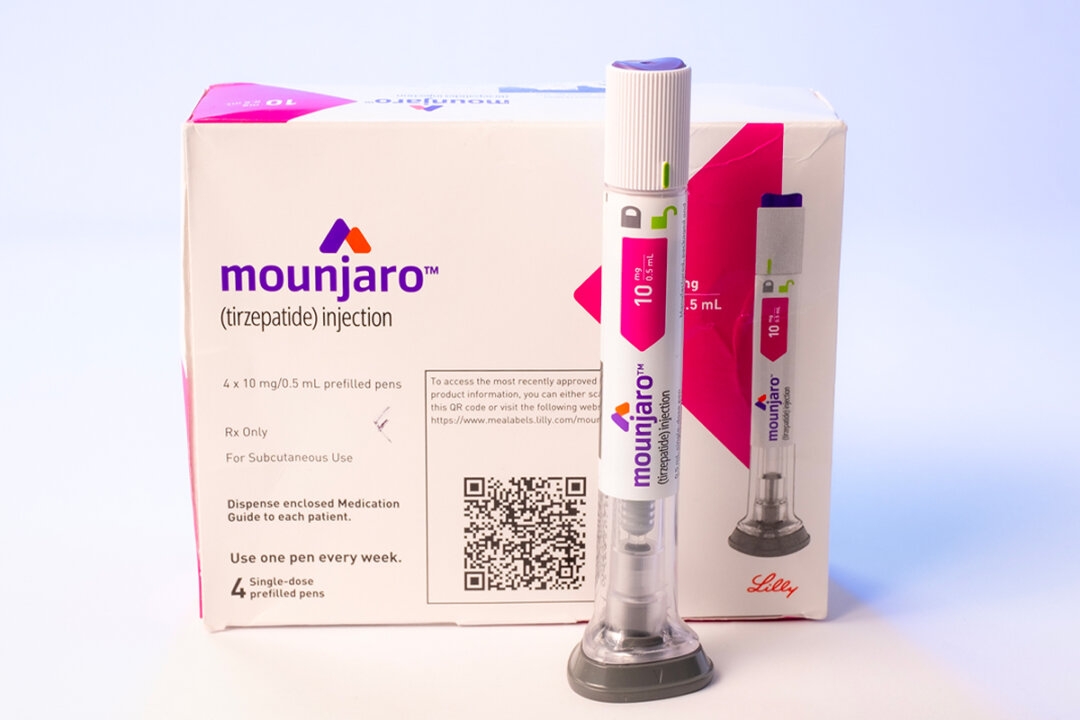
Seeing dramatic weight-loss stories online can make prescription treatments seem like an easy solution. But before starting any medication for weight management, it is important to understand whether it is suitable for your health, goals, and circumstances. For people researching Mounjaro in Islamabad, professional medical guidance should be the starting point—not an afterthought.
Mounjaro contains tirzepatide, a prescription medicine that works on GIP and GLP-1 receptors. It can influence blood glucose regulation and appetite, which is why its use should be considered carefully with an appropriately qualified healthcare professional.
Why Medical Guidance Matters
Prescription medication is not a one-size-fits-all solution. Two people with similar weights may have completely different medical histories, medications, eating patterns, and risk factors.
A medical consultation helps put your treatment into the right context. Instead of simply asking whether Mounjaro can help with weight management, your healthcare provider can determine whether it is an appropriate option for your particular circumstances.
This approach also gives you an opportunity to discuss expectations before treatment begins.
What Is Mounjaro?
Mounjaro is the brand name for tirzepatide. It acts on two hormone pathways, GIP and GLP-1, that are involved in processes such as glucose regulation and appetite.
In the United States, Mounjaro is approved for improving blood sugar control in adults with type 2 diabetes, while tirzepatide is also marketed under the name Zepbound for certain chronic weight-management indications. The appropriate use of tirzepatide depends on the specific medical indication and local prescribing practice.
This is one reason professional assessment is important rather than relying on information from social media or informal sources.
Reviewing Your Medical History
Before prescribing treatment, a healthcare professional should understand your relevant medical background. This may include previous illnesses, ongoing health conditions, allergies, previous weight-management efforts, and other treatments.
Be open about anything that could be relevant, even if you think it is unrelated to weight. Your medical history can influence whether a particular treatment is appropriate and how it should be monitored.
If you have medical records, previous test results, or a list of your current medications, taking them to your consultation can make the discussion more useful.
Discussing Your Current Medications
Your doctor should know about prescription medicines, over-the-counter products, vitamins, and supplements you are currently taking. Some combinations may require additional consideration or monitoring.
Do not leave out a medication simply because you have been taking it for a long time. A complete medication list helps your healthcare provider make a more informed treatment decision.
If you are unsure about the names or doses of your medicines, bring the packaging or photographs of the labels to your appointment.
Assessing Your Weight and Overall Health
A medical evaluation may include measurements such as weight, height, and BMI. Depending on your circumstances, your healthcare professional may also consider other relevant health measurements or laboratory investigations.
The goal is to understand your overall health, not just your body weight. Your starting point can help your doctor determine what treatment approach may be reasonable and how progress should later be assessed.
Weight-management decisions should also consider factors such as lifestyle, health risks, and previous attempts to manage weight.
Mounjaro in Islamabad: What Should You Discuss With a Doctor?
If you are considering Mounjaro in Islamabad, arriving at your consultation prepared can help you get more useful answers. A professional discussion may cover several important areas:
- Your health history: Previous and current medical conditions that may affect treatment.
- Current medications: Prescription medicines, supplements, and other products you use.
- Weight-management goals: What you hope to achieve and why.
- Eating habits: Appetite, cravings, portions, meal patterns, and common foods.
- Lifestyle: Physical activity, sleep, work routine, and other daily factors.
- Potential side effects: What you may experience and when to seek medical advice.
- Follow-up: How your response and treatment tolerance may be reviewed.
A detailed conversation helps turn a general treatment idea into an individualized medical plan.
Understanding Your Treatment Goals
Not everyone approaches weight management for the same reason. Some people may want to address weight-related health concerns, while others may be focused on improving eating habits, physical activity, or overall wellbeing.
Your healthcare provider can help you establish realistic expectations. A treatment goal should be based on your individual circumstances rather than another person's result.
Social media comparisons can create unrealistic ideas about how quickly someone should lose weight. Your treatment response may be different, and that is normal.
Discussing Appetite and Eating Habits
Tirzepatide can affect appetite, and some patients may experience reduced hunger or feel full sooner. This makes it useful to discuss your normal eating pattern before starting treatment.
For Pakistani patients, this may include talking about roti, rice, paratha, daal, curries, sweets, fried foods, sugary drinks, and family meals. Understanding your real diet is more useful than following a generic food plan copied from the internet.
Your healthcare provider may recommend practical nutritional changes that fit your lifestyle and treatment needs.
Understanding Possible Side Effects
Medical guidance should include an honest conversation about possible side effects. Tirzepatide may cause gastrointestinal symptoms such as nausea, vomiting, diarrhoea, constipation, and decreased appetite.
Knowing what to expect can help you respond appropriately if symptoms occur. Your healthcare professional can explain which symptoms should be monitored and when you should seek medical attention.
Never assume that severe or persistent symptoms are simply something you must tolerate.
Why Dosage Should Be Individualized
Prescription medication should be used according to the healthcare professional's instructions. The appropriate dose and any changes to treatment should be determined based on the specific clinical situation and treatment response.
Never copy another person's Mounjaro dose simply because they achieved a particular result. People can respond differently, and what is appropriate for one patient may not be appropriate for another.
Similarly, patients should not independently increase, decrease, stop, or restart treatment.
Considering Lifestyle Alongside Treatment
Medication does not replace healthy lifestyle habits. Nutrition, physical activity, sleep, hydration, and everyday routines can all play a role in a broader weight-management strategy.
For someone working long hours in an Islamabad office, for example, finding realistic ways to add movement and plan balanced meals may be more sustainable than following an extreme diet. The best plan is one that can realistically fit into your everyday life.
Small improvements can become meaningful when maintained consistently.
When Additional Tests May Be Appropriate
Not every patient needs the same laboratory tests or assessments. Depending on your health history, symptoms, medications, and risk factors, your healthcare professional may recommend additional investigations.
Testing should be based on clinical need rather than a standard shopping list of tests. If your doctor recommends testing, ask what the test is intended to evaluate and how the results could influence treatment decisions.
This can make the process clearer and prevent unnecessary confusion.
The Importance of Follow-Up
Medical guidance should continue after treatment starts. Follow-up appointments can help your healthcare professional evaluate your response, discuss side effects, review eating habits, and determine whether the treatment remains appropriate.
Ongoing monitoring is an important part of responsible prescription treatment. It also gives you a chance to raise questions or concerns as your experience changes.
Keep track of meaningful changes and share them honestly during your appointments.
Avoiding Self-Medication
Online marketplaces and social media can make prescription medicines appear easy to obtain. However, purchasing medication from unreliable sources can create concerns about authenticity, storage, and appropriate use.
A prescription should be based on your own medical assessment—not someone else's recommendation. Professional guidance can help reduce the risks associated with inappropriate use and provide a structured treatment pathway.
If you see an unusually attractive offer online, investigate the source carefully rather than making a decision based solely on price.
Final Thoughts
Understanding medical guidance before using Mounjaro is an important part of making an informed decision. A proper evaluation can consider your health history, medications, weight-management goals, lifestyle, potential risks, treatment expectations, and follow-up needs.
For patients exploring Mounjaro in Islamabad, Dynamic Aesthetic Clinic offers medical expertise, board-certified surgeons, and advanced techniques relevant to modern aesthetic and weight-management care, with a focus on personalized patient support.

