


How Hydroseeding North Texas Helps Property Owners Combat Seasonal Drought and Soil Erosion
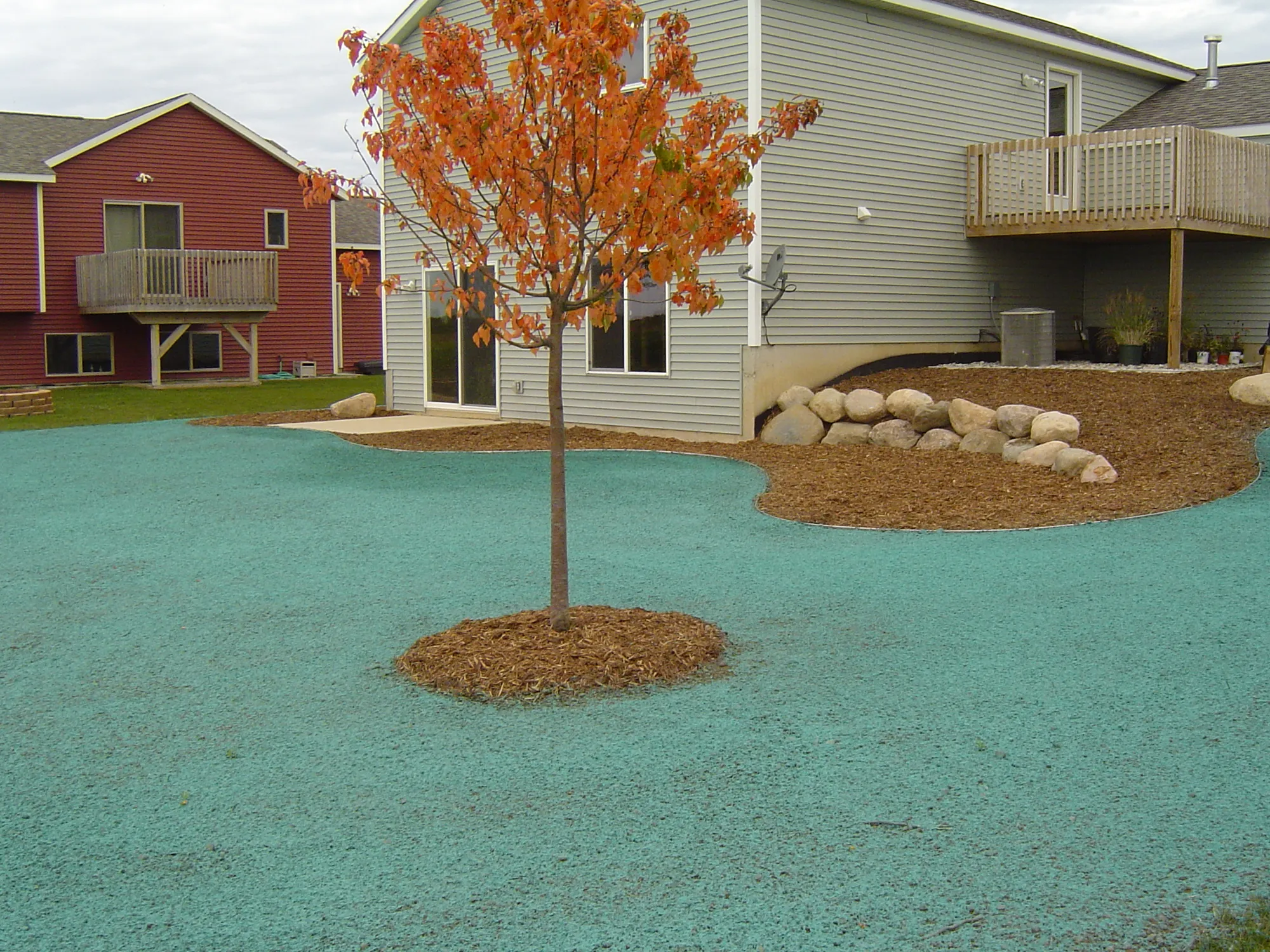
North Texas properties can face two major landscaping challenges at different times of the year: prolonged dry conditions and damaging soil erosion. High summer temperatures can quickly reduce available soil moisture, while intense storms can wash exposed soil from lawns, slopes, construction sites, and landscaped areas. Establishing healthy vegetation is one practical way to protect vulnerable ground while improving the appearance of a property. Hydroseeding North Texas provides a convenient method for distributing seed, mulch, fertilizer, and water across prepared soil to encourage more uniform vegetation establishment.
For homeowners, builders, developers, and property managers, hydroseeding can be particularly useful when large or difficult areas need vegetation coverage. Unlike simply scattering seed over bare ground, the hydroseeding process combines materials into a slurry that can be applied evenly across the prepared surface. Texas A&M AgriLife Extension emphasizes that successful turf establishment depends on appropriate site preparation, suitable grass selection, proper planting, and aftercare. These factors are especially important in North Texas, where weather conditions can change quickly and exposed soil can deteriorate before vegetation becomes established.
Why North Texas Properties Are Vulnerable to Drought and Erosion
North Texas experiences periods of intense heat and dry weather that can place significant stress on newly planted and established landscapes. When soil moisture declines, vegetation may struggle to maintain healthy growth, leaving thin or bare areas more exposed to wind and rainfall. Drought can also make irrigation decisions more difficult because property owners need to provide enough water for plant establishment without wasting a limited resource. Texas A&M AgriLife identifies water as a limited resource in Texas and provides irrigation resources designed to help homeowners manage landscapes while conserving water.
Erosion becomes a concern when soil is left uncovered, particularly on slopes, drainage paths, recently graded construction sites, and areas with little established vegetation. During heavy rainfall, water can move across the surface and carry loose soil toward lower areas, sidewalks, driveways, drainage systems, or neighboring properties. Wind can also remove exposed topsoil during dry conditions. Establishing vegetation provides living root systems that help hold soil in place while the above-ground growth provides additional surface coverage.
The challenge is that drought and erosion can reinforce one another. Dry conditions can weaken vegetation and leave bare soil exposed, while erosion can remove the soil and organic material needed for new plants to establish. Once topsoil is displaced, correcting the affected area may require additional grading, soil amendments, reseeding, or other restoration work. Establishing vegetation early can therefore be an important part of a broader property-management strategy rather than simply an aesthetic improvement.
How Hydroseeding Supports Soil Protection
Hydroseeding applies seed and mulch together, creating a more consistent layer across prepared soil than many conventional broadcast-seeding approaches. The mulch component can help cover the seedbed while reducing direct exposure of seed to environmental conditions. As vegetation develops, the growing roots help anchor soil particles and improve ground coverage. The effectiveness of the process still depends on proper preparation, seed selection, moisture management, and appropriate timing.
Texas A&M AgriLife Extension explains that turfgrass establishment begins with preparing the site and soil, understanding the planting method, selecting grass adapted to the location, and providing appropriate care after planting. These principles apply directly to hydroseeding projects. Simply spraying a slurry over poorly prepared or severely compacted soil cannot compensate for underlying site problems. Professional preparation gives seed a more favorable environment in which to germinate and develop roots.
Vegetative coverage can become especially valuable on slopes and other erosion-prone areas. As roots develop, they create a network beneath the surface that helps stabilize the soil. Above-ground growth also reduces the amount of bare soil directly exposed to rainfall and wind. For property owners dealing with disturbed ground, establishing vegetation can therefore serve both landscaping and soil-conservation purposes.
Hydroseeding and Seasonal Drought Management
One of the advantages of planning a Hydroseeding North Texas project carefully is the opportunity to select grass varieties that are appropriate for local conditions. Texas A&M AgriLife notes that grass selection should account for the part of Texas where the turf will be planted, along with factors such as soil type, soil depth, shade, and intended use. Choosing suitable vegetation can improve the chances of successful establishment and help the landscape perform better under local environmental conditions.
Timing also matters when drought conditions are a concern. Warm-season grasses generally establish during warmer conditions, while different species have different temperature and moisture requirements. Texas A&M's turfgrass guidance notes that warm-season grass seed germinates best when temperatures are approximately 70°F to 95°F, although the ideal timing still depends on the specific grass and site. Scheduling installation around appropriate growing conditions can reduce unnecessary stress during the earliest stage of establishment.
Once seed begins germinating, irrigation should be managed carefully. Newly seeded turf needs adequate moisture, but excessive watering can produce runoff, especially on compacted or sloped ground. Texas A&M AgriLife provides irrigation resources and its Water My Yard program to help Texans develop more customized watering schedules. Property owners should also adjust watering according to rainfall, temperature, soil conditions, grass type, and local water-use requirements rather than relying on a fixed schedule throughout the year.
How Hydroseeding Helps During Heavy Rainfall
Drought is only one side of the North Texas weather challenge. Sudden heavy rainfall can create substantial runoff when soil is exposed and vegetation is absent. Water moving across bare ground can loosen surface particles and transport sediment downhill. This can create ruts, muddy areas, drainage problems, and loss of valuable topsoil. Establishing vegetation can help reduce the amount of exposed soil available to be displaced.
Hydroseeding can be useful for areas that have recently been graded or disturbed, provided the site is properly prepared and the selected vegetation is appropriate. The mulch applied with the seed can provide initial surface coverage while germination takes place. Once plants become established, their roots contribute to soil stabilization. However, hydroseeding should not be presented as a standalone solution for every erosion problem; severe drainage, steep slopes, concentrated water flow, or structural erosion may require additional engineering or erosion-control measures.
Property owners should also consider where stormwater naturally travels across the property. Low areas, swales, slopes, drainage channels, and areas near downspouts can experience greater water movement than flat lawn sections. A contractor should evaluate these conditions before application and determine whether grading, drainage improvements, erosion-control blankets, check structures, or other measures are needed. Proper planning helps ensure that vegetation is established where it can provide meaningful long-term benefits.
Benefits for Residential Properties
Homeowners often consider hydroseeding when they need to establish a new lawn, repair large bare areas, improve a recently constructed property, or stabilize sections affected by grading. It can be particularly practical when covering a large area manually would require considerable labor. Searching for residential hydroseeding near me can help homeowners identify contractors familiar with local soil, grass varieties, weather patterns, and installation requirements.
Another potential benefit is more consistent coverage across larger residential areas. Hydroseeding equipment can distribute the slurry across lawns and challenging spaces, including certain slopes where conventional hand-seeding can be difficult. Uniform application does not guarantee perfectly uniform growth, because sunlight, soil quality, irrigation, drainage, and other factors still affect germination. Nevertheless, proper application can provide a strong starting point for establishing vegetation.
Homeowners should remember that installation is only the beginning. Newly hydroseeded areas require appropriate watering and protection from unnecessary traffic while plants establish. Mowing should begin at an appropriate stage based on the selected grass rather than according to an arbitrary calendar date. Following the contractor's care instructions can help protect the initial investment and give the developing turf a better opportunity to become dense and resilient.
Applications for Construction and Commercial Properties
Large commercial and construction properties often have extensive areas of disturbed soil that need vegetation after grading or site work. Bare ground can create erosion concerns and contribute sediment to drainage systems during rainfall. Commercial hydroseeding can help contractors establish vegetation across large areas more efficiently than manually distributing seed across every section. The appropriate approach depends on project specifications, site conditions, environmental requirements, and the type of vegetation being established.
Construction scheduling is an important consideration. Hydroseeding should ideally take place after relevant grading and soil preparation have been completed and before newly treated areas are exposed to unnecessary equipment traffic. If heavy machinery continues crossing seeded sections, it can disturb the mulch layer, compact the soil, or damage developing vegetation. Coordinating hydroseeding with other phases of construction can therefore improve both establishment and project efficiency.
Commercial property managers can also benefit from establishing a clear maintenance plan before installation. Someone should be responsible for monitoring irrigation, rainfall, germination, erosion, and areas showing poor growth. Large properties may contain different soil, shade, drainage, and slope conditions, so some sections may require different management. Texas A&M AgriLife emphasizes that turf selection and management should be matched to site conditions and intended use.
Choosing Grass for Drought-Prone North Texas Properties
Grass selection is one of the most important decisions in any hydroseeding project. There is no single grass variety that is ideal for every North Texas property because conditions can vary substantially. Soil type, available sunlight, irrigation, intended traffic level, drainage, and desired maintenance requirements should all be considered. Texas A&M AgriLife provides turfgrass resources focused on selecting and planting grasses appropriate for regional conditions and intended purposes.
Warm-season grasses can be particularly relevant to North Texas landscapes because they actively grow during the warmer part of the year. Bermudagrass, for example, is among the turfgrasses that can be established from seed in Texas, according to Texas A&M AgriLife's turfgrass establishment guidance. However, selecting a grass should never be based on one characteristic alone. A contractor should consider the entire site before recommending a seed mixture.
Drought resilience also depends on how the property is managed. Even a suitable grass can struggle if it is planted in compacted soil, watered improperly, mowed incorrectly, or placed in an unsuitable amount of shade. Healthy soil and an appropriate root environment can help vegetation use available moisture more effectively. Texas A&M AgriLife maintains dedicated resources on Texas soil health and management, including access to soil testing through its Soil, Water, and Forage Testing Laboratory.
Preparing a Property Before Hydroseeding
Proper preparation can determine whether a hydroseeding project develops into a healthy lawn or struggles with uneven growth. Before application, unwanted vegetation, debris, and construction materials should be removed. Compacted areas may need to be loosened, and grading should provide appropriate drainage. Soil quality should also be considered because roots need a suitable environment for development.
Drainage deserves particular attention on erosion-prone properties. If water consistently flows through one area with significant force, simply applying seed and mulch may not solve the underlying problem. Downspouts, slopes, drainage channels, and low spots should be assessed before installation. In some cases, drainage modifications or additional erosion-control techniques may be necessary to protect both the soil and the newly established vegetation.
Irrigation should also be inspected before hydroseeding begins. Sprinkler heads need to provide adequate coverage without creating concentrated runoff. Broken components or poorly adjusted zones can leave some areas too dry while others receive excessive water. Texas A&M AgriLife provides irrigation education, system-scheduling resources, and tools intended to help Texas homeowners make better irrigation decisions.
What to Look for in a Hydroseeding Contractor
When searching for residential hydroseeding near me, homeowners should evaluate more than price. Ask potential contractors about their experience with North Texas properties, soil preparation process, recommended grass varieties, application methods, and post-installation care. A knowledgeable contractor should be able to explain why a particular seed mixture or installation schedule fits the property. They should also identify potential problems before beginning rather than promising that hydroseeding alone will solve every landscaping challenge.
Experience with erosion-prone properties can be particularly valuable. Ask whether the contractor evaluates slopes, drainage patterns, soil compaction, and areas exposed to concentrated runoff. The contractor should distinguish between ordinary turf establishment and situations that may require additional erosion-control measures. Clear recommendations demonstrate a more professional approach than simply applying seed without addressing site conditions.
Homeowners should also request a detailed estimate describing preparation, materials, application, and expected maintenance responsibilities. Understanding what is included can prevent confusion after installation. A reliable contractor should explain that weather, irrigation, soil conditions, and grass selection all influence the establishment process. This type of transparent communication is an important part of making an informed decision.
Building a More Resilient North Texas Landscape
Hydroseeding is not a guarantee against drought or erosion, but it can be an effective component of a broader landscape-management strategy. Establishing suitable vegetation helps reduce exposed soil while developing roots that contribute to soil stability. Properly selected grass can also create a more functional landscape that is better suited to the property's environmental conditions. The strongest results come from combining appropriate planting methods with good soil preparation, irrigation management, and ongoing maintenance.
For homeowners considering Hydroseeding North Texas, the process should begin with an evaluation of the property rather than immediately selecting an installation date. Look at soil condition, sunlight, drainage, slope, irrigation coverage, intended use, and areas where water or wind causes problems. These observations can help determine what type of vegetation and preparation are appropriate. Texas A&M AgriLife's turfgrass guidance similarly emphasizes matching grass selection and establishment practices to local conditions and site characteristics.
Seasonal drought and heavy rainfall are recurring considerations for North Texas property owners, but proactive landscaping can reduce some of the associated risks. Establishing healthy vegetation gives bare soil greater protection, while appropriate irrigation and soil management help support the plants during dry periods. Whether the project involves a residential lawn, commercial development, newly graded property, or erosion-prone slope, a carefully planned hydroseeding project can provide a practical path toward better ground coverage. With the right preparation, grass selection, installation timing, and aftercare, property owners can create landscapes that are healthier, more stable, and better prepared for the changing conditions of the North Texas climate.

