


Glass Door Repair: 9 Problems That Can Affect Daily Use
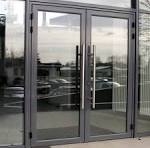
A glass door can add light and a modern appearance to a home, office, shop, or commercial property. But frequent use can gradually affect its hinges, handles, seals, frame, and glass.
Some problems are obvious, while others begin as small changes in how the door moves.
If you are considering glass door repair, recognizing these signs early can help prevent a minor hardware issue from becoming a larger repair.
1. The Door Starts Rubbing
A glass door should move freely without scraping against the frame or floor.
If it suddenly starts rubbing, the door may have shifted or its hinges may need adjustment.
Do not keep forcing it open and closed. Repeated friction can place additional stress on the glass and hardware.
An inspection can determine whether the problem is alignment, hinge wear, or another component.
2. The Door Does Not Close Completely
A door that remains partly open can indicate an issue with the hinges, closer, frame, or alignment.
This is more than a convenience problem when the door is an external entrance.
A door that cannot close correctly may also prevent the locking mechanism from engaging properly.
Check whether the problem occurs every time or only occasionally, then arrange appropriate maintenance if it continues.
3. The Handle Feels Loose
Glass door handles are used repeatedly throughout the day.
Over time, the fittings can loosen or internal components can wear.
A handle that moves excessively should be checked before it becomes difficult to operate.
Avoid applying excessive force while tightening fittings because glass requires suitable hardware and careful handling.
4. The Door Closer Behaves Differently
Many glass doors use closers to control their movement.
You may notice that the door suddenly:
-
Slams shut
-
Closes too slowly
-
Stops before fully closing
-
Requires extra force to open
These changes can indicate that the closer needs adjustment or repair.
Ignoring the issue can increase stress on the door and its supporting hardware.
5. You Notice a Crack
A crack in a glass door should not be ignored.
The cause could be an impact, existing stress, edge damage, or another issue.
Do not press on the damaged section or continue testing it unnecessarily.
The condition of the glass should be assessed to determine whether repair is possible or replacement is more appropriate.
6. Small Chips Appear Around the Edges
Glass edges and corners can be vulnerable to accidental impacts.
A small chip may appear insignificant, but its location can matter.
Check whether the damage is close to a hinge, fitting, frame, or other area where stress is concentrated.
If you discover edge damage, avoid trying to smooth, cut, or modify the glass yourself.
7. The Door Moves Unexpectedly
A glass door should remain properly supported while opening and closing.
If the panel shakes, shifts, or appears loose, stop repeatedly testing it.
The cause could involve hinges, brackets, fittings, or the frame.
For a large glass panel, attempting to reposition it without appropriate equipment can create additional risks.
Professional assessment is preferable when the door appears unstable.
8. The Seals Are Deteriorating
Seals around a glass door can become brittle or loose with age.
Look for visible gaps, cracked material, or sections that have separated from the frame.
Damaged seals can allow dust, moisture, or drafts through the door.
Replacing worn seals may help restore the fit without requiring replacement of the glass itself.
9. The Frame Shows Damage
The frame supports the door and affects how it operates.
Inspect it for bends, loose fittings, corrosion, or movement.
A damaged frame can cause alignment problems that eventually affect the glass and locking hardware.
If both the glass and frame show signs of damage, the complete installation should be assessed rather than repairing only the most visible component.
Glass Door Problems Are Not Always Glass Problems
It is easy to assume that a poorly functioning glass door needs new glass.
That is not always the case.
The actual cause may be:
-
Worn hinges
-
Loose fittings
-
A faulty closer
-
Frame movement
-
Door misalignment
-
Damaged seals
-
Locking hardware
Identifying the source first can prevent unnecessary replacement.
For installations that combine glass panels with aluminium framing or related components, aluminium glass work in Dubai may also be relevant when the problem extends beyond the door itself.
When Should Glass Be Replaced?
Repair is often suitable for certain hardware or minor installation problems.
Replacement may be necessary when the glass has significant cracking, serious edge damage, or another condition that affects its safe use.
The replacement panel should be suitable for the existing installation.
Its size, thickness, glass type, fittings, and intended application all need to be considered.
A panel that looks similar is not automatically a suitable replacement.
Avoid DIY Glass Repairs
Glass doors can be difficult to handle safely, particularly when the panel is large or damaged.
Avoid drilling, cutting, forcing, or removing damaged glass without the appropriate equipment.
Do not use temporary materials as a permanent solution for serious damage.
If the glass is cracked or unstable, limit use of the door until it can be properly assessed.
Regular Checks Can Prevent Bigger Problems
A quick inspection can identify changes before they become major issues.
Check the glass, frame, handles, hinges, seals, closer, and locking mechanism periodically.
Pay attention to new sounds or changes in how the door moves.
If a door begins rubbing, shaking, or closing differently, investigate the cause rather than continuing to use it as normal.
Final Thoughts
A glass door depends on more than the glass panel itself.
Hinges, handles, closers, frames, seals, and locking hardware all affect how the door performs.
With timely glass door repair, property owners can address developing problems before they lead to more extensive damage.
The best approach is to identify the actual cause first and then decide whether adjustment, repair, component replacement, or complete glass replacement is appropriate.

