


Precision Ultrasonic Cleaning Systems: Advanced Solutions for Industrial Cleaning
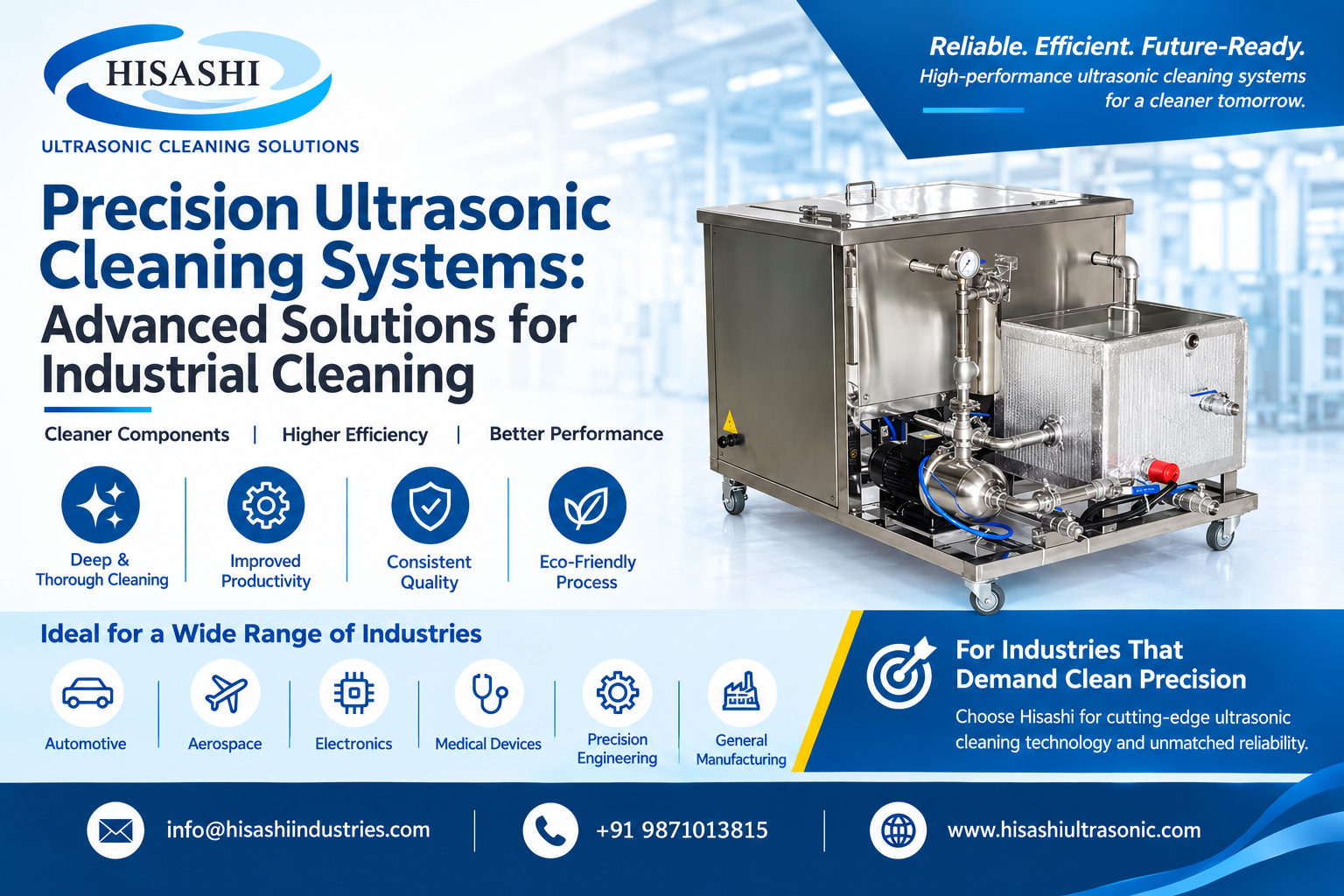
Industrial components rarely stay clean on their own. Over the course of manufacturing, assembly, or regular use, parts accumulate oil, grease, carbon deposits, dirt, and manufacturing residues that are often lodged in tight corners, threads, or internal channels — areas that manual cleaning methods simply can't reach effectively. This is exactly where precision ultrasonic cleaning systems come in, offering industries a more consistent and thorough way to clean complex, difficult-to-reach component surfaces. For automotive manufacturers, industrial production units, and maintenance teams alike, understanding how this technology works — and what to look for when choosing a system — can make a real difference in cleaning outcomes and workflow efficiency.
What Are Precision Ultrasonic Cleaning Systems?
At their core, ultrasonic cleaning systems use high-frequency sound waves passed through a cleaning solution to help dislodge and remove contaminants from the surface of a component. As these sound waves travel through the liquid, they generate a cleaning action that can reach into recesses, blind holes, threads, and intricate geometries that brushes, sprays, or manual wiping typically miss.
This makes the technology particularly relevant for:
-
Complex-shaped components with internal cavities or fine detailing
-
Small parts that are difficult to clean individually by hand
-
Automotive components such as fuel systems and engine parts
-
Industrial equipment used in production and assembly lines
-
Precision parts where surface cleanliness directly affects downstream processes
Because the cleaning action happens throughout the liquid — not just on exposed surfaces — ultrasonic systems are often better suited to components with irregular shapes than traditional cleaning methods.
How Does an Industrial Ultrasonic Cleaning System Work?
While specific configurations vary by application, most industrial ultrasonic cleaning systems follow a similar general process.
Step 1: Cleaning Solution
A suitable cleaning liquid is selected based on the type of contamination and the material of the component. The right solution plays a central role in how effectively contaminants are loosened from the surface.
Step 2: Ultrasonic Waves
Ultrasonic transducers generate high-frequency sound waves that pass through the cleaning solution, creating microscopic cleaning action throughout the liquid. This is what allows the process to reach into narrow gaps and complex geometries.
Step 3: Contaminant Removal
The cleaning action helps loosen and lift contaminants — such as oil, grease, or carbon deposits — from the component surface, including areas that are otherwise hard to access.
Step 4: Temperature Control
Depending on the application and the type of contamination being addressed, controlled heating of the cleaning solution may support the overall cleaning process. Temperature requirements vary based on the solution used and the components being cleaned.
Step 5: Rinsing and Drying
Many industrial cleaning processes include additional rinsing and drying stages after the ultrasonic cycle, depending on the specific requirements of the application and the finish required on the component.
The exact configuration — including tank stages, solution type, and drying method — is typically tailored to the component and industry involved.
Why Precision Cleaning Is Important for Industrial Components
Proper cleaning isn't just a cosmetic step — it often plays a role at several critical points in a component's lifecycle, including before:
-
Assembly
-
Inspection
-
Repair
-
Coating
-
Testing
-
Further manufacturing processes
When components carry residual contamination into these stages, it can affect how consistently downstream processes perform. A dependable precision parts cleaning process can offer several practical advantages:
-
Better overall component cleanliness before further processing
-
Reduced manual cleaning effort for operators and technicians
-
More consistent cleaning outcomes across production batches
-
The ability to clean complex or hard-to-reach surfaces effectively
-
Support for scheduled and unscheduled maintenance operations
-
A smoother overall production workflow
That said, the specific improvements experienced will depend on the application, the components involved, and how the system is configured and operated.
Applications of Precision Ultrasonic Cleaning Systems
Ultrasonic cleaning technology is used across a range of industries, each with its own cleaning challenges.
Automotive Industry
Automotive components frequently accumulate oil, grease, and carbon deposits during regular operation. Ultrasonic cleaning is commonly used for parts such as:
-
Engine parts
-
Carburetors
-
Fuel injectors
-
Cylinder heads
-
Gears
-
Transmission components
-
Brake components
-
Clutch parts
Manufacturing Industry
Industrial and production components often need thorough cleaning between processing stages, particularly where surface cleanliness affects fit, finish, or further treatment.
Engineering Components
Complex mechanical assemblies — especially those with fine tolerances or intricate geometries — can benefit from a cleaning process capable of reaching internal surfaces uniformly.
Electronics Industry
Select electronic components are cleaned using appropriately designed ultrasonic processes, where suitable based on the component's sensitivity and cleaning requirements.
Medical and Healthcare Equipment
Specialized ultrasonic cleaning applications may be used for certain medical instruments and equipment, depending on the required standards, materials, and validated processes involved. Not every ultrasonic cleaning system is suitable for medical use — this depends entirely on the specific product's design and specifications.
Precision Ultrasonic Cleaning Systems for Automotive Parts
Automotive components are among the most common applications for this technology, largely because they're routinely exposed to oil, grease, carbon build-up, and general dirt during use. An automotive ultrasonic cleaner is designed to address these specific contamination types across a range of parts, including:
-
Carburetors
-
Fuel injectors
-
Engine components
-
Transmission components
-
Brake parts
-
Mechanical assemblies
For workshops, service centers, and automotive manufacturers looking for a more consistent alternative to manual degreasing, an ultrasonic auto parts cleaner can help streamline the cleaning stage of servicing or production. Hisashi Industries offers ultrasonic auto parts cleaning solutions designed around these kinds of automotive cleaning requirements — worth exploring if manual cleaning bottlenecks are a recurring challenge in your workflow.
Key Features to Look for in an Industrial Ultrasonic Cleaner
Choosing the right ultrasonic cleaning machine comes down to matching the system's features to your specific application. Some of the key specifications to evaluate include:
-
Tank capacity — sized according to component dimensions and batch volume
-
Ultrasonic power — affects cleaning intensity for different contamination levels
-
Frequency — different frequencies suit different component types and materials
-
Temperature control — relevant depending on the cleaning solution and contamination type
-
Timer controls — for consistent, repeatable cleaning cycles
-
Digital controls — for easier operation and process monitoring
-
Tank material — including stainless steel construction for durability
-
Filtration systems — to help maintain cleaning solution quality over repeated use
-
Oil skimmers — useful where components carry heavy oil or grease contamination
-
Safety features — important for industrial operating environments
-
Automation requirements — for higher-volume or continuous production needs
-
Customization options — since requirements vary significantly across industries
The right combination of these features depends heavily on your component size, contamination type, and production volume — which is why discussing your specific requirements with a manufacturer is usually more useful than choosing based on general specifications alone.
Benefits of Using Precision Ultrasonic Cleaning Systems
When matched correctly to the application, ultrasonic cleaning systems can offer several practical benefits:
-
Effective cleaning of components with complex shapes and internal geometries
-
Access to difficult-to-reach areas that manual methods often miss
-
Reduced reliance on manual scrubbing or wiping
-
More consistent cleaning across repeated cycles
-
Suitability for a wide variety of component types and materials
-
Support for ongoing industrial maintenance operations
-
More efficient processing of parts that would otherwise require extensive manual handling
As with any industrial equipment, actual results depend on correct system selection, proper solution choice, and adherence to recommended operating procedures.
Why Stainless Steel Is Used in Ultrasonic Cleaning Equipment
Tank and equipment construction matters just as much as the cleaning technology itself. A stainless steel ultrasonic cleaner is a common choice in industrial settings for several practical reasons:
-
Durability under continuous industrial use
-
Suitability for industrial environments, including exposure to cleaning solutions and moisture
-
Resistance to corrosion, depending on the specific material grade and operating conditions
-
Ease of maintenance, since stainless steel surfaces are generally straightforward to clean and inspect
It's worth noting that not all stainless steel is the same — different grades offer different levels of corrosion resistance and durability, so it's worth confirming the specific material grade used in any system you're considering.
Choosing the Right Precision Ultrasonic Cleaning System
Selecting a suitable system is easier when approached step by step.
Step 1: Identify the Components
Start with the basics — size, shape, material, and complexity of the parts you need to clean. This affects everything from tank dimensions to fixture design.
Step 2: Understand the Contamination
Identify what you're actually cleaning off: oil, grease, carbon, dirt, or manufacturing residue. Different contaminants may call for different solution types and cleaning parameters.
Step 3: Determine Production Requirements
Think through your batch sizes, daily cleaning volume, and whether automation would meaningfully improve your workflow.
Step 4: Select Tank Capacity
Choose a tank size that comfortably accommodates your component dimensions and production throughput, without unnecessary oversizing.
Step 5: Choose Required Features
Decide which features — heating, filtration, oil skimming, digital controls, automation — are genuinely necessary for your application versus which are optional extras.
Step 6: Discuss Customization Requirements
Since industrial cleaning needs vary widely, it's usually worth discussing your specific technical requirements directly with the manufacturer rather than relying solely on standard configurations.
Why Choose Hisashi Industries?
Hisashi Industries offers a range of industrial ultrasonic cleaning systems designed for automotive and industrial applications, including automotive ultrasonic cleaners and related industrial cleaning equipment. The product range covers different configurations — from single-stage systems to multi-stage setups — allowing buyers to select a system suited to their specific component cleaning and production requirements.
The focus areas include:
-
Industrial ultrasonic cleaning solutions for a range of component types
-
Automotive component cleaning applications
-
Precision cleaning for complex and detailed parts
-
Multiple cleaning machine configurations to suit different production needs
-
Technical specifications tailored to component size and contamination type
-
Customized solutions where required by the application
If you're evaluating options for your facility or workshop, it's worth discussing your specific component types, contamination challenges, and production volume directly with the Hisashi Industries team to identify a suitable configuration.
Maintenance Tips for Industrial Ultrasonic Cleaning Equipment
Like any industrial equipment, ultrasonic cleaning systems perform best with regular upkeep. General good practice includes:
-
Regularly inspecting cleaning tanks for wear, leaks, or residue build-up
-
Using cleaning solutions suited to the specific contamination and component material
-
Following the manufacturer's operating instructions closely
-
Monitoring cleaning performance over time to catch any gradual decline early
-
Periodically inspecting ultrasonic transducers and related components
-
Maintaining filtration systems where applicable, to keep solution quality consistent
-
Scheduling regular maintenance checks rather than waiting for a visible issue
Always refer to your specific equipment's manufacturer documentation for detailed maintenance schedules and procedures, since requirements can vary between models and configurations.
Frequently Asked Questions
1. What are precision ultrasonic cleaning systems?
Precision ultrasonic cleaning systems use high-frequency sound waves in a cleaning solution to help remove contaminants like oil, grease, and carbon deposits from industrial and automotive components, including hard-to-reach surfaces.
2. How does ultrasonic cleaning work?
Ultrasonic transducers generate high-frequency sound waves that pass through a cleaning solution, creating a cleaning action that helps loosen and lift contaminants from a component's surface.
3. What industries use ultrasonic cleaning systems?
Ultrasonic cleaning is used across automotive, general manufacturing, engineering, electronics, and — in specific validated applications — medical and healthcare equipment cleaning.
4. Can ultrasonic cleaners clean automotive parts?
Yes, ultrasonic cleaners are commonly used for automotive components such as carburetors, fuel injectors, engine parts, transmission components, and brake parts.
5. What contaminants can ultrasonic cleaning help remove?
Ultrasonic cleaning can help remove oil, grease, carbon deposits, dirt, and various manufacturing residues, depending on the cleaning solution and system configuration used.
6. How do I choose an industrial ultrasonic cleaner?
Consider your component size and material, the type of contamination involved, your production volume, and required features such as tank capacity, heating, filtration, and automation.
7. What factors affect ultrasonic cleaning performance?
Performance can be influenced by ultrasonic frequency and power, cleaning solution type, temperature, cleaning time, and how well the system matches the specific component and contamination type.
8. Are ultrasonic cleaning machines available in different capacities?
Yes, ultrasonic cleaning machines are generally available in a range of tank sizes and configurations to suit different component sizes and production volumes.
9. What is the difference between an ultrasonic cleaner and manual cleaning?
Manual cleaning relies on physical scrubbing or wiping, which can struggle to reach complex geometries, while ultrasonic cleaning uses sound waves in a liquid to reach recesses and hard-to-access areas more consistently.
10. Can ultrasonic cleaning systems be customized for industrial applications?
Yes, many industrial ultrasonic cleaning systems can be customized in terms of tank size, stages, features, and automation level based on specific component and production requirements.
Get in Touch for a Customized Cleaning Solution
Looking for precision ultrasonic cleaning systems for your industrial or automotive applications? Contact Hisashi Industries to discuss your component size, cleaning requirements, production volume, and required system specifications. Whether you need a single-stage cleaner for a workshop or a multi-stage automated system for a production line, the team can help identify a configuration suited to your needs.
Reach out for product information, technical discussions, customization requirements, pricing enquiries, or a formal quotation.
Contact us Today
Address: Greater Noida – 203207
Phone: +91 9871013815
Email: info@hisashiindustries.com
Website: https://hisashiultrasonic.com/

