


How to Prevent Condensation and Moisture Inside a Shipping Container
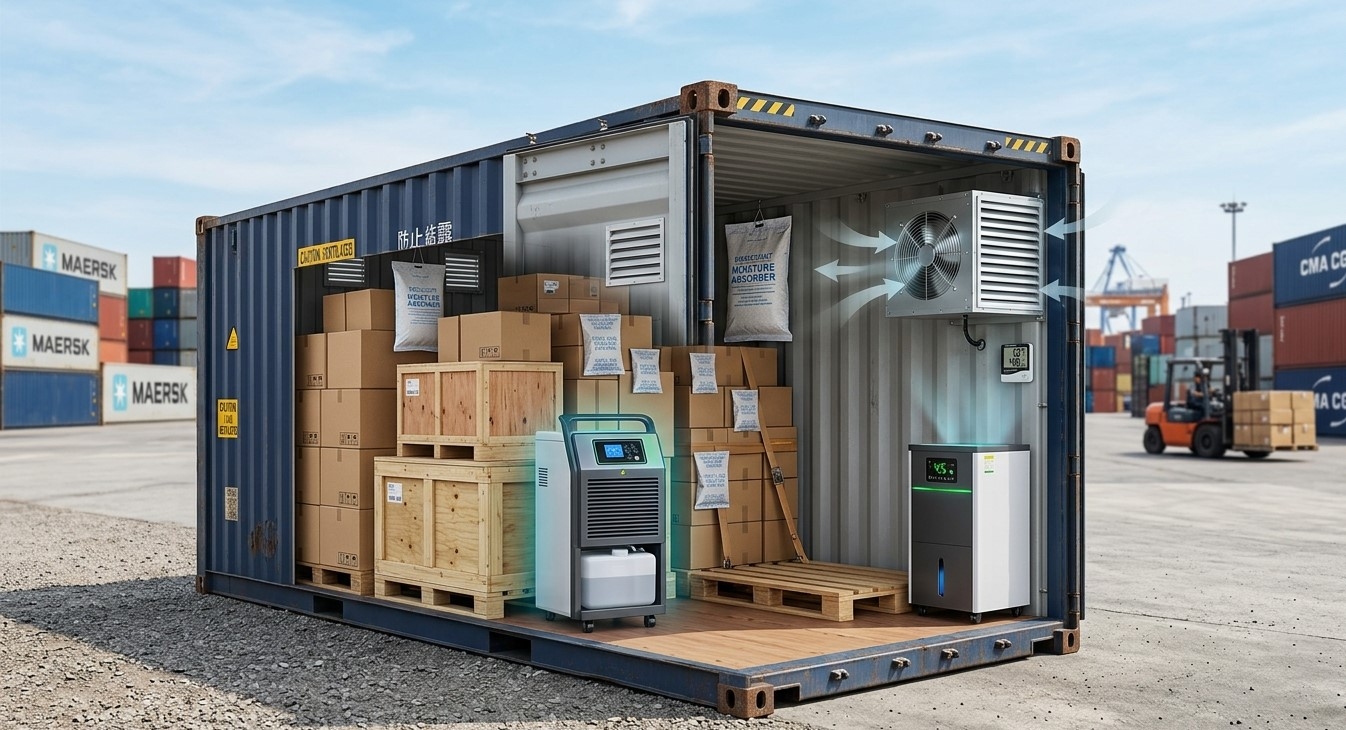
Shipping containers are designed to protect cargo from the outdoor environment, but moisture can still become a problem inside the container. Temperature changes can cause condensation to form on the walls, ceiling, and stored items, potentially leading to rust, mold, mildew, and damage to sensitive belongings.
Fortunately, there are several practical ways to control moisture and keep a container dry. Whether you are considering shipping containers for sale for personal storage, business inventory, equipment, or a workshop, understanding condensation prevention can help you protect what you store.
Table of Contents
- What Causes Condensation Inside a Shipping Container?
- Why Moisture Can Be a Problem
- How to Prevent Condensation and Moisture
- Improve Ventilation
- Use Proper Insulation
- Keep Items Off the Floor
- Avoid Introducing Moisture
- Use Moisture Absorbers
- Inspect Door Seals and Leaks
- Choose the Right Container Condition
- Prepare the Container Location
- FAQs
- Get the Right Shipping Container With Conex Hub
What Causes Condensation Inside a Shipping Container?
Condensation occurs when warm, moist air inside a container comes into contact with a cooler metal surface. Because shipping containers are primarily made from steel, their walls and ceiling can change temperature quickly.
For example, during a warm day, air inside the container may become hot and humid. When temperatures drop at night, the steel walls and roof can cool rapidly. If the air inside contains enough moisture, water droplets can form on those surfaces.
This process is sometimes called "container rain."
Common sources of moisture include:
- Humid outdoor air entering through open doors
- Wet items placed inside the container
- Temperature changes between day and night
- Moisture rising from damp ground
- Poor ventilation
- Water entering through damaged seals or openings
Understanding the source of moisture is the first step toward controlling it.
Why Moisture Can Be a Problem
A small amount of condensation may not seem serious, but repeated exposure to moisture can create problems over time.
Excess humidity can contribute to:
- Rust and corrosion on metal items
- Mold and mildew growth
- Damage to cardboard boxes
- Musty odors
- Deterioration of fabrics and furniture
- Damage to electronics
- Warping of wood products
- Corrosion of tools and machinery
For long-term storage, moisture prevention should therefore be part of your overall container maintenance plan.
How to Prevent Condensation and Moisture
The best approach is usually a combination of ventilation, proper site preparation, moisture control, and careful storage practices.
Here are some of the most effective solutions.
1. Improve Ventilation
Ventilation is one of the simplest ways to reduce humidity inside a container.
Shipping containers can be tightly sealed, which is useful for protecting stored items from rain and outside elements. However, limited air movement can allow humid air to remain trapped inside.
Depending on your storage needs, consider adding or using ventilation features that allow air to circulate.
Ventilation can help:
- Reduce trapped humidity
- Encourage air movement
- Minimize temperature differences
- Reduce the likelihood of condensation
For specialized applications, ventilation can also be incorporated into modified containers. Conex Hub offers custom-engineered container solutions where features such as ventilation can be part of the design.
2. Use Proper Insulation
If condensation is a recurring problem, insulation can help regulate the temperature of the container's interior surfaces.
Insulation creates a barrier between the exterior steel and interior air. This can reduce rapid temperature changes and make it less likely for warm, humid air to reach a cold metal surface.
Common insulation approaches include:
- Spray foam insulation
- Rigid foam boards
- Reflective insulation systems
- Insulated wall and ceiling assemblies
The appropriate method depends on whether you are using the container for basic storage, equipment, workspace, or another purpose.
For a container that will become an office or occupied workspace, insulation and climate control may be particularly important.
3. Keep Items Off the Floor
Do not place valuable belongings directly on the container floor when possible.
Using pallets, shelving, racks, or raised platforms can improve air circulation around stored items and create separation between your belongings and the floor.
This is particularly helpful when storing:
- Furniture
- Boxes
- Tools
- Machinery
- Construction materials
- Seasonal equipment
Keeping items elevated also makes it easier to inspect underneath them for signs of moisture.
4. Avoid Introducing Moisture
One of the easiest ways to increase humidity inside a container is to put wet items inside.
Before storage, allow items such as:
- Outdoor furniture
- Tools
- Equipment
- Lumber
- Clothing
- Boxes
- Gardening supplies
to dry completely.
Even a relatively small amount of trapped moisture can contribute to high humidity in an enclosed space.
If you are storing equipment after use, wipe away standing water and allow surfaces to dry before closing the container.
5. Use Moisture Absorbers
Moisture absorbers can be useful for controlling humidity in smaller storage areas.
Products designed to absorb moisture can be placed inside the container, particularly around sensitive stored items. They can provide an additional layer of protection but should not be viewed as a replacement for fixing significant leaks, poor drainage, or inadequate ventilation.
For larger containers or humid environments, you may need a combination of ventilation, insulation, and active dehumidification.
6. Inspect Door Seals and Possible Leaks
Condensation is not the only source of moisture.
Rainwater can enter if there are damaged door seals, holes, compromised roof areas, or other openings.
Inspect the container periodically for:
- Damaged door gaskets
- Rust holes
- Roof damage
- Cracks or openings
- Water stains
- Damp spots
- Corrosion
A properly maintained container should provide a strong barrier against outside weather.
When shopping for storage containers for sale, ask about the container's condition and whether it is wind and water tight. Conex Hub, for example, describes its wind-and-water-tight condition as sealed and secure for storage.
7. Choose the Right Container Condition
The condition of the container can make a difference in your moisture-management strategy.
For example, new one-trip containers arrive in near-new condition and are often selected when buyers want a clean container suitable for storage or modifications.
Used containers can also be a practical storage option when they are structurally sound and wind and watertight.
If moisture protection is a priority, inspect the container carefully before purchase or ask the supplier what condition grade is appropriate for your intended use.
Prepare the Container Location
The ground beneath your container can also affect moisture management.
Conex Hub recommends placing containers on firm, dry, level ground, with pavement, gravel, or hard-packed dirt among the suitable options. Soft soil, mud, or sand can cause settling and delivery complications.
A properly prepared site can help:
- Reduce standing water around the container
- Improve drainage
- Keep the container stable
- Make maintenance easier
- Reduce exposure to persistently damp ground
If possible, avoid placing the container in an area where rainwater naturally collects.
Should You Use a Dehumidifier?
A dehumidifier can be helpful when you need tighter humidity control.
This may be particularly useful for:
- Electronics
- Documents
- Furniture
- Sensitive equipment
- Inventory
- Workshops
- Converted container offices
However, a dehumidifier works best when the container is appropriately sealed and has access to electricity. For basic storage without power, passive ventilation and moisture absorbers may be more practical.
A Simple Moisture-Prevention Checklist
Before storing valuable items, consider this checklist:
| Moisture-control step | Why it helps |
|---|---|
| Check door seals | Helps prevent outside water intrusion |
| Inspect the roof and walls | Identifies potential leaks |
| Improve ventilation | Reduces trapped humidity |
| Use insulation where appropriate | Helps reduce temperature swings |
| Keep belongings elevated | Improves airflow and protects stored items |
| Dry items before storage | Prevents introducing moisture |
| Use moisture absorbers | Helps control residual humidity |
| Prepare firm, dry ground | Reduces exposure to damp conditions |
| Inspect regularly | Helps identify problems early |
What to Look for When Buying a Shipping Container
If you are searching online for shipping container for sale near me, don't focus only on size and price.
Ask the seller about:
- Container condition
- Wind and water tightness
- Previous use
- Door and gasket condition
- Rust or corrosion
- Available ventilation
- Delivery requirements
- Modification options
- Warranty or support
Conex Hub offers new, used, and custom-fabricated containers, with options for buying or renting depending on your requirements.
The right container is not necessarily the newest or cheapest one. It is the container that matches your storage environment, budget, location, and intended use.
FAQs
Can condensation damage items inside a shipping container?
Yes. Persistent condensation can contribute to rust, mold, mildew, corrosion, odors, and damage to moisture-sensitive materials.
Are shipping containers waterproof?
A properly maintained container can provide strong protection from rain and outside weather, but no container should be assumed to be completely immune to moisture problems. Door seals, roof condition, site drainage, and condensation all matter.
How do I reduce condensation in a shipping container?
Start with good ventilation, keep stored items dry and elevated, inspect seals for leaks, control humidity, and consider insulation if temperature fluctuations are significant.
Should I insulate my shipping container?
Insulation can be beneficial when you need better temperature and humidity control, particularly for offices, workshops, or storage containing temperature-sensitive items.
Can I use a dehumidifier inside a shipping container?
Yes. A dehumidifier can be useful when electricity is available and you need more precise humidity control.
What type of container is best for moisture-sensitive storage?
A container in good structural condition with reliable door seals and wind-and-water-tight protection is a strong starting point. The specific choice depends on what you plan to store.
Where can I find quality storage containers?
You can compare storage containers for sale based on size, condition, intended use, and delivery requirements. Conex Hub offers new and used options and can provide a quote based on your container and delivery requirements.
Get the Right Shipping Container With Conex Hub
Keeping a shipping container dry is not just about stopping leaks. Good moisture control combines the right container condition with ventilation, site preparation, proper storage practices, and humidity management.
Whether you need a compact unit for household storage, a larger container for business inventory, or a modified unit for a specialized project, choosing the right container from the beginning can make moisture management much easier.
Conex Hub provides new, used, and custom container solutions for storage, shipping, and specialized applications. The company has delivered more than 30,000 containers and operates five yards across California and Arizona.
If you're comparing shipping containers for sale, looking for a shipping container for sale near me, or evaluating storage containers for sale, contact Conex Hub to discuss your size, condition, delivery, and storage requirements. You can request a quote with your container type, condition, quantity, and delivery address.

