


How to Safely Use Muriatic Acid in Your Pool: A Beginner's Guide
Maintaining balanced pool water is essential for swimmer comfort, effective sanitation, and protecting pool equipment. Although muriatic acid can be an effective pool chemical, it is highly corrosive and must be handled with appropriate precautions. Muriatic acid pool treatments are commonly used when the water's pH is too high and needs to be lowered carefully. Beginners should understand the purpose of the chemical, test the water first, and follow the product label rather than guessing at quantities. Safe handling is just as important as achieving the correct water chemistry.
What Is Muriatic Acid Used for in a Pool?
Muriatic acid is a form of hydrochloric acid commonly used to lower high pH and, in appropriate circumstances, reduce total alkalinity in swimming pool water. When pool pH becomes too high, chlorine may become less effective and the water can contribute to scaling or other maintenance problems. Proper pH management helps maintain a better balance between sanitation, swimmer comfort, and protection of pool surfaces and equipment. Because acid is powerful, it should never be added simply because the water looks unusual. Always test the water before deciding whether an acid adjustment is actually needed.
Understanding the difference between pH and alkalinity is also important for beginners. pH measures how acidic or basic the water is, while total alkalinity helps resist rapid changes in pH. Adding acid can lower both measurements, although the exact effect depends on the starting chemistry and amount used. If the alkalinity is already low, adding muriatic acid without proper testing could push the water too acidic. Careful testing and gradual adjustments are therefore much safer than making large chemical additions.
Test Your Pool Water Before Adding Acid
Testing should always come before treating the water with muriatic acid. Check the pH and total alkalinity using a reliable pool testing method and compare the results with the recommended ranges for your specific pool system. If the pH is already within the appropriate range, adding acid could create an unnecessary imbalance. Water testing also helps determine whether the real problem is related to alkalinity, sanitizer levels, calcium hardness, or another factor. Accurate measurements give you a much better foundation for deciding what action is necessary.
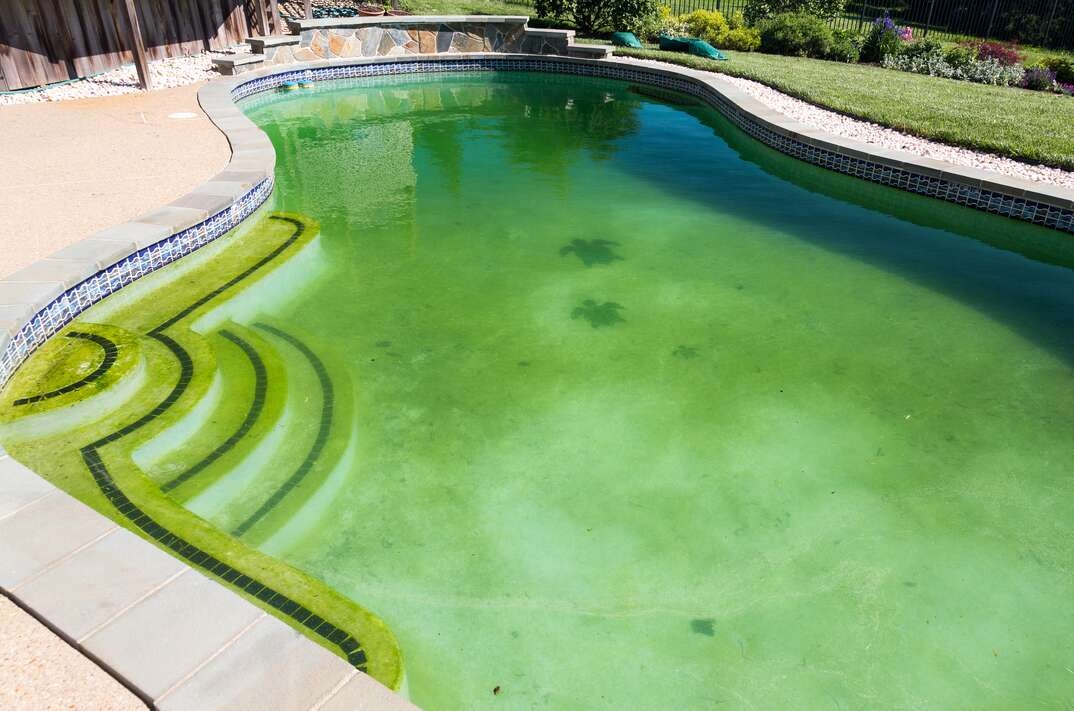
A common mistake among new pool owners is attempting to correct water chemistry based only on appearance. Clear water does not necessarily mean that the chemistry is balanced, and cloudy water does not automatically mean that acid is needed. Test results should guide chemical adjustments rather than visual assumptions. If your readings seem unusually high, unusually low, or inconsistent, consider having the water professionally tested before making a major correction. Taking a few extra minutes to verify the condition of the water can prevent expensive or potentially hazardous mistakes.
How to Safely Handle Muriatic Acid
Muriatic acid requires careful handling because it is corrosive and can cause serious injuries if it contacts skin or eyes or if its fumes are inhaled. Wear the protective equipment specified on the product label, such as appropriate chemical-resistant gloves and eye protection. Work in a well-ventilated outdoor area and avoid leaning directly over the container while opening or handling it. Keep children, pets, and other people away from the treatment area. Safety instructions and the product's safety data sheet should always take priority over generic advice.
Never mix muriatic acid with chlorine products or other pool chemicals. Dangerous chemical reactions and toxic gases can result when incompatible pool chemicals come into contact. Keep chemicals in their original, clearly labeled containers and store them separately from incompatible products. Avoid transferring acid into unmarked containers because this can create a serious identification hazard later. Safe storage and handling are essential parts of responsible pool maintenance, not optional precautions.
Adding Muriatic Acid to Pool Water
Once testing confirms that an acid adjustment is appropriate, determine the required amount using the product label, pool volume, and current water chemistry. Avoid relying on a generic amount because different products have different concentrations, and pool sizes vary considerably. If the manufacturer provides a dosage chart, use the information specific to your measured pH, alkalinity, and pool volume. When the correct amount is uncertain, it is safer to seek professional guidance rather than estimating. Chemical additions should always be deliberate and measured.
Follow the product instructions regarding how and where the acid should be introduced into the pool. Keep the circulation system operating when the product instructions call for circulation so the chemical can disperse through the water. Never pour concentrated acid onto equipment, pool fittings, surfaces, or other areas where it could cause localized damage. Avoid splashing and keep your face away from fumes during application. After treatment, allow the water to circulate and retest it before making another adjustment.
Muriatic Acid and Raising pH in Swimming Pool Water
Muriatic acid should not be used for raising pH in swimming pool water because its purpose is to lower pH. If testing shows that the pH is too low, a different adjustment strategy is required. The appropriate product depends on whether the goal is primarily to raise pH, increase total alkalinity, or correct both conditions. Using the wrong chemical can make the imbalance worse and create additional work. Always identify the specific water chemistry problem before selecting a treatment.
The relationship between pH and alkalinity is particularly important when correcting repeated fluctuations. If alkalinity is too low, pH may change more easily and require frequent adjustment. If alkalinity is too high, pH can become difficult to lower and may contribute to scaling or cloudy water. Rather than repeatedly adding acid every time pH rises, test both measurements and determine whether alkalinity needs attention. A balanced approach can make long-term water management much easier and more predictable.
Common Mistakes to Avoid
One of the biggest mistakes beginners make is adding muriatic acid without first testing the water. Another is using more chemical than recommended because they believe a larger dose will solve the problem faster. Excess acid can lower pH too far and may contribute to corrosion, surface damage, or uncomfortable swimming conditions. Adding smaller, measured amounts according to reliable instructions is a safer approach. Water should be retested after treatment before any additional adjustment is made.
Another dangerous mistake is storing acid next to incompatible pool chemicals. Chlorine products and acids should never be mixed, either intentionally or through accidental spills or leaks. Keep containers tightly closed, properly labeled, dry, and stored according to the manufacturer's requirements. Do not smoke or use ignition sources around chemical storage areas, and make sure the area has appropriate ventilation. If an accidental spill or exposure occurs, follow the emergency instructions provided by the product manufacturer and seek appropriate professional assistance.
When to Call a Pool Professional
There are situations where professional pool service is the safest and most practical option. If you cannot determine why your pH keeps changing, your test results appear inconsistent, or the pool requires repeated chemical corrections, an experienced technician can investigate the underlying problem. Professional service can include water testing, chemical balancing, filtration checks, circulation inspections, and routine cleaning. This can be especially useful for homeowners who are unfamiliar with pool chemistry. Correcting the root cause is generally more effective than repeatedly treating the same symptoms.
Professional help is also worthwhile when you are uncomfortable handling corrosive chemicals. Pool maintenance does not require homeowners to perform every chemical adjustment themselves. A trained technician can follow appropriate handling procedures and use measured quantities based on the pool's actual water conditions. If there has been a chemical spill, exposure, or accidental mixing of products, do not attempt to improvise a cleanup procedure. Prioritize safety and follow the relevant emergency guidance.
Final Safety Checklist
Before using muriatic acid, test the water, confirm that an acid adjustment is necessary, and determine the correct dosage from the product instructions. Wear appropriate protective equipment and work in a well-ventilated area away from children and pets. Keep acid completely separate from chlorine and other incompatible pool chemicals. Add the product according to the manufacturer's directions, allow adequate circulation, and retest the water before making further adjustments. These steps can make routine pool chemistry management considerably safer.
Muriatic acid can be a useful tool when pool pH or alkalinity needs to be reduced, but it should never be treated like an ordinary cleaning product. Understanding water chemistry, measuring carefully, and following safety procedures are essential for beginners. Remember that muriatic acid is not a solution for raising pH in swimming pool water; it is generally used to lower pH. When in doubt, professional assistance can provide a safer path to balanced water. Consistent testing and careful chemical handling will help protect both swimmers and the pool itself.

