


Hard Tonneau Cover Storage Solutions: Making Better Use of Your Truck Bed
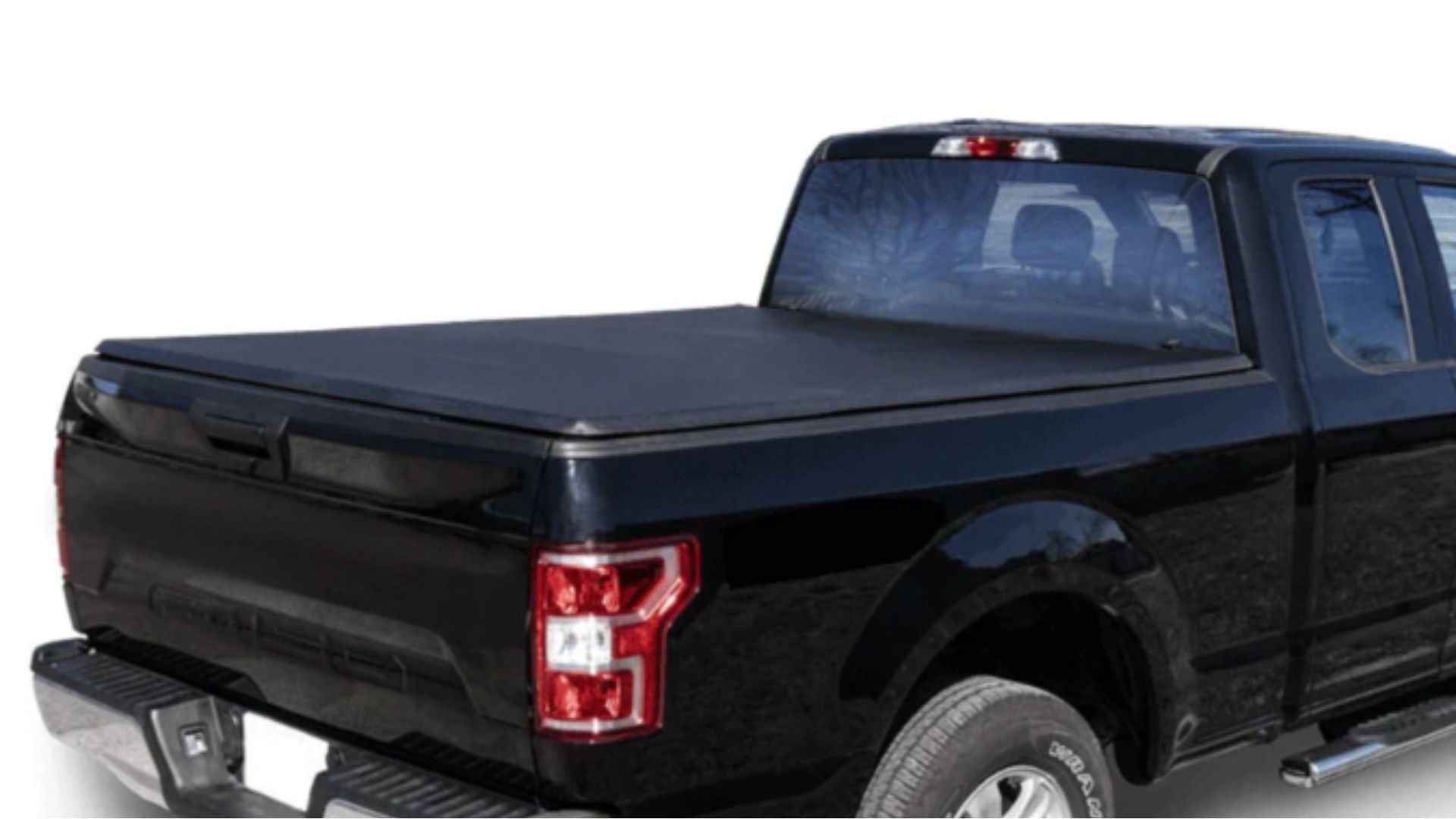
A hard tonneau cover protects your cargo, but it does not automatically organize it. Without a storage plan, tools slide toward the tailgate, small equipment disappears beneath larger items, and you may still need to unload half the bed to reach something at the front.
The best setup combines the cover with storage that fits underneath it: low-profile toolboxes, swing-out cases, drawer systems, cargo dividers, and weather-resistant bins. The key is to match the storage height, access pattern, and load capacity to the way you use your truck.
Start With the Cover’s Clearance
Before buying storage, measure the space the cover actually leaves available.
Take measurements at:
-
The bed floor.
-
The underside of the closed cover.
-
The front canister, if using a retractable cover.
-
The folded panel stack, if using a folding cover.
-
The side rails and latch hardware.
-
The tailgate opening.
Do not measure only the center of the bed. A storage box may clear the middle of the cover but hit a hinge, rail, latch, or retractable track at the sides.
This is particularly important with drawer systems. Many full-height drawers sit approximately 11–13 inches above the bed floor, while low-profile cargo drawers may be about 4 inches tall. A system that looks suitable in a product photograph may prevent the tonneau cover from closing if you do not check the complete height.
Account for Suspension and Load
The clearance changes slightly when:
-
The truck is parked on uneven ground.
-
The cover flexes under snow or cargo.
-
The storage system is loaded.
-
The bed liner adds thickness.
-
The cover’s seals compress over time.
Leave a small safety margin rather than choosing a storage system that fits with only a few millimetres to spare.
Choose Storage by Access Pattern
The right storage product depends on what you need to reach most often.
For Small Tools: Swing-Out Cases
A swing-out case is useful for hand tools, recovery equipment, first-aid supplies, gloves, and emergency items. It uses space near the bed wall and swings toward the tailgate, so you can access it without climbing into the bed.
The UnderCover SwingCase, for example, is designed to remain accessible with a tonneau cover closed, supports up to 75 pounds, and maintains approximately 3 inches of clearance from the bed side on listed applications.
This is a good option when you want:
-
A separate compartment for small items.
-
Quick access at the tailgate.
-
A lockable case.
-
More floor space for bulky cargo.
-
Compatibility with folding or retractable covers.
It is less suitable for long tools, large power tools, or heavy loads that exceed the case’s rating.
For Daily Tool Access: Sliding Drawers
Slide-out trays and drawers are among the most useful upgrades for tradespeople. Instead of reaching over the tailgate or removing cargo, you pull the storage toward you.
Advantages include:
-
Better visibility of tools.
-
Less bending and climbing.
-
Improved separation between categories.
-
More secure storage under a locked cover.
-
A usable flat deck above the drawers in some designs.
The trade-off is height. Some decked systems use approximately 12 inches of bed height, while low-profile drawer systems may sit around 4 inches high.
Before ordering, check:
-
Drawer height.
-
Usable internal depth.
-
Maximum drawer load.
-
Whether the drawers lock.
-
Whether the cover still opens fully.
-
Whether a wheel-well shape limits usable width.
-
Whether the system works with your bed liner.
DECKED-style systems can offer substantial top-deck capacity, but product-specific fitment matters. One published system listing identifies a 12.2-inch system height and notes compatibility differences between spray-in and drop-in liners.
For Mixed Cargo: Low-Profile Boxes
A low-profile crossover toolbox creates a dedicated compartment at the front of the bed while leaving the main floor open.
This works well for:
-
Hand tools.
-
Fasteners.
-
Straps.
-
Electrical supplies.
-
Small parts.
-
Safety equipment.
The important feature is lid height. A box that sits below the bed rail line is more likely to work with a tonneau cover. The Consumers Guide specifically identifies low-profile UWS crossover boxes as tonneau-compatible because the lid remains below the rail line.
Do not assume every crossover box works beneath a hard cover. Verify:
-
Toolbox height.
-
Lid opening arc.
-
Front-to-back length.
-
Cover rail clearance.
-
Whether the cover needs a toolbox-specific seal kit.
-
Whether the cover can fold or retract without contacting the lid.
Some covers are specifically labeled “toolbox-compatible.” A standard cover designed for an empty bed may not clear an over-the-rail toolbox.
Use Dividers to Stop Cargo Movement
Not every truck needs an expensive drawer system. A good adjustable divider can improve a basic bed dramatically.
A divider can:
-
Keep groceries or boxes against the cab.
-
Prevent tool cases from sliding to the tailgate.
-
Separate dirty equipment from clean cargo.
-
Create a dedicated space for fuel cans or recovery gear.
-
Stop loose items moving during braking and cornering.
For many owners, the most useful arrangement is two adjustable zones:
-
A narrow front zone for items that stay in the bed.
-
A larger rear zone for changing daily cargo.
Cargo bars and nets can create similar zones. One practical storage guide recommends placing a bar near the cab as a backstop and another in the middle of the bed, then using a cargo net attached to factory tie-down points for loose items.
The main advantage of dividers is flexibility. You can remove or reposition them when the cargo changes, unlike a permanent drawer platform.
Combine the Cover With a Slide-Out Platform
A bed slide is different from a drawer system. It usually moves a broad platform toward the tailgate, allowing you to access the full load without climbing into the bed.
This is useful for:
-
Tool cases.
-
Jobsite materials.
-
Camping equipment.
-
Sports gear.
-
Coolers and storage tubs.
-
Heavy items that are difficult to lift over the tailgate.
Some platforms are designed to work beneath a tonneau cover. The BEDSLIDE Classic, for example, is marketed for use under tonneau covers and truck caps, with a broad platform and multiple locking positions.
Measure the combined height of:
-
Bed floor.
-
Slide frame.
-
Storage bins or cases.
-
Cover rails and seals.
Also check the platform’s loaded rating. A slide that supports a large evenly distributed load may have a lower rating when the load is concentrated at the rear while fully extended.
Protect Sensitive Items Inside the Bed
A hard cover improves weather resistance, but the bed is not a climate-controlled compartment.
For electronics, paperwork, cameras, and precision tools:
-
Use gasketed storage cases.
-
Keep cases off the bed floor where water could collect.
-
Add a non-slip mat beneath boxes.
-
Avoid trapping wet equipment under the cover.
-
Separate chemicals and fuel from electrical equipment.
-
Use desiccant packs in sealed cases.
-
Inspect for condensation after large temperature changes.
A cover can stop direct rain while still allowing humidity and fine dust to enter through tailgate or rail gaps. Sealed internal containers provide a second layer of protection.
Organize by Frequency of Use
A common storage mistake is placing the heaviest or least-used items near the tailgate simply because they fit there.
A better layout is:
-
Tailgate area: Frequently used hand tools, straps, gloves, first-aid kit, and small parts.
-
Middle of bed: Daily power tools and medium-size cases.
-
Front of bed: Spare supplies, seasonal equipment, jack accessories, and items used less often.
-
Side compartments: Recovery gear, tie-downs, fluids, and emergency equipment.
-
Top surface: Flat, lightweight cargo that cannot damage the cover.
This arrangement reduces unloading and makes the truck more efficient during a busy day.
For a contractor, the time saved by retrieving a drill or fastener box without unloading the bed can matter more than the storage system’s advertised capacity.
Preserve Usable Bed Height
Storage should improve access without turning the truck bed into a shallow cabinet.
Consider three common layouts:
Maximum Floor Space
Use swing-out cases, low-profile boxes, and dividers.
Best for:
-
Lumber.
-
Sheet goods.
-
Landscaping equipment.
-
Large tool cases.
-
Mixed work cargo.
Maximum Organization
Use drawers or a raised platform.
Best for:
-
Mobile workshops.
-
Service technicians.
-
Owners carrying many small tools.
-
Trucks that rarely carry tall cargo.
Balanced Layout
Use one swing case, a low-profile toolbox, and adjustable dividers.
Best for:
-
General contractors.
-
Recreational users.
-
Owners who switch between work and personal hauling.
-
Short-bed trucks where space is limited.
The balanced approach is often the most practical because it adds organization without permanently sacrificing the bed’s basic utility.
Plan Around the Tonneau Type
Hard Folding Covers
Hard folders usually work well with:
-
Low-profile boxes.
-
Dividers.
-
Swing cases.
-
Short drawer systems.
-
Some raised platforms.
Check the folded-panel stack and whether it blocks the storage lid or rear visibility.
Retractable Covers
Retractable covers may require additional space for the front canister. They often work well with side storage and low drawers, but a toolbox or raised platform may conflict with the canister.
Before ordering, measure:
-
Canister length.
-
Canister height.
-
Track width.
-
Drain-tube route.
-
Storage-system clearance.
One-Piece Hinged Covers
One-piece lids offer limited flexibility. Storage must generally remain below the lid’s closing path, and the lid may not work with tall boxes or racks.
They suit owners who want a secure, enclosed bed and do not regularly carry tall cargo.
Think About Racks and Long Cargo
A hard cover and bed rack can work together, but only when both products are designed for the combination.
Some rack systems mount in T-slots integrated into the cover’s side rails. RealTruck explains that these systems can mount rack components directly to specialized tonneau rails rather than requiring separate drilling into the bed.
Other options include:
-
Low-profile bed bars.
-
Sliding ladder racks.
-
Rack systems that mount between the rails.
-
Cover-specific rack towers.
Avoid assuming that a rack will fit simply because it clears the closed cover. Check whether:
-
The cover can fold or retract with the rack installed.
-
The rack blocks the latches.
-
Long cargo rests on the cover.
-
The cover warranty allows the rack.
-
Dynamic load ratings are sufficient.
One-piece hinged covers are generally poor choices for rack integration, while specialized T-slot covers or low-profile rack systems are designed for that purpose.
Prevent Storage From Damaging the Cover
Storage systems can cause problems when they are too tall, too heavy, or poorly secured.
Avoid:
-
Allowing a box lid to press against the tonneau.
-
Placing sharp corners beneath folding hinges.
-
Letting drawers contact retractable tracks.
-
Loading a platform beyond its rated capacity.
-
Leaving loose items that strike the underside of the cover.
-
Blocking drain tubes with storage equipment.
-
Creating pressure points against the cover’s seals.
After installing storage, close the cover slowly and inspect the entire perimeter. Look for:
-
Uneven seal compression.
-
New rubbing marks.
-
Restricted latch movement.
-
Cover bowing.
-
Contact around the tailgate.
-
Water channels blocked by brackets or bins.
A Practical Storage Setup
For a typical daily-use work truck, a useful starting layout is:
-
One lockable swing-out case for small tools and emergency supplies.
-
One low-profile front toolbox for fasteners and frequently used hand tools.
-
One adjustable divider to stop boxes sliding forward and backward.
-
Two or three gasketed plastic cases for electronics and weather-sensitive items.
-
A cargo net attached to factory tie-down points.
-
{
"@context": "https://schema.org",
"@type": "BlogPosting",
"headline": "Hard Tonneau Cover Storage Solutions: Making Better Use of Your Truck Bed",
"description": "<div>
<div class="flex flex-col">
<div class="flex flex-col gap-4">
<div class="flex flex-col flex-1 min-w-0 gap-5">
<div...",
"image": "https://makemyfriends.com/content/uploads/photos/2026/09/mmf_f0113d6bb7ad536bd92c302f322c1452.jpg",
"author": {
"@type": "Person",
"name": "Bison Tonneau Covers",
"url": "https://makemyfriends.com/bisontonneaucover"
},
"publisher": {
"@type": "Organization",
"name": "MakeMyFriends",
"url": "https://makemyfriends.com"
},
"datePublished": "2026-09-14 08:19:49",
"dateModified": "2026-09-14 08:19:49",
"mainEntityOfPage": {
"@type": "WebPage",
"@id": "https://makemyfriends.com/blogs/42185/Hard-Tonneau-Cover-Storage-Solutions-Making-Better-Use-of-Your"
},
"url": "https://makemyfriends.com/blogs/42185/Hard-Tonneau-Cover-Storage-Solutions-Making-Better-Use-of-Your",
"articleSection": "Other",
"keywords": "tonneau_cover",
"wordCount": "65535",
"commentCount": "",
"interactionStatistic": [{
"@type": "InteractionCounter",
"interactionType": "https://schema.org/CommentAction",
"userInteractionCount": ""
},
{
"@type": "InteractionCounter",
"interactionType": "https://schema.org/ViewAction",
"userInteractionCount": ""
}
]
}

