


Equipment Leasing: A Complete Guide for Businesses
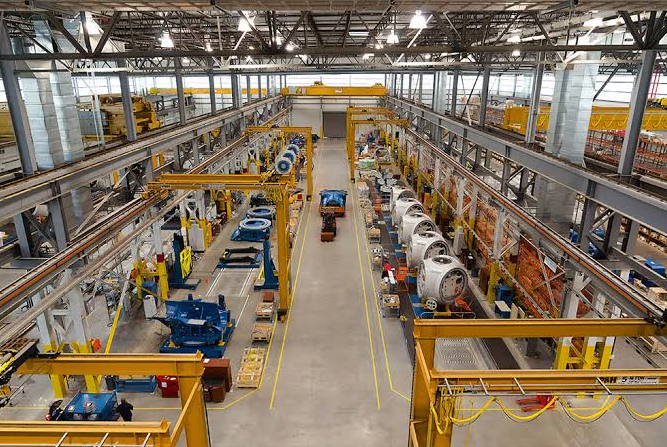
Buying business equipment can require a significant amount of money upfront. For a small business with limited cash flow, spending tens of thousands of dollars on machinery, vehicles, technology, or specialized tools may not always be practical. At the same time, going without essential equipment can slow production, limit growth, and make it harder to compete.
That is where Equipment leasing can become a useful financing option.
Instead of purchasing equipment outright, a business leases the equipment for an agreed period and makes regular payments according to the terms of the lease. Depending on the agreement, the business may return the equipment, renew the lease, or have an option to purchase it when the term ends.
The U.S. Small Business Administration recognizes leasing as one of the ways businesses can acquire the assets and equipment they need, while also noting that every lease can have different terms and costs.
This complete guide explains how Equipment leasing works, its benefits and disadvantages, the different types of leases, and what businesses should consider before signing an agreement.
What Is Equipment Leasing?
Equipment leasing is a financing arrangement in which a business uses equipment for a specific period in exchange for regular payments.
Rather than paying the entire purchase price upfront, the company spreads the cost over the lease term.
The equipment may include:
-
Construction machinery
-
Manufacturing equipment
-
Commercial vehicles
-
Medical equipment
-
Computers and servers
-
Printers and office technology
-
Restaurant equipment
-
Agricultural machinery
-
Specialized tools
-
Warehouse equipment
In many arrangements, the leasing company or financing provider owns the equipment while the business has the right to use it under the lease agreement.
This distinction is important because leasing equipment is not necessarily the same as buying it with a traditional business loan. With financing used to purchase equipment, the business generally becomes the owner. With a lease, ownership may remain with the lessor unless the agreement provides a purchase option or transfers ownership under specific conditions.
How Does Equipment Leasing Work?
The process is usually straightforward, although the exact requirements vary between leasing companies.
1. Determine What Equipment Your Business Needs
Start by identifying the equipment required for your business operations.
Do not begin by asking how much you can afford to lease. Instead, determine what equipment will actually generate value.
For example, a construction company may need an excavator to complete larger projects. A restaurant may need commercial refrigeration equipment. A medical practice may need diagnostic technology.
The equipment should solve a specific operational problem or create a measurable business benefit.
2. Apply for a Lease
After identifying the equipment, the business applies for financing or leasing.
The provider may review factors such as:
-
Business credit
-
Personal credit
-
Revenue
-
Time in business
-
Existing debts
-
Cash flow
-
Bank statements
-
Business plans
-
The value and type of equipment
A stronger financial profile may help a business qualify for more favorable terms.
3. Review the Lease Terms
If approved, the leasing provider presents an agreement.
This document is extremely important. Businesses should review the payment amount, lease duration, interest or financing charges where applicable, fees, maintenance responsibilities, insurance requirements, and end-of-term options.
The lowest monthly payment does not always mean the lowest overall cost.
4. Receive and Use the Equipment
Once the agreement is finalized, the equipment is purchased or supplied through the appropriate provider and delivered to the business.
The company then uses the equipment while making the scheduled lease payments.
5. Decide What Happens at the End
The final step depends on the lease structure.
Possible outcomes may include:
-
Returning the equipment
-
Renewing the lease
-
Purchasing the equipment
-
Replacing it with newer equipment
-
Continuing under a different agreement
Your contract should clearly explain these options before you sign.
Types of Equipment Leasing
Not all leases work the same way. Understanding the basic structures can help you compare offers more effectively.
Operating Lease
An operating lease is generally structured more like renting equipment for a specific period.
It can be attractive when a business expects to replace equipment regularly rather than keep it permanently.
This structure may make sense for technology that becomes outdated quickly, such as computers, printers, or certain specialized systems.
However, accounting treatment depends on the applicable accounting rules and the specific agreement. Businesses should consult an accountant rather than assuming that a particular lease receives a specific tax or accounting treatment.
Finance or Capital Lease
A finance lease is structured more like financing the acquisition of an asset.
It may be appropriate when a business expects to use the equipment for a long period or potentially acquire ownership.
The SBA explains that capital leases can function more like purchases, with the asset and related obligations reflected in the company's financial statements under applicable accounting treatment.
Fair Market Value Lease
A fair market value lease may provide several choices at the end of the agreement.
Depending on the contract, the business may return the equipment, renew the lease, or purchase the equipment at its fair market value.
This structure can be useful for businesses that want flexibility and do not necessarily want to own equipment permanently.
$1 Purchase Option Lease
A $1 purchase option lease generally allows the business to purchase the equipment for a nominal amount at the end of the lease if all applicable conditions are met.
Monthly payments may be higher than under some fair market value structures because the arrangement is designed around eventual ownership.
The exact financial and tax consequences depend on the agreement and the business's circumstances.
Benefits of Equipment Leasing
Equipment leasing can provide several advantages for businesses, particularly companies that need expensive assets without making a large upfront purchase.
Lower Initial Cash Requirement
One of the most obvious advantages is that leasing can reduce the amount of cash needed at the beginning.
Instead of paying the full equipment price immediately, the business makes scheduled payments.
This can leave more working capital available for payroll, inventory, marketing, rent, and other operating expenses.
Access to Necessary Equipment
Leasing can allow a company to obtain equipment that might otherwise be difficult to purchase outright.
This can be particularly valuable for newer businesses or companies experiencing rapid growth.
Easier Budget Planning
Regular payments can make equipment expenses more predictable.
A business can incorporate the payment into its monthly or quarterly budget rather than dealing with one large purchase.
Access to Newer Technology
Some industries rely on equipment that becomes outdated quickly.
A leasing arrangement may allow a company to replace equipment more frequently instead of continuing to use an aging asset.
Potential Maintenance Benefits
Some lease agreements include maintenance or service arrangements.
This can reduce the administrative burden of arranging repairs, although businesses should carefully review what is and is not included.
Disadvantages of Equipment Leasing
Leasing is not automatically cheaper than buying.
Higher Long-Term Cost
Over the entire term, a lease may cost more than purchasing equipment outright.
Businesses should compare the total expected payments, fees, and end-of-term costs rather than focusing only on the monthly payment. The SBA similarly notes that leasing can have a higher lifetime cost than buying.
You May Not Own the Equipment
Depending on the lease, the equipment may remain the property of the lessor.
If ownership is important to your business, carefully review the purchase option and end-of-term provisions.
Early Termination Can Be Expensive
Ending a lease before its scheduled completion may result in penalties or other financial obligations.
For this reason, businesses should avoid signing a long lease simply because the monthly payment looks affordable.
Contract Restrictions
Some agreements may include restrictions concerning equipment use, maintenance, relocation, insurance, or modifications.
Read these requirements carefully before committing.
Equipment Leasing vs. Buying
The right choice depends on your financial position, equipment requirements, and long-term plans.
Buying may make more sense when:
-
You have sufficient cash available
-
You expect to use the equipment for many years
-
Ownership is important
-
The equipment is unlikely to become obsolete quickly
-
You want greater control over the asset
Leasing may be more attractive when:
-
You want to preserve working capital
-
The equipment is expensive
-
Technology changes rapidly
-
You need equipment immediately
-
You want predictable periodic payments
-
You prefer flexibility at the end of the term
The SBA recommends considering factors such as upfront cash requirements, maintenance, tax considerations, lease terms, and the expected lifetime of the equipment when deciding whether to lease or buy.
How Much Does Equipment Leasing Cost?
There is no single price for Equipment leasing.
The cost depends on several factors, including:
-
Equipment purchase price
-
Lease duration
-
Business credit
-
Down payment
-
Interest or financing rate
-
Equipment type
-
Residual value
-
Fees
-
Maintenance requirements
-
End-of-lease purchase terms
For example, leasing a $10,000 piece of office equipment will generally have a very different payment structure from leasing a $250,000 industrial machine.
Do not evaluate a lease solely by asking, "What is the monthly payment?"
Instead, calculate the estimated total cost over the entire agreement.
Tips for Choosing an Equipment Lease
Compare Multiple Offers
Do not automatically accept the first offer you receive.
Compare payment amounts, lease length, fees, purchase options, and other conditions.
The SBA specifically recommends comparing rates, terms, fees, and options when evaluating equipment financing providers.
Understand the End-of-Lease Terms
Ask exactly what happens when the lease ends.
Can you buy the equipment? If so, at what price? Must you return it? Can you renew the agreement?
These details can significantly affect the total value of the deal.
Consider Your Equipment's Useful Life
A five-year lease may not make sense for equipment that becomes obsolete in two years.
Likewise, a short lease may create unnecessarily high payments for equipment that you expect to use for a decade.
Match the lease term to the expected useful life and business value of the equipment.
Check Maintenance Responsibilities
Determine who is responsible for repairs, servicing, replacement parts, and routine maintenance.
A low monthly payment may become less attractive if the business is responsible for expensive maintenance.
Review Insurance Requirements
Some lessors require businesses to maintain specific insurance coverage on leased equipment.
Make sure you understand these obligations before signing.
Consult Financial Professionals
Lease accounting and tax treatment can be complicated.
Before entering into a significant agreement, consider having a qualified accountant or attorney review the terms, particularly if the equipment represents a major financial commitment.
When Is Equipment Leasing a Good Choice?
Equipment leasing can be a strong option when a business needs equipment but wants to preserve cash and maintain flexibility.
Consider a growing landscaping company that needs several commercial machines to accept larger contracts. Buying everything at once could consume a substantial portion of its working capital.
Leasing may allow the company to obtain the equipment while spreading payments over time.
However, the company should first estimate whether the additional equipment will generate enough revenue or cost savings to justify the lease payments.
This is where a basic cost-benefit analysis becomes useful. Businesses should compare expected additional revenue or savings against the total cost of acquiring and operating the equipment. The SBA recommends using cost-benefit analysis when evaluating business decisions involving recurring and nonrecurring costs.
Common Mistakes to Avoid
One common mistake is choosing a lease solely because it has a low monthly payment.
Another is failing to understand the purchase option at the end of the agreement.
Businesses should also avoid overlooking fees, maintenance obligations, insurance requirements, and early termination penalties.
Finally, do not lease equipment simply because financing is available. The equipment should have a clear business purpose and provide enough value to justify its cost.
Conclusion
Equipment leasing can give businesses access to essential machinery, technology, vehicles, and other assets without requiring the full purchase price upfront. For companies focused on protecting cash flow, expanding operations, or keeping up with changing technology, leasing can be a flexible alternative to buying.
However, leasing is not automatically the best choice for every business. The total cost, lease structure, ownership options, maintenance responsibilities, tax considerations, and end-of-term requirements all deserve careful attention.
Before signing an agreement, determine exactly what equipment your business needs, estimate the financial benefit it can generate, compare multiple offers, and read every lease provision carefully. A lease should support your business strategy rather than create an unnecessary financial burden.
When carefully structured and matched to the company's goals, Equipment leasing can be a practical way to acquire the assets needed to operate efficiently, manage cash flow, and support long-term business growth.

