


Laser Cleaning Machine Transform Modern Surface Preparation and Industrial Maintenance
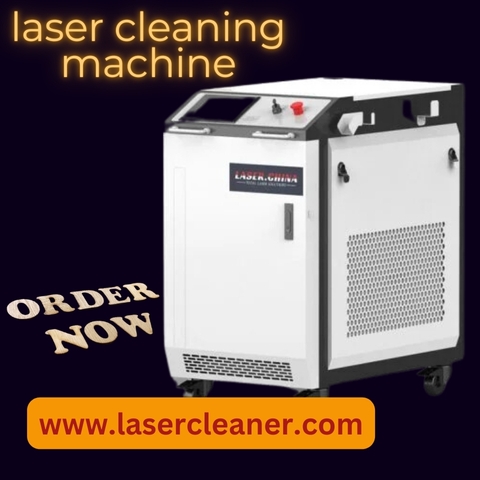
Industrial surface preparation plays an important role in manufacturing, restoration, maintenance, and repair. Removing rust, paint, oil, oxidation, dirt, and other unwanted materials from a surface can often require considerable time and effort. Traditional cleaning methods may involve abrasive materials, chemical solutions, or extensive manual work. As industries look for more controlled and efficient processes, laser technology has become an increasingly useful option.
A laser cleaning machine provides a modern approach to surface treatment by directing concentrated laser energy toward unwanted contaminants. The process can be used on many types of materials and in different industrial environments, depending on the machine configuration and application. From metal fabrication workshops to automotive maintenance and restoration projects, laser cleaning technology is becoming part of modern production workflows.
What Is a Laser Cleaning Machine?
A laser cleaning machine is an industrial system designed to remove unwanted substances from a material surface using laser energy. Instead of relying primarily on physical contact, the machine directs a controlled laser beam onto the area that needs treatment.
When the laser interacts with contaminants such as rust, paint, grease, or oxidation, the unwanted material absorbs the laser energy and is separated from the underlying surface. Proper adjustment of laser parameters allows operators to work according to the type of material, contaminant, and required cleaning result.
Different systems are available for different applications. Some are designed for detailed work on small components, while others are built for larger industrial surfaces. Portable and handheld configurations are also commonly used when operators need greater flexibility during maintenance or on-site work.
How Does Laser Cleaning Work?
The basic laser cleaning process involves directing a laser beam across the contaminated surface. The energy interacts primarily with the unwanted layer, causing it to break apart, vaporize, or detach from the substrate.
The operator controls the cleaning process by selecting appropriate parameters for the application. Factors such as laser power, scanning speed, frequency, focal position, and surface condition can influence the final result.
For example, heavily rusted steel may require different settings from painted aluminum or an industrial component covered with oil. Careful parameter selection helps maintain control over the treatment area and reduces unnecessary interaction with the base material.
This controlled approach makes laser cleaning suitable for applications where precision is important.
Where Is Laser Cleaning Used?
A laser cleaning machine can be used across many industries. Metalworking is one of the most common areas because manufacturers frequently need to remove rust, oxidation, paint, and other surface contaminants.
In automotive production and repair, laser systems can be used for cleaning components before welding, coating, or other manufacturing processes. They can also be used during restoration work where surface preparation requires careful handling.
In manufacturing facilities, laser cleaning can be integrated into maintenance procedures for machinery, tools, molds, and industrial components. Removing accumulated contaminants can prepare surfaces for further processing or inspection.
The technology is also relevant to shipbuilding, aerospace, construction equipment, railway maintenance, and general fabrication. The exact suitability depends on the material, contamination type, required cleaning level, and machine specifications.
Laser Rust Removal for Metal Surfaces
Rust removal is one of the most recognizable applications of laser cleaning technology. Conventional rust removal can involve grinding, blasting, or chemical treatment. A laser-based process provides another method for treating oxidized metal surfaces.
When the laser is correctly configured, rust and oxidation can be targeted while the operator moves the beam across the affected area. This can be particularly useful for metal parts that require a controlled cleaning process before welding, painting, coating, or inspection.
A laser cleaning machine can be configured for different rust-removal applications, including steel components, machinery parts, fabricated structures, tools, and equipment.
Removing Paint and Coatings
Paint removal is another important industrial application. Before repainting or repairing a component, old coatings may need to be removed from selected areas.
Laser cleaning can be used to process painted metal surfaces without requiring direct mechanical contact. Operators can work across specific sections and adjust the cleaning parameters according to the coating and substrate.
This makes the technology relevant to industrial refurbishment, equipment maintenance, automotive restoration, and manufacturing operations where old coatings must be removed before another treatment.
Cleaning Before Welding
Surface preparation is particularly important before welding. Rust, oil, oxidation, paint, and other contaminants can interfere with the preparation of a welding area.
A laser cleaning system can be used to prepare selected surfaces before welding by removing unwanted layers from the target area. Handheld systems can be especially practical when components have different shapes or when the operator needs to move around a large workpiece.
For workshops handling frequent welding jobs, integrating laser cleaning into the preparation stage can create a more organized workflow.
Cleaning Molds, Tools, and Industrial Components
Industrial molds and tools can collect residue during repeated production cycles. Accumulated material may eventually require cleaning before the equipment can be returned to service.
Laser technology can be applied to selected mold and tool-cleaning tasks where controlled surface treatment is required. Because the process does not depend on abrasive contact in the same way as conventional mechanical methods, it can be considered for components where surface condition is important.
Manufacturers should select suitable laser parameters according to the material and contamination before carrying out production-scale cleaning.
Portable Laser Cleaning Machine Applications
A portable laser cleaning machine can be useful when cleaning cannot be performed conveniently at a fixed workstation. Handheld designs allow operators to move the cleaning head around large components, machinery, structures, and difficult-to-reach areas.
Portable systems can be used in workshops, factories, maintenance facilities, and certain field-service environments. Their practical application depends on the machine's power, configuration, working distance, mobility, and safety requirements.
When selecting a portable system, users should consider the size and type of surfaces they regularly clean rather than choosing equipment based only on laser power.
Choosing the Right Laser Cleaning Machine
Selecting suitable equipment requires understanding the intended application. The first consideration should be the material being cleaned. Steel, stainless steel, aluminum, and other materials can respond differently to laser treatment.
The type and thickness of contamination are also important. Rust, paint, oil, carbon deposits, and oxidation may require different operating parameters.
Users should also consider the working environment, cleaning area, operating frequency, portability requirements, available power, and required production capacity.
For businesses purchasing equipment for regular industrial use, discussing the application with a qualified laser equipment supplier can help identify an appropriate configuration.
Safe and Controlled Operation
Laser equipment requires responsible operation. Industrial laser systems can involve high-energy beams, so operators should follow the manufacturer's instructions and applicable workplace safety requirements.
The working area should be properly controlled, and appropriate protective equipment should be used according to the laser classification and application. Operators should also receive suitable training before using industrial laser equipment.
Proper ventilation and fume extraction may be necessary because removing paint, coatings, oil, or other contaminants can produce particles or fumes. Safety procedures should always be established according to the specific cleaning material and workplace conditions.
Maintenance and Long-Term Use
Regular maintenance helps keep a laser cleaning system operating consistently. Operators should follow the manufacturer's recommended inspection and maintenance schedule.
Important areas may include the laser source, optical components, cooling system, electrical connections, cleaning head, and other machine components. Keeping the working environment clean and following operating instructions can also support reliable performance.
Before purchasing equipment, businesses should consider the availability of technical support, spare parts, training, and after-sales service.
The Future of Industrial Surface Cleaning
As manufacturing processes continue to develop, industries are increasingly looking for controlled and precise methods of surface preparation. Laser cleaning technology is becoming part of this changing industrial landscape.
The ability to target specific surface contaminants makes laser systems suitable for a wide range of applications. Continued development in laser sources, machine controls, automation, and portable equipment is expanding the possible uses of this technology.
Final Thoughts
A laser cleaning machine offers a modern method for treating rust, paint, oxidation, oil, and other unwanted surface materials. Its applications extend across metal fabrication, automotive work, manufacturing, maintenance, restoration, welding preparation, and industrial equipment cleaning.

