


Can a Laser Rust Removal Tool Transform Modern Surface Cleaning
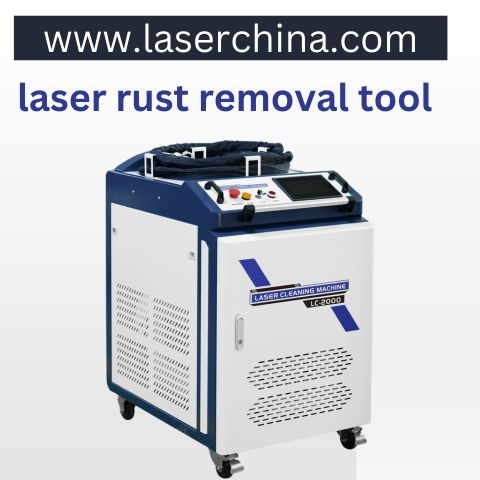
Rust can quickly change the appearance and condition of metal surfaces. From industrial machinery and automotive components to tools, molds, and fabricated parts, oxidation can become a persistent maintenance challenge. Traditional cleaning methods often involve abrasive materials, chemicals, or extensive manual work. Modern laser technology offers another approach by using controlled laser energy to remove unwanted rust and surface contaminants.
A laser rust removal tool is designed to clean oxidized metal surfaces with precision. Instead of relying on physical abrasion, the laser beam interacts with the unwanted material and helps separate rust, paint residue, dirt, and other contaminants from the underlying surface. This technology is increasingly being considered for workshops, manufacturing facilities, restoration projects, and industrial maintenance.
What Is a Laser Rust Removal Tool?
A laser rust removal tool is a specialized cleaning system that uses concentrated laser energy to remove rust and other unwanted layers from metal. The equipment directs a controlled beam toward the contaminated surface. When the laser energy interacts with the rust, the unwanted layer can be removed while the operator controls the cleaning parameters according to the material and application.
Different systems are available for different working environments. Some are designed for stationary industrial applications, while handheld versions provide greater flexibility when cleaning large equipment, irregular components, or areas that are difficult to position under conventional cleaning equipment.
The technology can be used on materials such as steel, iron, stainless steel, and various metal components, provided that suitable laser settings are selected for the particular surface.
How Does Laser Rust Removal Work?
The basic process involves directing a laser beam over the rusty area. Rust and other contaminants absorb laser energy differently from the underlying material. With appropriate power, pulse duration, scanning speed, and frequency, the unwanted layer can be loosened and removed from the surface.
The operator generally moves the laser across the affected area using controlled passes. Depending on the equipment, the system may use pulsed or continuous-wave laser technology. Pulsed systems are commonly used where precise removal and controlled heat input are important.
Proper parameter selection is essential. Excessive laser energy can potentially affect the base material, while insufficient energy may not remove the contamination effectively. Professional operation therefore requires an understanding of the material, contamination thickness, laser power, and desired cleaning result.
Where Can a Laser Rust Removal Tool Be Used?
Laser rust cleaning has applications across many industries. Manufacturing facilities can use laser systems to prepare metal components before welding, coating, painting, or further processing. Maintenance teams can also use them to clean machinery and equipment affected by oxidation.
Automotive workshops may use laser cleaning for engine components, metal tools, brake components, molds, and restoration work. In fabrication environments, the technology can assist with preparing surfaces before welding or finishing.
It can also be useful for restoring metal structures, industrial parts, architectural components, and older equipment. Because the laser can be directed precisely, operators can work on selected areas without necessarily treating the entire component.
Industrial Metal Cleaning Applications
Industrial equipment can accumulate rust when exposed to moisture, chemicals, temperature changes, or demanding operating conditions. If corrosion is not addressed, it can interfere with maintenance and surface treatment.
A laser rust removal tool provides a controlled method for treating affected areas. Operators can clean metal parts before applying protective coatings or carrying out repair work. Cleaning the surface properly helps create a more suitable foundation for subsequent industrial processes.
Laser cleaning can also be incorporated into maintenance procedures where repeatable surface preparation is required. With appropriate settings and trained operators, cleaning parameters can be adjusted for different contamination levels and component types.
Laser Rust Removal for Automotive Restoration
Automotive restoration frequently involves old metal parts covered with rust, oxidation, paint, grease, and accumulated dirt. Conventional mechanical cleaning can require considerable manual effort and may remove or alter the original surface.
Laser cleaning provides a precise approach for treating selected sections of a component. Restoration professionals can work carefully around edges, corners, welds, and detailed areas.
For classic vehicles and specialized components, controlled cleaning can be particularly useful because the operator can concentrate the cleaning process on contaminated areas. Before treating valuable or delicate parts, testing on a small inconspicuous section is recommended to establish appropriate settings.
Preparing Metal Before Welding and Painting
Surface preparation is an important stage before welding, painting, coating, or bonding. Rust, oxidation, grease, and other contaminants can interfere with the consistency of a subsequent process.
A laser rust removal tool can be used to clean selected surfaces before fabrication or finishing. Removing unwanted contamination can provide a cleaner working area for welding and improve preparation before protective coatings are applied.
For manufacturers, integrating surface cleaning into the production workflow can help establish a consistent preparation procedure. The appropriate cleaning method will depend on the material, contamination, production requirements, and required surface condition.
Choosing the Appropriate Laser Cleaning System
Selecting a laser cleaning machine requires consideration of the intended application. Laser power is one important factor, but it should not be the only consideration. The type and thickness of rust, size of the component, required cleaning speed, working distance, and operating environment should also be evaluated.
A handheld system may be suitable for workshops and applications where operators need to move around large components. A stationary or automated system may be more appropriate for repetitive manufacturing processes.
The laser source, scanning system, control interface, cooling arrangement, and available cleaning modes should also be reviewed before purchasing equipment. A supplier with experience in industrial laser cleaning can help determine the appropriate configuration.
Safety During Laser Rust Removal
Laser cleaning equipment must be operated with appropriate safety procedures. Industrial laser systems can present serious eye and skin hazards if they are used incorrectly.
Operators should follow the manufacturer's safety instructions and use appropriate protective equipment. The work area should be controlled according to the laser system's classification and operating requirements. Proper ventilation or fume extraction may also be necessary because removing rust, paint, coatings, or other contaminants can produce particles and fumes.
Training is important because safe operation involves more than simply pointing the laser at a surface. Operators should understand the equipment controls, cleaning parameters, work area requirements, and emergency procedures.
Maintaining Consistent Cleaning Results
Consistent results depend on several factors. Operators should inspect the material before cleaning and identify the type of contamination present. Testing different settings on a small area can help determine a suitable combination of power, frequency, scanning speed, and focus.
The laser head should also be maintained according to the manufacturer's instructions. Optical components and other system parts should be inspected regularly. Keeping the equipment clean and properly maintained helps support reliable operation.
Documentation of successful settings can also be useful in professional workshops. When similar components need to be cleaned repeatedly, recorded parameters can provide a starting point for future work.
Why Businesses Are Exploring Laser Cleaning
A laser rust removal tool can be particularly relevant for businesses handling machinery maintenance, metal fabrication, automotive restoration, industrial repair, and component preparation. Its ability to target specific contaminated areas makes it suitable for applications where controlled cleaning is important.
Businesses considering this technology should evaluate their actual cleaning requirements rather than choosing equipment based only on laser power. The right system should match the materials, contamination, production environment, and expected workload.
Final Thoughts
Rust removal is an important part of maintaining metal components, machinery, tools, and fabricated products. Laser technology provides a modern approach that uses controlled energy to treat unwanted surface contamination with precision.
A laser rust removal tool can be used across industrial maintenance, automotive restoration, manufacturing, fabrication, and surface preparation applications. Selecting the right equipment, establishing suitable operating parameters, and following proper safety procedures are essential for achieving reliable results.

