


Modern Technology for Reliable Clothing Assembly
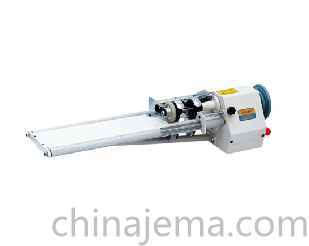
Buttons may be small components, but they contribute significantly to the functionality and appearance of many garments. Shirts, coats, uniforms, dresses, workwear, children's clothing, and fashion products all depend on secure fastening during everyday use. Within this manufacturing process, button attachment connects individual components with the fabric structure, making accurate positioning, material compatibility, and consistent handling important considerations for apparel manufacturers.
The materials used for buttons can vary widely. Plastic, resin, metal, wood, shell, and other engineered materials may be selected according to garment design and application. Fabrics also range from lightweight woven textiles to denim, wool, synthetic blends, technical fabrics, and stretch materials. These combinations behave differently during processing. A fastening system therefore needs to account for both the button and the textile rather than treating the operation as a uniform process for every product.
Automation can help manufacturers manage repeated fastening operations with greater consistency. Manual work requires operators to repeatedly position fabric and components, which can become demanding during long production cycles. Variations in working rhythm and experience may also affect positioning. Automated equipment can organize repetitive actions into a structured workflow, helping production teams reduce unnecessary manual movement while maintaining appropriate supervision.
Positioning is one of the most important aspects of fastening. Buttons need to correspond with their matching openings or other components so that the garment can function as intended. Consistent placement also contributes to visual balance, particularly on shirts, coats, uniforms, and fashion garments where button lines are clearly visible. Controlled processing can help manufacturers reduce adjustments during later sewing or inspection stages.
Material behavior also affects the fastening process. Lightweight fabrics may require careful support to avoid deformation, while thick materials can create different mechanical demands. Stretch fabrics can move when tension is applied, which may influence positioning if the material is not properly controlled. Understanding these differences allows manufacturers to create more suitable production workflows and maintain a better relationship between material characteristics and fastening technology.
For consumers, fastening quality is closely related to everyday comfort. People expect buttons to remain secure while being easy to operate. A well-positioned button allows garments to open and close naturally and can support freedom of movement. Although consumers may never consider the machinery behind the process, reliable fastening contributes to their overall perception of comfort, practicality, and product quality.
Buttons can also serve an important design function. Their shape, finish, color, texture, and material may become part of a garment's visual identity. Some products use buttons as subtle functional elements, while others make them a distinctive decorative feature. Manufacturing technology must therefore support both technical consistency and the design requirements established by apparel brands and product developers.
JEMA focuses on textile machinery designed around practical production environments. Fastening operations rarely exist independently; they can be connected with fabric preparation, sewing, inspection, finishing, and packaging. When these stages are organized effectively, manufacturers can reduce unnecessary handling and establish a more predictable flow of materials and finished garments through the factory.
Production flexibility is increasingly important in the apparel industry. Manufacturers may work with different garment styles, button types, fabric structures, and order quantities. A flexible automation strategy can help businesses respond to changing product requirements without relying entirely on repetitive manual processing. This adaptability is particularly useful when factories serve several apparel categories or manage frequent design changes.
Sustainability is another consideration in modern textile production. Better process control can reduce rework and avoidable material waste caused by inconsistent fastening operations. Efficient workflows can also support more responsible use of labor and production resources. In addition, reliable garment construction may contribute to longer product usability, which is increasingly relevant to manufacturers considering durability and responsible production.
Human involvement remains essential even in automated environments. Workers still need to load materials, configure equipment, monitor operations, inspect finished products, and perform maintenance. Well-designed machinery can reduce repetitive physical tasks while allowing employees to concentrate on supervision and quality-related activities. This combination of automation and human judgment creates a practical approach to modern garment manufacturing.
As apparel production becomes increasingly automated, button attachment represents a connection between material technology, fastening function, garment design, and consumer comfort. Manufacturers looking to improve their textile production workflows can explore JEMA's equipment and solutions at https://www.chinajema.com/product/ when considering modern approaches to garment fastening and automated apparel assembly.

