


Why Hydromulch Is a Smart Choice for Erosion Control in North Texas
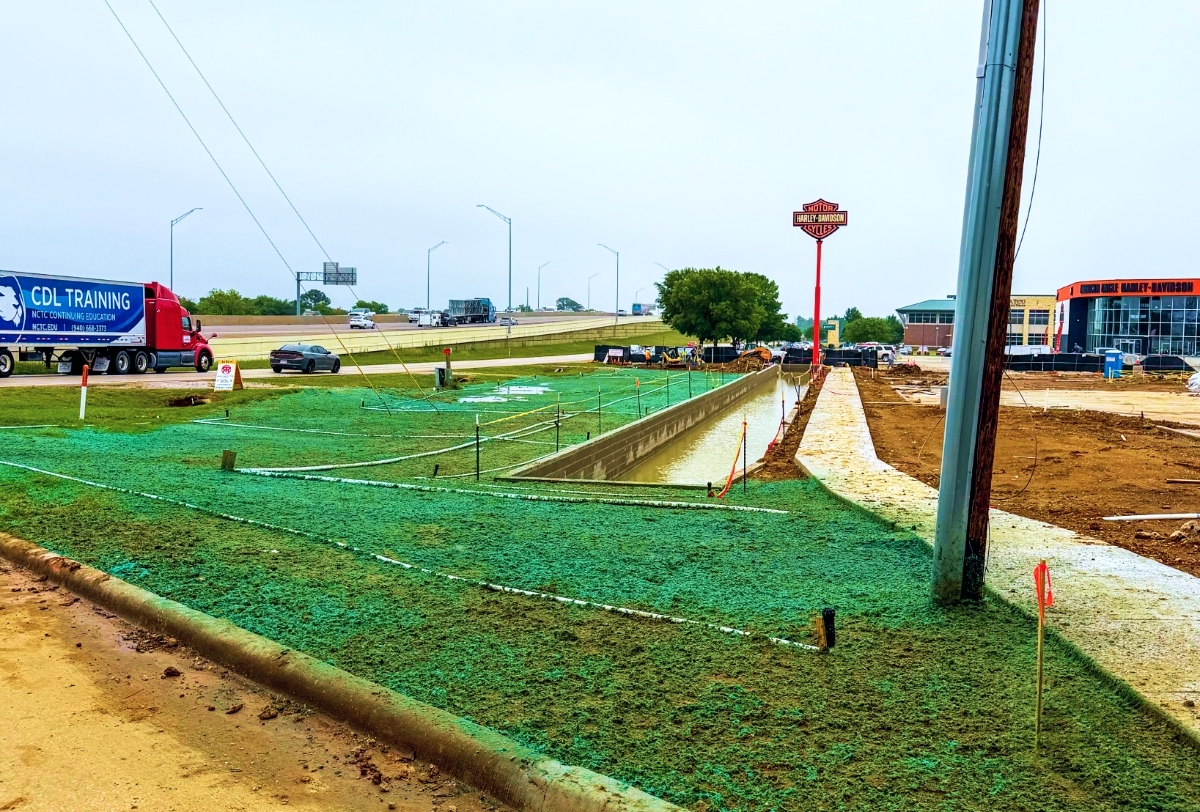
North Texas properties can face significant erosion challenges when soil is left exposed after construction, grading, excavation, landscaping, or vegetation loss. Heavy rainfall can create runoff across bare ground, while hot temperatures and dry winds can increase moisture loss and leave loose soil vulnerable. Hydromulch provides a spray-applied layer of fiber and water that can temporarily protect disturbed soil while supporting conditions for vegetation establishment. Texas A&M Forest Service describes hydromulching as a treatment that creates temporary soil cover, reduces raindrop impact, helps bind loose soil, and improves soil water retention.
For homeowners, builders, property managers, and land developers, erosion control is about more than maintaining an attractive landscape. Uncontrolled erosion can remove valuable topsoil, expose roots, create drainage problems, and carry sediment into surrounding areas. Hydromulch can be incorporated into a broader erosion-management strategy when site conditions are appropriate. However, its effectiveness depends on proper preparation, suitable application, slope conditions, weather, and follow-up care.
What Is Hydromulch?
Hydromulch is a slurry that typically combines water with fiber mulch and may include a tackifier to help the material adhere to the soil surface. The mixture is sprayed over exposed ground, creating a temporary protective layer across the treated area. According to Texas A&M Forest Service, hydromulching can help reduce the impact of rainfall, protect soil from overland flow and wind, and improve water retention.
The application process makes Hydromulch North Texas particularly useful for areas where manually spreading conventional mulch would be difficult or inefficient. Spray equipment can distribute the material across broad areas and certain uneven surfaces with relatively consistent coverage. Depending on the project, hydromulch may be applied as part of a revegetation plan or as a temporary soil-protection measure. Property owners should confirm exactly what materials are included because hydromulch and hydroseeding are not always identical services.
Why North Texas Properties Need Erosion Protection
North Texas landscapes can experience a combination of environmental conditions that make exposed soil difficult to manage. Heavy storms can produce concentrated runoff, while prolonged heat can dry the upper soil layer and make newly disturbed ground more vulnerable. Construction and grading can further increase the risk by removing established vegetation that previously helped hold soil in place. Once that protective vegetation is gone, rainfall can directly strike and move exposed soil.
Slope and soil characteristics also influence erosion risk. TxDOT notes that increasing slope can increase the potential for sheet erosion and that soil type and slope should be considered when selecting temporary erosion-control measures. Its guidance also identifies hydraulically applied mulches as one type of temporary surface-protection material.
How Hydromulch Helps Control Erosion
One of the primary benefits of hydromulch is that it provides immediate temporary surface coverage after application. Instead of leaving bare soil exposed directly to rainfall, the fiber layer helps reduce the force of raindrops reaching the ground. This can reduce surface disturbance and help limit the movement of loose particles. Texas A&M Forest Service specifically identifies reduced raindrop impact and protection against overland flows and wind as purposes of hydromulching.
Hydromulch can also help retain moisture near the soil surface. This is useful when vegetation establishment is part of the larger erosion-control plan because developing plants need suitable moisture during early growth. Texas A&M AgriLife Extension notes that mulch can reduce moisture loss and help protect soil from erosion. As vegetation becomes established, plant roots can provide longer-term stabilization, reducing reliance on temporary surface protection.
Supporting Vegetation Establishment
Erosion control and vegetation establishment often work together. A healthy stand of vegetation can provide longer-term protection because roots help hold soil in place and above-ground growth reduces the amount of bare surface exposed to weather. TxDOT identifies good-quality vegetation as the best long-term solution to potential erosion, while temporary materials such as mulch can provide surface protection while vegetation develops.
Hydromulch may be used alongside seed when the project requires new vegetation. When seed is incorporated into the slurry for revegetation, Texas A&M Forest Service refers to the treatment as hydroseeding. This distinction is important for property owners because a mulch-only application is not necessarily intended to create a new lawn. Before work begins, the contractor should clearly explain whether the project includes seed, what vegetation is being established, and what maintenance will be required afterward.
Hydromulch for Construction and Landscaping Projects
Construction sites are among the situations where hydromulch can be particularly useful. Grading and excavation often leave large areas of bare soil exposed while other portions of the project continue to develop. Applying temporary surface protection can help manage erosion during this transitional period. Commercial developments, residential construction, road improvements, landscape renovations, and other disturbed sites may all require different erosion-control approaches based on their soil and terrain.
Property managers and contractors should consider hydromulch as part of the complete site-management plan rather than treating it as an isolated service. Drainage patterns, slopes, soil type, rainfall exposure, access, and the timing of future construction work can all influence the appropriate treatment. TxDOT guidance emphasizes that erosion-control material selection should account for soil and slope conditions.
Hydromulch North Texas and Seasonal Conditions
Hydromulch North Texas projects should be planned around the property's conditions and the intended purpose of the application. A project designed solely to provide temporary soil protection may have different scheduling considerations from one that also includes grass establishment. Weather forecasts, soil moisture, site accessibility, expected rainfall, and future construction activities should all be reviewed before application. Proper timing can reduce the risk of newly applied material being disturbed before it has had an opportunity to perform its intended function.
North Texas heat also makes moisture management important. Unprotected soil can lose water quickly under hot and windy conditions, while mulch can help reduce surface moisture loss. Texas A&M AgriLife Extension identifies moisture conservation as an important benefit of mulching in Texas environments. If seed is included, irrigation requirements should be established in advance so developing vegetation receives adequate moisture without excessive runoff.
When Hydromulch May Not Be Enough
Hydromulch can be useful for temporary surface protection, but it is not appropriate to assume that it can solve every erosion problem. Texas A&M Forest Service notes that hydromulching may be less effective on long slopes where runoff becomes concentrated and channelized, potentially carrying sediment and mulch downslope. Properties with steep slopes, concentrated drainage, or highly erosive conditions may require additional erosion-control measures.
Depending on the site, additional solutions can include grading improvements, drainage channels, erosion-control blankets, permanent vegetation, channel protection, or other engineered measures. TxDOT likewise notes that highly erodible channels may require more permanent protection than basic surface mulch. A qualified professional should evaluate the entire property before determining whether hydromulch can meet the project's erosion-control requirements.
Choosing a Hydroseeding Company Near Me
When searching for a hydroseeding company near me, property owners should first determine whether they need hydromulch, hydroseeding, or another erosion-control treatment. A knowledgeable contractor should be able to explain the difference between these services and recommend an approach based on the property's actual conditions. Questions about soil preparation, slope, drainage, seed selection, mulch type, application rates, and post-application care can help clarify the proposed scope of work.
Experience with North Texas properties can also be valuable because local soil and weather conditions can affect erosion-control planning. Property owners should request a detailed estimate that identifies preparation, materials, application, and any follow-up services included in the project. Rather than focusing only on the spraying process, it is useful to consider how the treatment fits into the property's broader landscape and erosion-management plan.
Maintaining the Property After Application
Hydromulch provides temporary protection, so the property should continue to be monitored after installation. Significant rainfall can expose weaknesses in drainage or cause concentrated runoff to move material from vulnerable areas. Property owners should inspect slopes, low areas, drainage paths, and other locations after major storms. Promptly addressing displaced material or developing erosion channels can help prevent small problems from becoming larger ones.
If vegetation is being established, irrigation and maintenance become equally important. Newly seeded areas should receive appropriate moisture while seedlings develop, but excessive irrigation can itself produce runoff. As vegetation matures, its roots can provide increasingly important long-term soil stabilization. The ultimate objective should be to transition from temporary surface protection toward a stable, well-vegetated landscape wherever site conditions allow.
Making Hydromulch Part of an Erosion-Control Plan
Hydromulch can be a practical tool for protecting disturbed soil in North Texas, particularly when rainfall, wind, heat, and exposed surfaces create erosion concerns. Its ability to create temporary surface coverage, reduce raindrop impact, retain moisture, and support vegetation establishment makes it useful across a range of residential, commercial, and construction settings. However, the appropriate application depends on site-specific conditions rather than a universal formula.
For property owners considering Hydromulch North Texas services, the most important step is to evaluate the entire site before choosing a treatment. Soil type, slope, drainage, vegetation goals, weather, and future property use should all be considered. When hydromulch is properly selected and incorporated into a broader erosion-control strategy, it can help protect vulnerable ground while vegetation develops into a more durable long-term solution. With professional planning and consistent follow-up care, temporary protection can become an important part of creating a healthier and more stable landscape.

